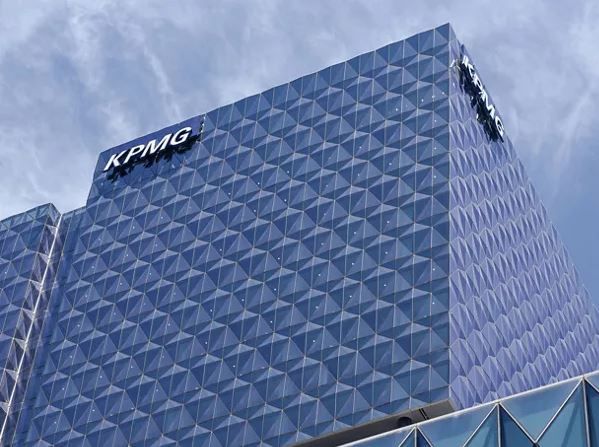
The Australian arm of global accounting firm KPMG is undergoing significant leadership upheaval following a damaging scandal centred on the alleged misuse of client confidential information. On Tuesday, the firm announced that Chairman Martin Sheppard would step down, along with audit partners Paul Rogers and Eileen Hoggett, marking a dramatic escalation in the fallout from misconduct allegations that have already claimed the firm's chief executive and audit chief.
These latest resignations underscore the severity of the breach of trust at one of the world's "Big Four" accounting firms. Interim CEO Stan Stavros characterised the departures as "necessary and immediate" steps, acknowledging that the organisation had fallen short of its professional obligations. His statement reflected a recognition that the scandal had inflicted considerable damage not only on the whistleblower who exposed the wrongdoing but also on staff morale, client relationships, and KPMG's standing within the broader Australian business community.
The core allegations centre on KPMG's handling of confidential board documents obtained from Lendlease, a major Australian real estate company. According to the whistleblower's account, the firm improperly leveraged sensitive information from these papers to bolster its competitive bids when pursuing lucrative audit contracts. This constitutes a fundamental breach of the fiduciary duty and confidentiality obligations that professional service firms owe to their clients, and represents a serious conflict of interest that undermines the integrity of the audit process itself.
Rogers and Hoggett were specifically identified by the whistleblower as the lead partners responsible for overseeing KPMG's audit engagement with Lendlease, and they are allegedly the individuals most directly implicated in the improper use of confidential materials. The allegations emerged publicly in March, triggering formal scrutiny from Australia's corporate regulator, the Australian Securities and Investments Commission (ASIC). Both partners now face regulatory investigation, a process that could result in professional sanctions, fines, or even loss of their audit credentials.
The sequence of departures reveals the depth of internal pressure and reputational damage the firm is managing. The earlier resignation of the CEO and head of the audit division signalled that the scandal had reached the highest echelons of the organisation's governance. The addition of the chairman to that list, followed by two directly implicated partners, suggests KPMG is attempting a swift and visible reckoning with its failings. However, such measures also prompt questions about whether these personnel changes represent genuine accountability or merely an attempt to contain the crisis by removing the most publicly exposed figures.
For the wider professional services sector in the Asia-Pacific region, and particularly for Malaysia's business community, this scandal carries significant implications. KPMG maintains a substantial presence across Southeast Asia, including in Malaysia, where it advises multinational corporations, government entities, and local businesses on audit and compliance matters. The Australian scandal erodes confidence in the firm's ability to protect client confidentiality and maintain professional standards, concerns that will inevitably extend to its operations in other jurisdictions.
The governance reforms announced by KPMG Australia are intended to address systemic vulnerabilities that enabled the misconduct to occur. The firm has committed to appointing an independent chairman and expanding the proportion of independent directors on its Australian board. These structural changes aim to introduce greater oversight and reduce the concentration of decision-making authority among partners with conflicts of interest. However, governance reforms are typically longer-term measures, whereas the reputational harm inflicted by a confidentiality breach is often immediate and persistent.
The broader context here involves the regulatory environment governing audit firms globally. Professional bodies and securities regulators have long struggled to ensure that audit firms maintain independence and objectivity, given the inherent tensions between the audit function and other advisory services that generate higher profit margins. The Lendlease incident demonstrates that these structural conflicts remain inadequately addressed, even within one of the world's most prominent professional service organisations.
For Malaysian clients and regulators, the episode underscores the importance of scrutinising audit firms' internal control mechanisms and governance practices. When engaging global professional service providers, organisations should seek clarity on the firm's safeguards for protecting confidential information and the mechanisms in place to prevent conflicts of interest. The incident also reinforces the value of whistleblower protections and reporting channels, which in this case enabled the exposure of misconduct that might otherwise have remained concealed.
As KPMG Australia navigates the aftermath of this scandal, the firm faces a challenging period of regulatory engagement with ASIC and the need to rebuild trust with current and prospective clients. The resignation of senior leadership provides an opportunity to reset expectations and implement substantive changes to the firm's culture and practices. However, the credibility of these efforts will ultimately depend on whether the reforms produce measurable changes in how the firm operates and whether accountability extends appropriately throughout the organisation.

