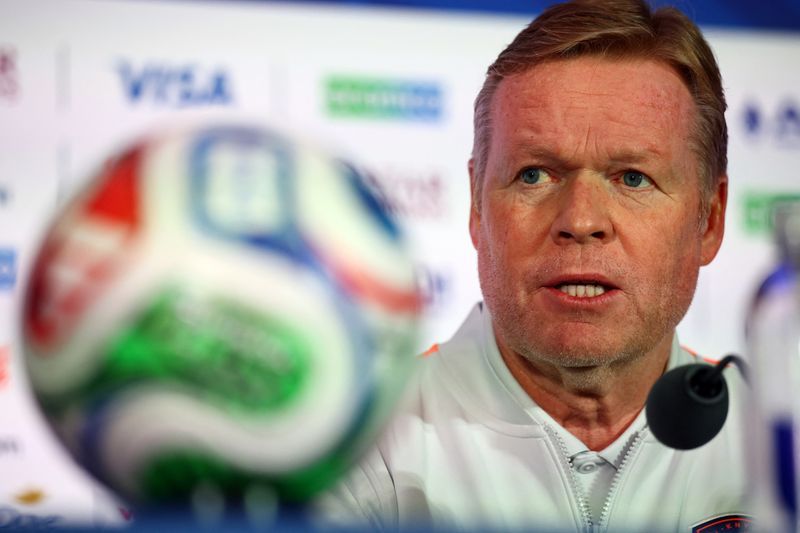
Netherlands coach Ronald Koeman has committed to a sharper approach from the bench when his team faces Sweden in a Group F World Cup encounter on Saturday, acknowledging that his substitution decisions during the opening fixture against Japan failed to achieve the intended effect on the pitch. Speaking at a press conference in Houston on Friday, the Dutch tactician accepted full accountability for the team's inability to capitalise on the changes he made, signalling a more deliberate strategy for the crucial encounter ahead.
The Dutch side's campaign got off to a frustrating start with a 2-2 stalemate against Japan, a result that exposed vulnerabilities in their setup and raised serious questions about Koeman's decision-making. Most significantly, the coach reverted to a more conservative defensive shape during the match, a tactical pivot that ultimately backfired when Japan equalised in the 89th minute. This late concession proved particularly costly given the team's superior experience and quality, prompting reflection on what went wrong in that opening assignment and how the squad can correct course moving forward.
Koeman's analysis of the Japan match centred on his belief that the Netherlands should have maintained a higher pressing game throughout the ninety minutes. He made clear to his staff that this intensity and aggression were missing from their performance, and that the players had failed to execute the pressing blueprint he had intended. Rather than deflect blame, the coach took direct responsibility for these shortcomings, acknowledging that his in-game management had not delivered the positive impact he sought. This willingness to admit fault publicly demonstrates Koeman's awareness that tactical discipline and substitution timing are critical factors in knockout football at the World Cup level.
The Sweden challenge presents a stern test of the Netherlands' ability to bounce back, particularly given the attacking prowess on display by the Scandinavian side in their opening encounter. Viktor Gyokeres and Alexander Isak, Sweden's primary offensive threats, both found the net in a dominant 5-1 victory over Tunisia, combining for multiple goals whilst creating numerous additional opportunities throughout that match. The performance indicated a Swedish team hitting form at precisely the moment the tournament reaches its competitive stage, prompting Koeman to warn his squad about the dual danger these two attackers represent.
Whilst acknowledging Gyokeres and Isak's impressive tournament debut, Koeman cautioned that fixating exclusively on the attacking pair would be a strategic error. Sweden's collective strength runs deeper than their headline strikers, with pace, physical robustness, and clinical finishing evident across their entire setup. The coach recognised that a comprehensive defensive approach would be necessary, one that accounts for threats emanating from multiple areas of the pitch rather than concentrating narrowly on marking their two principal scorers. This broader awareness suggests Koeman has learned from the Japan setback and plans a more nuanced tactical response.
The Netherlands will face this contest without Quinten Timber, who has been ruled out following a concussion sustained in a collision with a teammate during training or the Japan match. Additionally, influential midfielder Frenkie de Jong is managing a stomach issue that raises questions about his availability and full fitness going forward. These absences in midfield and defence represent notable losses in terms of both experience and quality, forcing Koeman to reshape his eleven and adapt his tactical approach accordingly.
Memphis Depay, the Netherlands' all-time leading goalscorer, looms as a central figure in Koeman's plans to unlock the Sweden defence. The attacker has recently been dealing with thigh injuries that limited his impact during the Japan game, where he appeared as a substitute but failed to make a significant impression on proceedings. Koeman expressed confidence in Depay's ability to provide added value when called upon, emphasising the forward's quality and experience at the highest level. The coach's faith in the veteran striker suggests he may feature more prominently from the start or receive extended minutes off the bench depending on how the match unfolds.
The psychological dimension of Saturday's encounter cannot be overlooked, as both teams will be keen to establish momentum after their opening fixtures. For the Netherlands, a second unconvincing performance would place genuine pressure on their qualification hopes and raise serious doubts about their campaign trajectory. Sweden, by contrast, will seek to maintain their winning form and establish themselves as genuine group contenders. In this context, Koeman's emphasis on learning from mistakes and implementing tactical corrections carries significant weight, suggesting a team intent on demonstration rather than mere platitude.
The coach's public acknowledgment of responsibility for the Japan performance also sends a message to his playing squad that accountability runs from the top down. Rather than seeking scapegoats or pointing fingers at individual players, Koeman has positioned himself as the architect of change, a stance that should reinforce confidence within the squad that management errors will not be repeated. Against a resurgent Sweden side containing two clinical finishers in excellent form, such clarity of purpose and tactical coherence could prove the difference between progression and premature elimination from the tournament.

