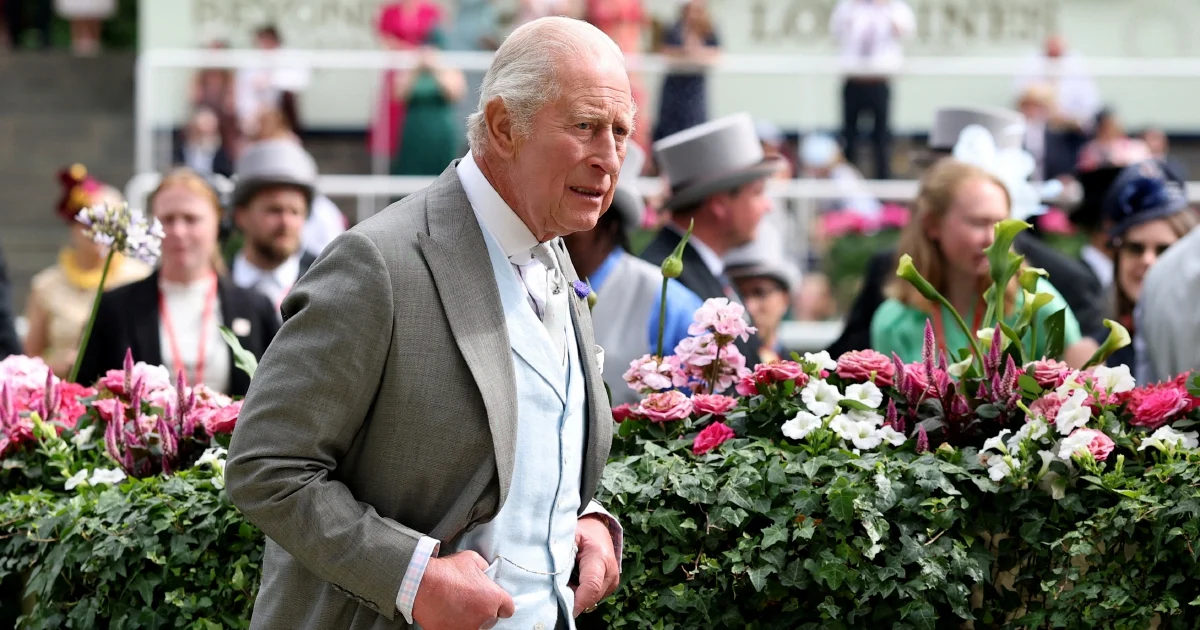
King Charles III is taking the step of making public his personal tax payment details, Buckingham Palace announced to British media outlets over the weekend, in a move intended to strengthen public confidence in the transparency of royal finances at a time when scrutiny of the institution's wealth and spending has intensified.
The decision to voluntarily reveal the monarch's tax obligations represents a significant departure from royal tradition. For generations, the British Crown has operated under a veil of financial privacy, with detailed information about personal wealth rarely disclosed to ordinary citizens. This shift reflects growing pressure from the public, media, and political commentators who have increasingly questioned the extent and nature of royal assets, particularly as ordinary Britons face economic pressures and higher tax burdens themselves.
The monarchy's finances have long been a complex matter, involving both the Sovereign Grant—taxpayer funding provided by Parliament—and separate personal income derived from the Duchy of Cornwall, a vast estate portfolio. King Charles's willingness to lay bare his personal tax situation demonstrates an understanding that modern governance demands accountability, especially for institutions that rely on public goodwill and taxpayer support to function. By opening this window into his finances, the palace appears to be attempting to demonstrate that the royal family operates within the same legal and ethical frameworks as its subjects.
This announcement comes amid a broader global movement toward institutional transparency. Wealthy individuals and high-net-worth families face increasing pressure to disclose their financial arrangements, tax positions, and philanthropic contributions. The royal family, as one of the world's wealthiest institutions with influence extending across the Commonwealth, has not been immune to this trend. The move signals that even monarchs understand the contemporary expectation for fiscal openness, particularly when their position and privileges are ultimately underwritten by taxpayers.
For Malaysian and Southeast Asian observers, the development carries particular significance. Commonwealth nations, including Malaysia, maintain varying degrees of formal or ceremonial relationships with the British Crown. Public confidence in the monarchy's integrity and fiscal responsibility resonates across the Commonwealth realm. When major Commonwealth institutions demonstrate commitment to transparency, it influences perceptions of governance standards and democratic accountability throughout the region, setting benchmarks for how traditional institutions adapt to modern demands.
The palace's strategic timing in this announcement deserves scrutiny. By proactively releasing this information rather than being forced to disclose it through investigation or legal pressure, the monarchy controls the narrative and demonstrates cooperative governance. This approach contrasts sharply with scenarios where institutions resist transparency demands until compelled by external pressure, a dynamic that often generates greater public cynicism and suspicion.
The actual contents of King Charles's tax bill will likely reveal significant details about his income sources, deductions, and charitable giving. The monarch's personal wealth portfolio extends beyond the Duchy of Cornwall and includes numerous investments and properties held in private capacity. Understanding the tax treatment of such complex holdings will provide unprecedented insight into how royal finances are structured and managed, information that has long remained opaque to public view.
This move also raises important questions about the balance between personal privacy and public accountability. While there are legitimate arguments for maintaining confidentiality around an individual's finances, monarchs occupy an exceptional position in society. They are not ordinary citizens but constitutional figures whose institutional role is inextricably linked to taxpayer support and public endorsement. The revelation of tax information must therefore be weighed against these unique circumstances rather than evaluated purely as a matter of personal privacy rights.
For the monarchy's relationship with Parliament and the public, this disclosure offers an opportunity to address longstanding questions about whether the institution pays its fair share of taxation and whether it receives any special tax privileges or exemptions compared to ordinary citizens or wealthy families. The transparency could either reinforce public confidence or, depending on the findings, generate fresh controversy regarding wealth concentration and fiscal fairness at the highest levels of society.
The announcement also reflects King Charles's personal approach to kingship. Throughout his decades as Prince of Wales, he cultivated an image as a thoughtful, reform-minded figure concerned with contemporary challenges including sustainability, governance, and social responsibility. Now as monarch, his willingness to embrace financial transparency aligns with this established persona and suggests a determination to modernise the institution while preserving its essential character and constitutional role.
Looking forward, this disclosure will likely establish a precedent for royal financial openness. Future monarchs may face expectations to maintain similar transparency standards, normalising public access to information that previous generations regarded as strictly private. This gradual shift toward institutional accountability reflects broader societal expectations that even centuries-old institutions must adapt to contemporary democratic norms.
The palace's initiative represents a calculated response to changing social attitudes rather than a sudden conversion to radical transparency. By controlling the pace and presentation of disclosure, the monarchy maintains agency while accommodating public demands. Whether this approach ultimately satisfies critics or generates new questions about the extent and nature of royal privilege will become clear once the tax information is published and subjected to public and media analysis.

