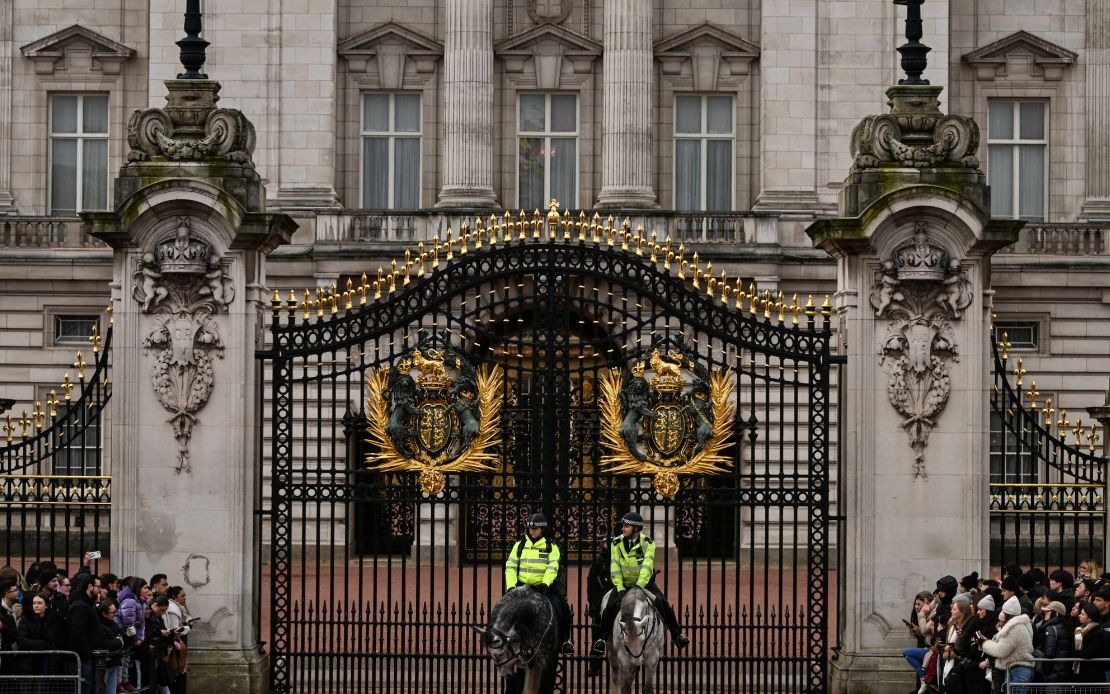
King Charles III and Queen Camilla have made clear that Buckingham Palace will serve as the ceremonial heart of the British monarchy following the completion of its extensive refurbishment programme, the Royal Household confirmed this week. The 775-room London palace will continue hosting official ceremonies, state receptions, and public functions, but will not become the royal couple's private residence, according to an official statement on royal finances released on Thursday. This decision underscores a strategic pivot in how the institution utilises its most iconic building, balancing the demands of state protocol with the practical realities of maintaining a sprawling heritage asset.
The commitment to retain Buckingham Palace's ceremonial function reflects its irreplaceable role in British constitutional life. As the formal workplace of the Royal Household and the backdrop for major state occasions, the palace remains essential to the monarchy's public functions. The Royal Household's vision extends beyond ceremonial use, encompassing the palace's evolution as a national heritage destination that offers expanded public access to visitors. This approach transforms what might otherwise become an underutilised monument into a dynamic institution serving both diplomatic and cultural purposes.
The Buckingham Palace Reservicing Programme, now entering its final year after nearly a decade of intensive work, represents one of the most significant maintenance undertakings in the palace's 300-year history. The 10-year project has involved comprehensive modernisation of the building's infrastructure, including electrical systems, plumbing, heating, and environmental controls. Such undertakings are essential to preserve the palace's structural integrity and ensure it remains functional for its demanding ceremonial role for generations to come. The scale and complexity of the refurbishment underscore the substantial investment the monarchy dedicates to maintaining its institutional symbols.
Recent figures illuminate the palace's remarkable activity levels and public engagement. During the 2025-2026 financial year, the Royal Household reported that nearly 97,000 guests attended 827 events across various royal residences, demonstrating the extensive ceremonial calendar that demands constant availability and accessibility. Buckingham Palace would account for a significant portion of these gatherings, hosting everything from diplomatic receptions to cultural events and state banquets. This volume of activity justifies the continued investment in the building's preservation and modernisation, as it serves as the physical embodiment of the monarchy's official functions.
The financial commitment to royal palaces has expanded accordingly. The Sovereign Grant, which provides public funding for the monarch's official duties and the maintenance of occupied royal residences, increased to £132.1 million in the 2025-2026 financial year. Of this sum, £67.5 million was specifically allocated toward preserving and protecting occupied royal palaces, reflecting the substantial costs associated with maintaining these heritage properties. For Malaysian readers familiar with discussions about royal finances and institutional spending, these figures provide context for understanding how constitutional monarchies allocate public resources to support ceremonial and diplomatic functions.
The decision to maintain Buckingham Palace as a ceremonial centre rather than a royal residence aligns with contemporary thinking about heritage management and institutional efficiency. King Charles III and Queen Camilla will reside elsewhere, a practical arrangement that allows for more focused management of the palace's public and diplomatic functions. This separation of residential and ceremonial functions also enables more consistent access to state rooms and ceremonial spaces, supporting the broader vision of the palace as a living institution rather than a private dwelling. The arrangement reflects evolving approaches to balancing heritage preservation with accessibility and public benefit.
For Commonwealth nations including Malaysia, Buckingham Palace remains a symbol of shared institutional heritage and constitutional tradition. The palace serves as the headquarters for the Commonwealth Secretariat's connection to the monarch as Head of the Commonwealth, making its effective functioning relevant to the broader Commonwealth family. The commitment to preserve and enhance the palace's role in state ceremonies affirms the monarchy's continued investment in the ceremonial and diplomatic functions that bind Commonwealth nations together. Understanding how Britain's monarchy adapts its institutions to modern requirements offers comparative insights into how other Commonwealth realms approach their own heritage preservation challenges.
The refurbishment completion also signals the conclusion of a major period of disruption and transition for royal operations. With the project now in its final stages, the Royal Household can focus on establishing new operational patterns that maximise the palace's utility for state functions while maintaining appropriate public access. The timing of this completion coincides with the maturation of King Charles III's reign and his establishment of priorities for how the monarchy conducts its constitutional and ceremonial responsibilities. The palace's future configuration will reflect these priorities for years to come.
Looking forward, the distinction between Buckingham Palace's ceremonial function and the royal family's residential arrangements represents a deliberate institutional choice with implications for heritage management and public engagement. By positioning the palace primarily as a ceremonial and cultural asset rather than a private residence, the Royal Household acknowledges the building's historical significance and its value to the nation as a whole. This approach potentially increases visitor access during periods when ceremonial functions are not scheduled, thereby enhancing the palace's contribution to British culture and heritage tourism. The model exemplifies how modern monarchical institutions balance tradition, functionality, and public benefit.

