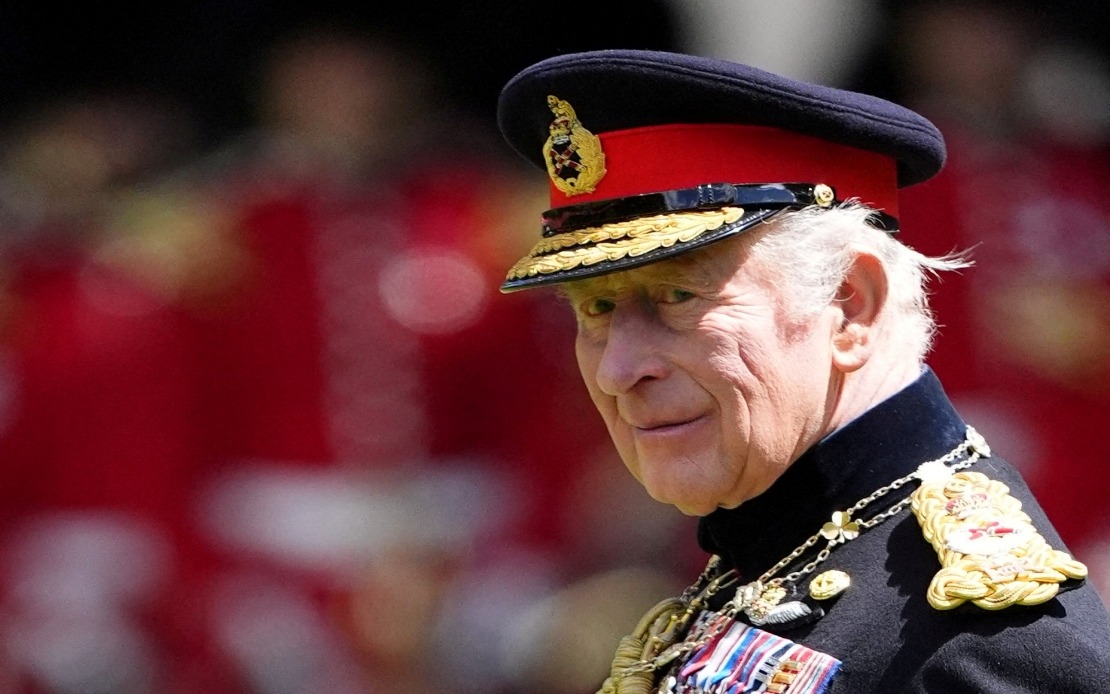
King Charles III has shattered centuries of royal precedent by becoming the first British sovereign to openly disclose his personal tax payment, marking a significant shift in the monarchy's approach to financial transparency. Buckingham Palace announced on Thursday that the monarch paid £12.9 million in the 2024-2025 tax year, representing a substantial increase from the £11.7 million he contributed during the preceding financial period. Since his accession to the throne in September 2022, Charles's total tax contributions have surpassed £30 million, a figure that underscores the scale of royal finances and the financial obligations the Crown now voluntarily assumes.
The release of these figures represents a watershed moment in British constitutional history, as no reigning monarch has previously made such personal financial disclosures public. This decision emerges from the Royal Household's broader commitment to enhancing transparency surrounding how the monarchy is funded and operated. The disclosure accompanied the publication of a comprehensive new document detailing the various sources through which the royal finances flow, offering a clearer picture of how the institution manages its considerable resources. For Malaysian readers familiar with discussions about institutional accountability and governance, this development reflects growing expectations that even the most traditional institutions must adapt to contemporary standards of openness.
The king's personal income derives from multiple streams, including returns on his personal investment portfolio and revenue generated by his privately owned estates at Balmoral in Scotland and Sandringham in Norfolk. These income sources fund his private expenses and personal household costs, distinguishing them from public funding mechanisms that support the broader operations of the monarchy. The arrangement creates a clear demarcation between Charles's private finances and the public funds allocated to the Crown through the Sovereign Grant, which finances state-related duties and official functions. This separation reflects a long-established principle that the monarch, like other citizens, should maintain personal financial responsibilities alongside the constitutional role.
Under British law, the reigning monarch holds a unique position regarding taxation. Technically, the sovereign is not legally obliged to pay income tax, capital gains tax, or inheritance tax, a longstanding principle rooted in the constitutional doctrine that the Crown is separate from individual persons who occupy the throne. However, this legal exemption has not meant avoidance of financial contribution. Beginning in the 1990s, the monarchy voluntarily entered into arrangements whereby successive monarchs began paying income tax and capital gains tax on a voluntary basis. This shift toward voluntary compliance represented a pivotal moment when the institution chose to align itself with expectations of fiscal responsibility, even though legal obligations did not technically exist.
Charles himself established a precedent for such disclosure during his decades as Prince of Wales, regularly publishing information about his tax contributions as he managed the substantial revenues generated by the Duchy of Cornwall. This prior transparency may have provided a foundation and a public expectation that the practice would continue once he assumed the throne. By extending this practice to his reign as king, Charles demonstrates consistency in his approach to institutional accountability. For observers in Commonwealth nations like Malaysia, which maintain formal ties to the British Crown, such transparency offers reassurance about how the institution manages its resources and operates within frameworks of accountability.
James Chalmers, the keeper of the Privy Purse and the official responsible for royal finances, characterised the disclosure as part of a broader effort to demystify royal financial arrangements. According to Chalmers, while the systems governing royal finances may appear intricate on the surface, the underlying principles remain straightforward, grounded in legal frameworks, and continuously refined to serve the long-term interests of the nation. This framing suggests that complexity in royal finances stems not from opacity or impropriety, but from the legitimate complexity of managing diverse revenue streams, historical estates, and constitutional arrangements that differ fundamentally from ordinary households or commercial enterprises.
The substantial sums disclosed highlight the considerable wealth associated with the British Crown, yet they also demonstrate the financial obligations that accompany the position. At £12.9 million annually, the tax contribution reflects both the scale of royal personal finances and the commitment to maintaining fiscal responsibility. For context, this figure exceeds the annual salary of dozens of government ministers and demonstrates that even voluntary tax payments by the monarchy represent significant contributions to the public treasury. The transparency also counters potential narratives about the Crown avoiding financial obligations, directly confronting any perception that royal privilege extends to systematic tax avoidance.
This development arrives at a moment when public scrutiny of institutional finances has intensified globally. Governments, corporations, and major institutions face increasing pressure to demonstrate accountability and justify their financial operations. The monarchy's decision to voluntarily disclose such information reflects broader societal expectations that even venerable institutions must adapt to contemporary governance standards. Within Malaysia's own context, where debates about government spending and institutional transparency continue, the British Crown's approach offers an instructive example of how traditional institutions can respond to demands for greater openness without fundamentally compromising their constitutional role or cultural significance.
The implications of this disclosure extend beyond Britain's borders, particularly for Commonwealth realms that maintain formal connections to the Crown. Malaysia, as a nation with historical ties to the British monarchy through its Commonwealth membership, may find relevance in how Britain's sovereign navigates questions of institutional transparency. The precedent established by King Charles III suggests that even institutions with centuries of tradition behind them can evolve in response to contemporary expectations regarding financial accountability and public disclosure.
Looking forward, this disclosure may establish expectations that future monarchs will continue publishing such information, effectively making transparency regarding royal tax payments a permanent feature of British governance. The step also positions the British Crown as an institution willing to subject itself to scrutiny and accountability measures, reinforcing the principle that no individual or institution stands above the framework of fiscal responsibility. As other nations grapple with questions about how their own heads of state or governmental institutions should manage finances, the British example provides both a model and a catalyst for wider discussions about institutional transparency in constitutional monarchies and beyond.

