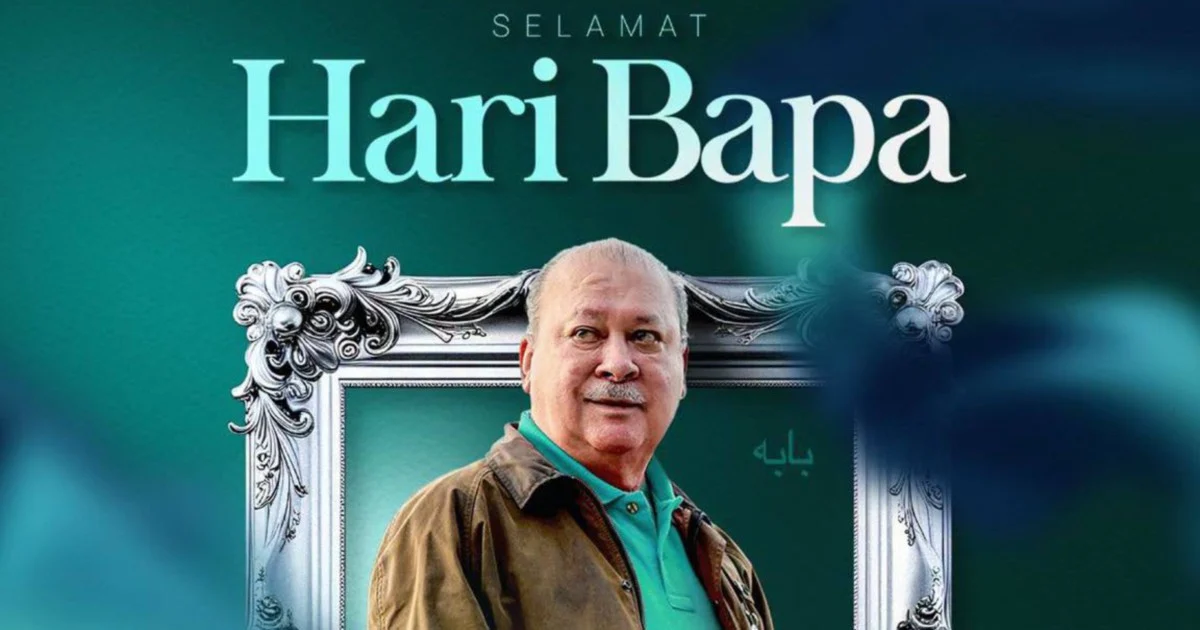
His Majesty Sultan Ibrahim, King of Malaysia, and Her Majesty Raja Zarith Sofiah, Queen of Malaysia, have extended warm greetings to all fathers across the nation in observance of Father's Day, recognising the vital role paternal figures play in shaping families and communities throughout the country.
The royal gesture underscores the significance placed by Malaysia's highest office on acknowledging parental responsibilities and celebrating the bond between fathers and their families. Father's Day observances carry particular cultural weight in Malaysia, where traditional values surrounding family structure and filial respect remain deeply embedded in the social fabric.
Royal messages during significant commemorative occasions serve as important touchstones for national sentiment, setting the tone for broader public discourse around values the monarchy wishes to emphasise. In this instance, the King and Queen's intervention positions fatherhood as a matter worthy of national recognition and royal attention, elevating what might otherwise be a private family celebration to the level of state consciousness.
The timing of such greetings reflects a deliberate pattern wherein Malaysia's constitutional monarchy engages with civil society through symbolic affirmations of shared values. By publicly honouring fathers, the palace signals institutional support for family-centred policies and the social structures that depend upon stable paternal involvement in household life.
In the Malaysian context, Father's Day recognition gains additional resonance given demographic and social trends affecting family dynamics across different communities. Rapid urbanisation, changing economic pressures, and evolving gender roles have all reshaped contemporary fatherhood compared to previous generations, making official acknowledgement particularly pertinent at a moment when family structures face ongoing recalibration.
The Queen's joint participation in the message indicates an inclusive approach that positions fatherhood not as exclusively male domain but as an institution requiring support from all quarters of society. This framing aligns with contemporary discussions about shared parental responsibility and the importance of recognising diverse family configurations, though within Malaysia's predominantly traditional social context.
Royal greetings extended through official channels reach a far broader audience than simple private well-wishes. Media coverage ensures the message penetrates national consciousness, shaping how Father's Day is understood and celebrated across demographic and geographic divides. For many Malaysians, official royal recognition lends gravitas to personal family observances, creating a connection between intimate household celebrations and national ceremonial practice.
The palace's engagement with Father's Day also reflects international patterns wherein constitutional monarchies routinely acknowledge significant civil occasions. This practice has become standardised across Commonwealth nations and similar polities, representing expected performative duties of the state apparatus. Nevertheless, the specific articulation of such messages can vary considerably depending on national priorities and social circumstances.
For Malaysia specifically, where institutional stability and national unity remain paramount concerns following periods of political turbulence, the King and Queen's affirmation of family values projects continuity and constancy. The message implicitly reinforces conservative social ordering whilst acknowledging contemporary realities that necessitate fresh approaches to traditional institutions.
The symbolic weight carried by such greetings extends beyond their immediate scope to encompass broader statements about national character and values. By choosing to emphasise fatherhood and familial bonds, Malaysia's highest office signals commitment to social cohesion rooted in stable family structures, positioning this as foundational to national wellbeing and social progress.
Father's Day celebrations in Malaysia typically occur in June, aligned with international observance practices, though specific dates and emphases may vary across different communities and religious traditions. The royal message thus arrives at a moment when the nation reflects collectively on paternal roles and family dynamics.
The gesture also carries practical implications for public discourse surrounding men's roles in contemporary society. Official recognition legitimises conversations about fatherhood in modern Malaysia, encouraging discussion of how fathers balance traditional expectations with contemporary economic and social realities. Such conversations remain relevant as the nation navigates rapid development and social change.

