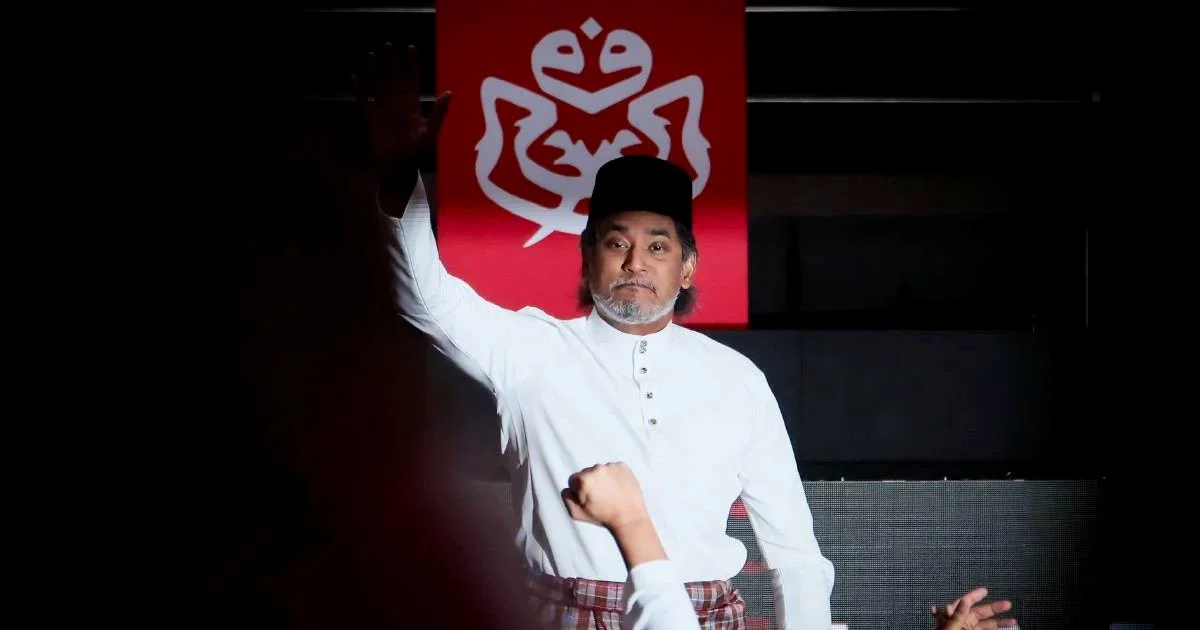
Khairy Jamaluddin, the prominent former member of parliament for Rembau, has chosen to step back from unilaterally deciding his electoral prospects, instead entrusting Umno's senior leadership with the authority to determine whether he should contest in the forthcoming Negri Sembilan state election scheduled for August 1. The move represents a characteristic display of party discipline from the veteran politician, who has long navigated internal Umno dynamics with considerable strategic acumen.
The decision to defer reflects broader complexities within Umno's organisational framework at a time when the party is strategically positioning itself across multiple electoral fronts in Malaysia. Rather than issue a definitive statement about his personal candidacy, Khairy has signalled his readiness to abide by whatever determination the party hierarchy arrives at, effectively removing himself from the public speculation that has swirled around potential candidates for the upcoming state-level contest.
Negri Sembilan represents a significant battleground in Malaysian electoral calculations, holding meaningful symbolic and structural weight within the larger political landscape. The state election carries implications not merely for local governance but also for how the ruling coalition manages its internal balance across different peninsular states. For Umno specifically, candidate selection decisions carry considerable bearing on party morale and the messaging conveyed to grassroots members about meritocratic advancement within the party structure.
Khairy's parliamentary tenure in Rembau established him as a figure capable of maintaining significant electoral appeal in his constituency. His subsequent career trajectory, which has encompassed ministerial portfolios and influential positions within the party machinery, has positioned him as one of the more visible faces of contemporary Umno leadership. However, the shift in electoral focus from a federal parliament seat to a state legislative seat introduces fresh considerations about political calculation and resource allocation.
The delegation of this decision to party leadership serves multiple strategic purposes. It demonstrates that Khairy remains committed to the broader party agenda rather than pursuing individualistic political advancement. Simultaneously, it places Umno's top decision-makers in the position of taking explicit responsibility for candidate selection, ensuring that any resulting choices are clearly attributable to the party hierarchy rather than being presented as the preference of individual aspirants.
Within Malaysian politics, such deference to party authority, while ostensibly representing internal party democracy, often reflects careful considerations about political leverage and positioning. By removing himself from the announcement process, Khairy avoids potential embarrassment should the party hierarchy decide against fielding him as a candidate, whilst simultaneously affirming his loyalty to whatever directive emerges from the higher echelons of Umno's decision-making apparatus.
The Negri Sembilan election assumes particular relevance given the state's demographic composition and its traditional political leanings. The August 1 date positions the contest within a compressed electoral calendar that has seen multiple Malaysian states move towards the polling booths in recent months. For voters in the state, the clarification of candidate lineups will prove essential as the election approaches, and it remains to be seen how quickly Umno's leadership announces its final slate of contenders across the various state constituencies.
Khairy's willingness to accommodate party direction also reflects the operational realities facing Umno as it manages its position within Malaysia's broader political architecture. The party must balance competing interests across numerous constituencies and state assemblies, all whilst maintaining internal cohesion and preventing potential factionalisation around candidate selection disputes. By adopting a posture of flexibility regarding his own candidacy, Khairy provides the party hierarchy with maximum latitude in crafting a candidate list that optimises party performance and manages internal stakeholder expectations.
The forthcoming state election will occur within the context of Malaysia's complex constitutional arrangements governing state governments and the relationship between state and federal power structures. How Umno allocates its resources and personnel across this election will signal something meaningful about the party's strategic priorities and its assessment of winnable seats versus those that might require sacrifice in pursuit of overall coalition success.
As the August 1 election date approaches, Negri Sembilan residents will await formal confirmation of the contenders who will seek their votes. Khairy's deference to party authority serves as a reminder that within Malaysia's political framework, individual political ambitions, however substantial, remain subordinate to institutional party decision-making processes. The ultimate determination regarding his candidacy will emerge from deliberations conducted within Umno's inner circles, away from public view but ultimately consequential for the state's electoral narrative.

