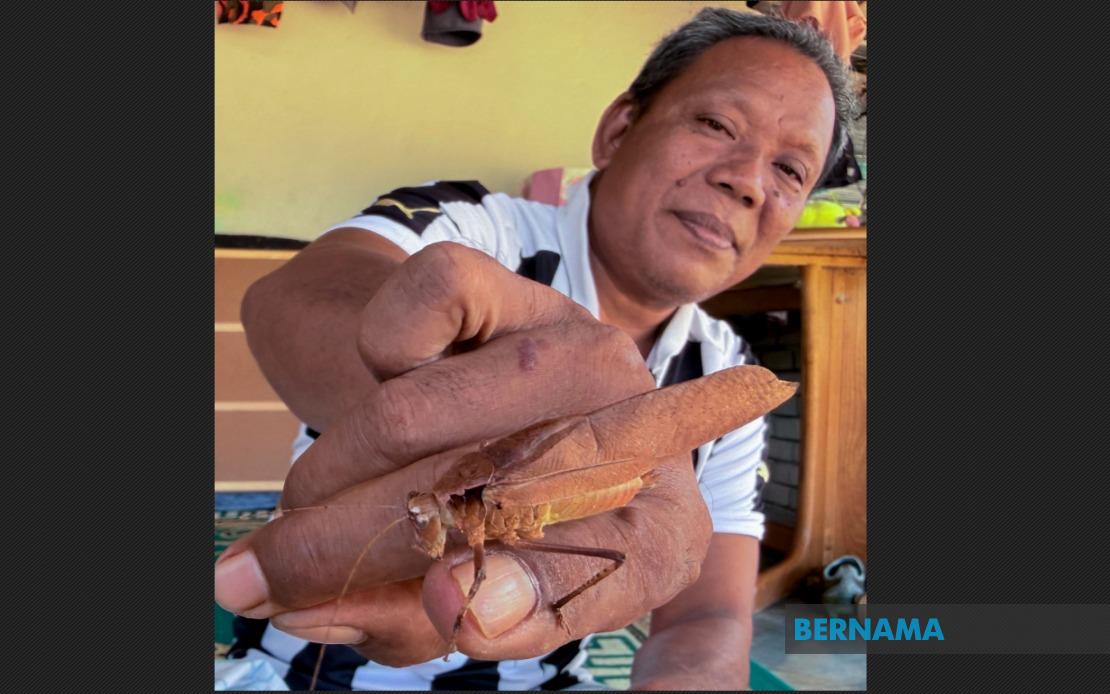
In the small town of Tanah Merah, Kelantan, a centuries-old pastime is experiencing an unexpected revival among the state's younger generation. The sport of belalang kerek—cricket fighting—has emerged as a compelling alternative to screen time and digital entertainment, attracting enthusiasts who value simplicity, tradition, and community engagement over the latest technological gadgets.
The resurgence of this traditional pursuit represents more than mere nostalgia. For many young Kelantanese, belalang kerek offers a tangible escape from the relentless pace of modern life. The sport involves hunting specific grasshopper species, rearing them with care, and then pitting them against each other in competitive matches—a process that demands patience, observation skills, and genuine connection to the natural world. This hands-on engagement stands in stark contrast to the passive consumption of digital content that dominates youth culture across Malaysia and Southeast Asia.
Muhammad Sayuti Mat, a 53-year-old stalwart of the sport from Kampung Manal 3, identifies affordability as the cornerstone of the hobby's growing appeal. Unlike modern leisure activities that demand constant investment in upgrades and new equipment, cricket fighting requires minimal financial outlay. The insects themselves cost virtually nothing to catch, and their care involves basic, inexpensive provisions available in most rural communities. This accessibility proves particularly attractive to young people with limited disposable income, transforming what might otherwise be seen as a quaint relic into a genuinely practical recreational option.
The hunting process itself demands a particular kind of skill and awareness that many young Malaysians rarely develop in today's technology-saturated environment. Muhammad Sayuti explains that these grasshoppers are most effectively located during nighttime hours, when hunters must rely entirely on auditory cues rather than visual search. The creatures nest predominantly in agricultural fields and dense vegetation, particularly among fan palms common throughout Kelantan's rural landscapes. This nocturnal hunting tradition creates an intimate relationship with the local ecosystem, teaching patience and attentiveness in ways that no educational app could replicate.
The acoustic dimension of the sport adds surprising depth to what might appear a simple pastime. The grasshoppers' chirping becomes distinctly louder and more penetrating after sunset, a phenomenon that experienced hunters learn to read and interpret with considerable sophistication. Young participants develop an ear for quality—the timbre, strength, and consistency of a cricket's song become markers of potential competitive success. This auditory literacy represents a form of cultural knowledge transmission that binds participants to their ancestors and regional identity.
Rihduan, another passionate practitioner, articulates the genuine emotional satisfaction derived from the sport. Beyond any monetary reward, participants experience profound gratification from hearing their grasshopper perform well during competitions. The visceral thrill of victory in a match, earned through weeks of careful preparation and training, provides psychological rewards that expensive entertainment alternatives simply cannot match. For many young people seeking authentic experiences and genuine achievement, this represents a counterintuitive but powerful draw.
The tournament structure further democratizes participation. Aidil Md Noor, just 23 years old, highlights that entry fees remain remarkably low, often as little as RM3 per grasshopper per tournament. This pricing makes competitive participation accessible to virtually anyone interested, regardless of socioeconomic background. The straightforward dietary requirements for maintaining healthy grasshoppers compound this affordability advantage, ensuring that ongoing costs remain negligible throughout the season. Such financial accessibility stands in welcome contrast to many modern youth activities that privilege those with greater purchasing power.
The grasshoppers themselves require minimal intervention once their basic needs—typically simple vegetation and water—are provided. This low-maintenance aspect appeals particularly to young people juggling school, work, or family responsibilities. Unlike pets that demand constant attention or hobbies requiring expensive infrastructure, cricket fighting fits naturally into the rhythm of daily life in rural Kelantan. Participants can maintain multiple grasshoppers simultaneously without significant burden, building a small competitive team throughout the season.
Beyond individual gratification, the revival of belalang kerek carries broader cultural significance for Kelantan and Malaysia more generally. In an era when traditional knowledge and practices face pressure from globalization and digital culture, the sport's resurgence among youth demonstrates that younger generations maintain genuine interest in their cultural heritage. This is not mere romantic attachment to the past but rather a pragmatic recognition that traditional practices often embedded superior solutions to modern problems—in this case, offering cost-effective entertainment, stress relief, and community connection.
The phenomenon also reflects evolving attitudes toward technology and consumption among younger Malaysians. While not rejecting modernity entirely, participants recognize the psychological and social costs of constant digital engagement. The decision to pursue belalang kerek represents a conscious choice for analog experience and physical presence. This selective adoption of traditional practices alongside selective engagement with technology may portend broader shifts in how Southeast Asian youth approach leisure and identity.
For Kelantan specifically, the hobby's growth offers economic and social benefits. Tournament participation generates community gatherings that strengthen social bonds across villages. The associated commerce—grasshopper trading, equipment sales, and tournament organization—creates micro-economic activity and informal employment. These ripple effects extend beyond the immediate participants, touching families and broader community networks.
The environmental implications also merit consideration. The hunt for grasshoppers encourages young people to develop detailed knowledge of local ecosystems and seasonal patterns. This ecological literacy, acquired through direct experience rather than classroom instruction, potentially fosters long-term environmental stewardship. Young hunters become observers and custodians of their natural surroundings, understanding species behavior and habitat requirements with practical expertise.
As Malaysia contemplates its cultural future amid rapid development and technological change, the renaissance of belalang kerek in Kelantan offers unexpected lessons. The sport demonstrates that tradition need not yield to modernity, and that young people, given genuine alternatives, may choose connection to heritage and community over endless consumption. For parents, educators, and policymakers concerned about excessive screen time and youth disconnection from cultural roots, the grasshopper-fighting revival in Kelantan provides an instructive and encouraging model.

