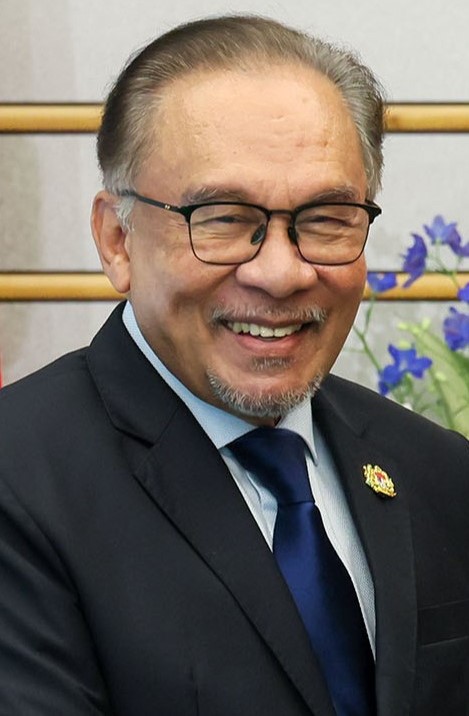
The Malaysian Artistes' Association, known as Karyawan, is preparing to escalate industry concerns directly to Malaysia's highest political office. In the coming weeks, the organisation will compile a formal memorandum detailing resolutions from a major music practitioners convention scheduled for Sunday at Saloma Restaurant in Kuala Lumpur, with the document set for submission to the Prime Minister approximately one week after the gathering concludes. This initiative reflects growing momentum within the creative sector to address systemic challenges that have accumulated over decades, signalling a watershed moment for advocacy within Malaysia's music landscape.
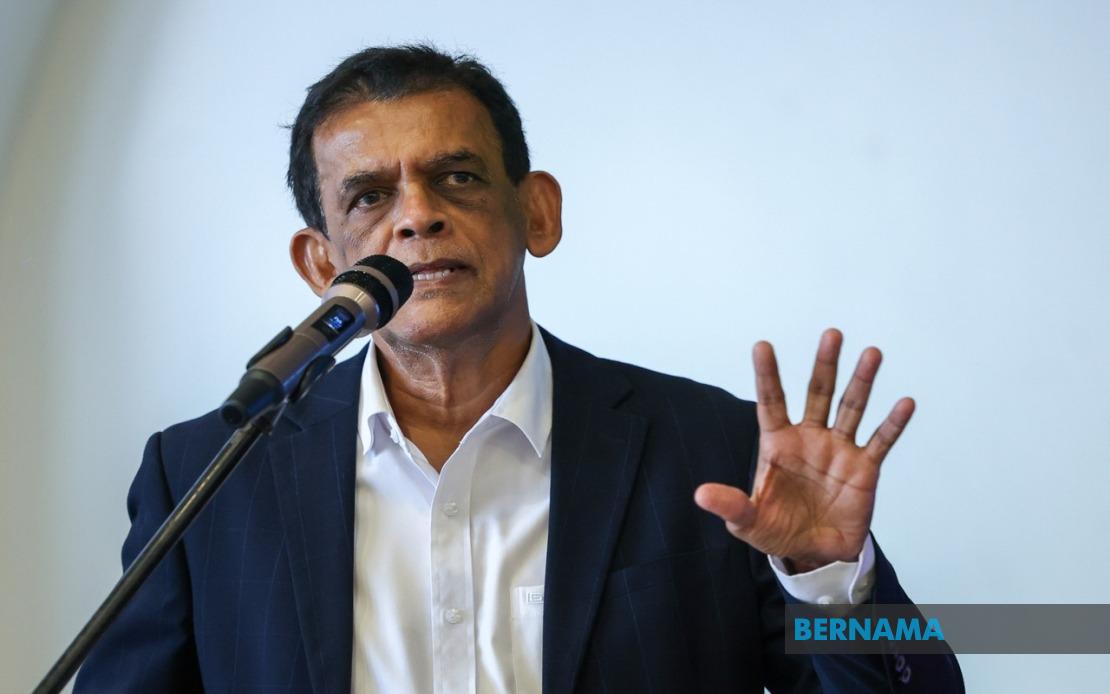
Datuk Freddie Fernandez, president of Karyawan, framed the upcoming convention as a critical juncture for the industry's trajectory. Speaking at a press briefing, he articulated his conviction that Malaysia's music sector requires fundamental renewal, having witnessed troubling patterns and structural dysfunction throughout his two decades of observation. The convention will convene more than 200 music practitioners, artistes, and industry stakeholders to collectively diagnose problems and chart pathways toward sustainable development. By bringing this diverse constituency together in structured dialogue, Karyawan aims to transform fragmented grievances into coherent policy recommendations with sufficient weight to merit government attention.
The scope of the forthcoming memorandum is expansive, reflecting the interconnected nature of challenges facing creative professionals in Malaysia. Proposed topics span industry development frameworks, the integration and governance of artificial intelligence technologies, overhaul of royalty distribution mechanisms, enhanced support architecture for artistes, music education standards, and clarification of viable career trajectories within the sector. This breadth indicates that Karyawan views current difficulties not as isolated problems but as symptomatic of deeper structural deficiencies requiring comprehensive policy intervention rather than piecemeal solutions.
Royalty distribution emerges as perhaps the most acute concern for Karyawan's advocacy agenda. Fernandez highlighted the starkness of the disparity through concrete financial evidence: between 2002 and 2017, record companies collected approximately RM700 million through various channels, yet only around RM20 million found its way to artistes' organisations for ultimate distribution to creators. This roughly 3.5 percent flow-through rate exposes a fundamental dysfunction in how value circulates through Malaysia's music ecosystem. For performers and songwriters, this reality translates into inadequate financial incentives for artistic creation and professional commitment, ultimately constraining the sector's capacity to attract and retain talent.
Beyond immediate compensation mechanisms, Fernandez emphasised that the convention provides essential opportunity for practitioners to seek clarity on murky and contentious matters that currently inhibit professional confidence. The music industry operates within substantial uncertainty regarding regulatory expectations, technology integration, and contractual norms. By creating space for structured dialogue with acknowledged experts and industry leaders, the convention attempts to dissolve confusion and establish common understanding about industry direction and individual responsibilities within evolving frameworks.
The artificial intelligence question represents an emerging frontier where Malaysia's music professionals currently lack adequate guidance. Fernandez indicated that thorough deliberation is required to establish balanced guidelines that permit technological advancement without compromising the legitimate interests of musicians, composers, and recording artists. This reflects a broader Southeast Asian challenge as AI technologies increasingly intersect with creative work, raising unresolved questions about attribution, compensation, copyright, and the future relevance of human creativity. Malaysian perspectives in these discussions could inform regional approaches to technology governance in the creative sectors.
Support infrastructure and career pathway clarity constitute another dimension of Karyawan's reform agenda. The association contends that Malaysia's music industry has failed to systematise the transition from emerging talent to established professional, lacking transparent mechanisms to guide young musicians toward sustainable careers. More organised institutional support, clearer informational resources, and demonstrated opportunities would enable talented individuals to commit to music as a viable professional choice rather than treating it as a speculative venture. This restructuring could strengthen the sector's competitive position regionally by cultivating deeper talent pools and professional sophistication.
The convention programme itself reflects this commitment to informed dialogue and expert input. Scheduled to commence at 10 am on Sunday, the event will feature structured panel discussions with acknowledged authorities including music activist Joe Lee, composer Dr Moja Salim, and Para Rajagopal, managing director of Live Nation. These panellists bring varied perspectives—from grassroots advocacy to international entertainment infrastructure—promising multifaceted examination of industry dynamics and potential solutions.
Fernandez signalled openness to both regulatory and financial approaches, indicating that Karyawan's recommendations may include proposals for industry-specific legislation and expanded government or institutional support mechanisms. This signals a recognition that voluntary industry self-regulation has proven insufficient and that structural problems require formal policy instruments. For Malaysian policymakers, the memorandum will present an opportunity to demonstrate commitment to creative sector development, increasingly recognised as vital to economic diversification and cultural soft power in the region.
The timing and positioning of this initiative deserves scrutiny within Malaysia's broader creative economy context. As Southeast Asian nations increasingly recognise cultural industries as growth vectors and sources of international competitiveness, Malaysia's music sector represents underutilised potential. Systemic problems in royalty distribution, talent development, and technology integration directly constrain this potential. By elevating sectoral concerns to Prime Ministerial attention, Karyawan is framing music industry reform not as narrow professional interest but as a matter of national economic and cultural significance.
For practitioners across Malaysia—from session musicians and songwriters to recording artistes and venue operators—the convention represents a moment where accumulated frustrations and experiences converge into potential policy influence. The collective voice of over 200 professionals carries weight that individual complaints cannot achieve. Success in translating convention discussions into government action would validate such collaborative advocacy approaches and potentially encourage similar initiatives across Malaysia's broader creative sectors, from film production to visual arts.
The memorandum's eventual reception and the government's responsiveness will test Malaysia's institutional commitment to creative sector development. Whether recommendations result in concrete policy changes, regulatory amendments, or funding allocation will signal broader government priorities regarding cultural industries. For the musicians and music professionals who attend Sunday's convention, the stakes involve not merely technical improvements but the viability of music as a legitimate, rewarding professional path in Malaysia.