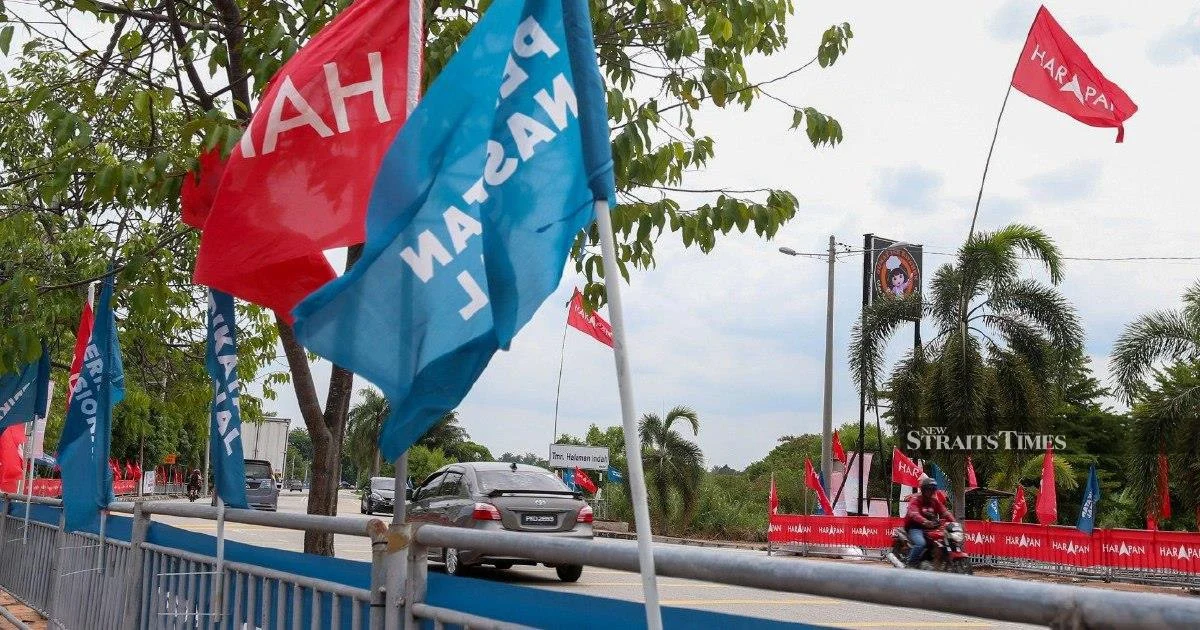
The 16th Johor state election enters its formal phase today as nomination day opens across all 56 constituencies, signalling the beginning of what is expected to be an intensely contested campaign season in Malaysia's southern state. This opening of the nomination process represents a critical juncture for political parties seeking to consolidate their positions in Johor, a state that has long been a cornerstone of Malaysian electoral politics and a testing ground for national political movements.
For political operatives across the peninsula, Johor elections have traditionally carried outsized significance. The state's voting patterns frequently foreshadow shifts in national sentiment, and its 56 seats represent a substantial block of legislative power that shapes policy outcomes at both state and federal levels. The commencement of nominations today means that candidates have formally declared their intentions to contest, moving beyond months of speculation about candidacies and field configurations.
The nomination process unfolds simultaneously across all constituencies, a procedural requirement that ensures equitable treatment and allows for rapid candidate registration across the state's diverse electoral landscape. This coordinated approach means that from Johor Baru in the south to constituencies in the northern reaches of the state, candidates are filing their nomination papers and securing the endorsements required by electoral law. The parallel nominations across all 56 seats compress the administrative phase, allowing the campaign proper to intensify relatively quickly.
Johor's political landscape has undergone significant reconfiguration in recent years, with shifting alliances among federal coalitions reflected in state-level contests. The nomination process today will reveal how parties have adjusted their candidate slates in response to changing political dynamics, demographic shifts, and evolving voter preferences. Some constituencies will see straight contests between two primary contenders, while others may feature multi-cornered battles involving splinter candidates or independent aspirants seeking to disrupt traditional voting patterns.
The state's geographic diversity—stretching from highly urbanised areas around Johor Baru and Iskandar Puteri to rural and semi-rural constituencies in the interior—means that campaigns will need to tailor messaging to address localised concerns while maintaining coherent state-level narratives. Candidates will need to balance attention between their immediate constituencies and broader Johor-wide issues such as economic development, infrastructure, education, and healthcare provision.
For the ruling state government and opposition parties, the coming weeks represent an opportunity to mobilise supporters and articulate contrasting visions for Johor's future. The nomination phase sets the parameters for these electoral contests by determining which candidates will carry party colours and which aspirants will contest as independents. Early momentum generated during this phase can influence voter perception throughout the campaign period.
Electoral analysts will be closely monitoring the candidate profiles emerging from today's nominations, examining whether parties have selected more moderate voices or opted for combative contenders, whether they have promoted fresh candidates or relied on tried-and-tested incumbents, and whether demographic representation reflects or diverges from Johor's population composition. These decisions signal parties' strategic priorities and their calculations about voter sentiment in different parts of the state.
The 56 constituencies encompass urban, suburban, and rural communities with varying demographic profiles and economic priorities. Coastal areas may prioritise maritime industries and port development, while interior constituencies often focus on agriculture, manufacturing, and small-scale commerce. The nomination of candidates across this spectrum will reveal how parties aim to address this heterogeneity through their field selections and policy platforms.
This election cycle arrives amid a period of national political fluidity, with federal coalition arrangements in transition and voter preferences remaining relatively volatile compared to earlier decades of Malaysian electoral history. Johor's election will therefore serve as a barometer of public sentiment and provide early indicators of how recent political developments at the national level are filtering through to state and local politics. The outcome could influence perceptions of momentum heading into any future federal electoral contests.
Campaign season will intensify rapidly following the successful completion of nominations, with candidates seeking to establish their presence in constituencies and communicate their platforms to voters. The next several weeks will determine which candidates can effectively connect with their constituents, which parties can project unified and compelling messages, and ultimately which candidates secure sufficient votes to join the Johor State Assembly. Today's nomination process, though procedurally routine, therefore represents a crucial gateway through which the subsequent campaign drama will unfold.

