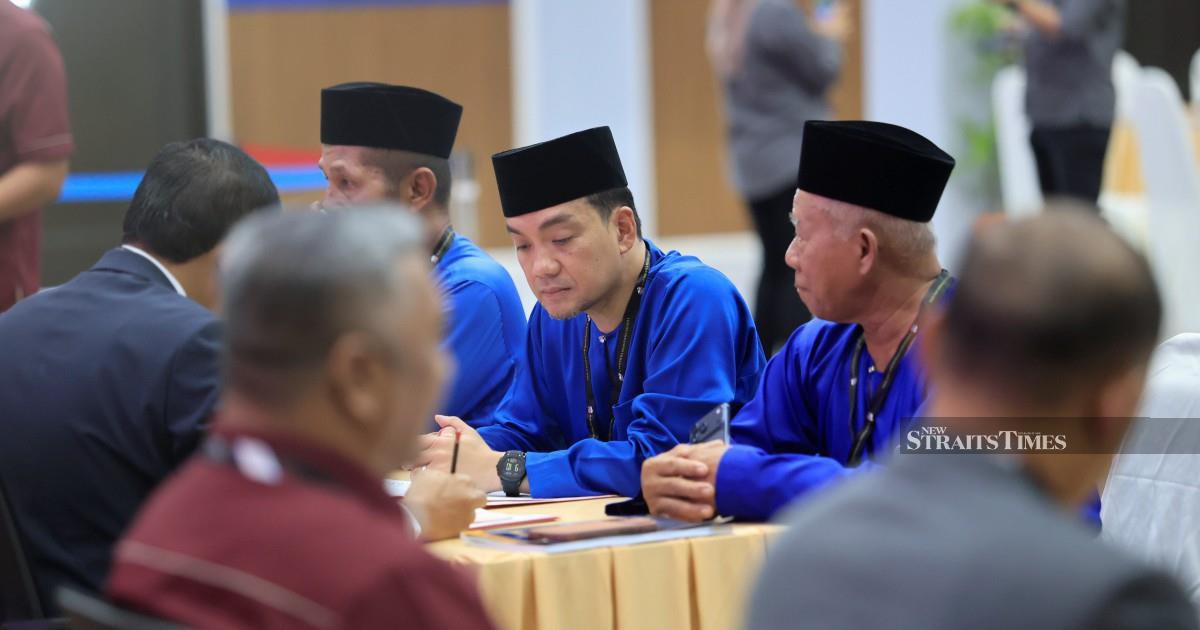
The nomination period for Johor's 16th state election has formally concluded with the shutdown of all 56 nomination centres across the state at 10am today, bringing an end to the candidate registration phase. The widespread closure of these centres, distributed throughout Johor, signals a transition into the next phase of the election cycle, as the state prepares for the campaign period that will follow this nomination deadline.
The establishment of 56 nomination centres throughout Johor reflects the electoral commission's comprehensive approach to ensuring accessibility for prospective candidates across both urban and rural constituencies. This geographic distribution allows aspirants from all parts of the state to submit their nomination documents without facing excessive travel requirements, a particularly important consideration in Johor given the large distances between certain population centres and the capital, Johor Baru.
The nomination process represents a critical juncture in any democratic exercise, as it crystallises which individuals and political parties have met the statutory requirements to contest the election. During the nomination period, candidates must satisfy stringent legal criteria, including residency qualifications, financial deposits, and sponsorship by registered voters, ensuring that only those meeting constitutional standards proceed to the ballot. The closure of all centres at a uniform time prevents late submissions and establishes a clear, legally defensible cutoff point for the administration of the election.
The 16th Johor state election is significant within Malaysia's electoral calendar, particularly given Johor's status as one of the nation's most politically competitive states. Historically, Johor has been a bellwether for broader political trends in Malaysia, with its election outcomes often serving as an indicator of sentiment in other states. The composition of candidates who have submitted their nominations during this process will substantially influence the shape of political competition that unfolds during the campaign period.
For Malaysian political observers, the conclusion of nominations in Johor carries implications that extend beyond the state itself. Johor's electoral dynamics have long reflected tensions between federal and state-level political forces, and the candidates now registered for this election will represent the culmination of party selection processes at both state and national levels. The number of candidates fielded, their backgrounds, and their party affiliations collectively paint a picture of the political landscape that parties believe will resonate with voters.
The nomination closure also marks the official transition from the administrative phase of the election to the campaign phase, when candidates and parties will be permitted to engage directly with voters. This distinction is legally important, as Malaysia's election laws establish specific rules governing campaigning that come into effect only after nominations close. Media coverage, public rallies, advertising, and direct voter engagement are now permitted to commence according to the statutory guidelines for this election period.
For candidates from both major coalitions and independent aspirants, the submission process during the nomination period represented a final opportunity to formalise their intentions to contest. Some aspirants may have withdrawn during this phase, while others would have confirmed their participation by lodging the necessary documentation. The nomination process thus serves as a filtering mechanism that separates serious political challengers from those lacking the organisation or resources to meet statutory deadlines and requirements.
The coordination required to manage 56 nomination centres simultaneously across Johor highlights the operational scale of conducting state elections in Malaysia. Election officials, polling station staff, and administrative personnel at each centre must work in synchronisation to process nominations, verify documentation, and maintain accurate records. The simultaneous closure at 10am reflects the statutory framework that governs these proceedings, ensuring that the process operates uniformly across the state regardless of local circumstances or last-minute applications.
Looking ahead, election officials will now transition into the verification phase, examining submitted nominations to ensure all candidates meet eligibility criteria. This process may result in the rejection of some nominations if candidates are found to have failed to satisfy requirements such as nationality, age, or residency provisions. Once verifications are complete, the electoral commission will release the official list of candidates who have been accepted to contest the election, which typically occurs several days after the nomination deadline.
For Malaysian voters and political analysts monitoring Johor's political development, the closure of nomination centres represents a concrete moment in the electoral calendar. The candidates now registered will constitute the full slate of contenders available to voters when they cast their ballots in the coming weeks. This election will determine which parties maintain or gain control of the Johor state assembly, with ramifications for policy-making, development priorities, and the state government's ability to implement its legislative agenda over the next electoral term.

