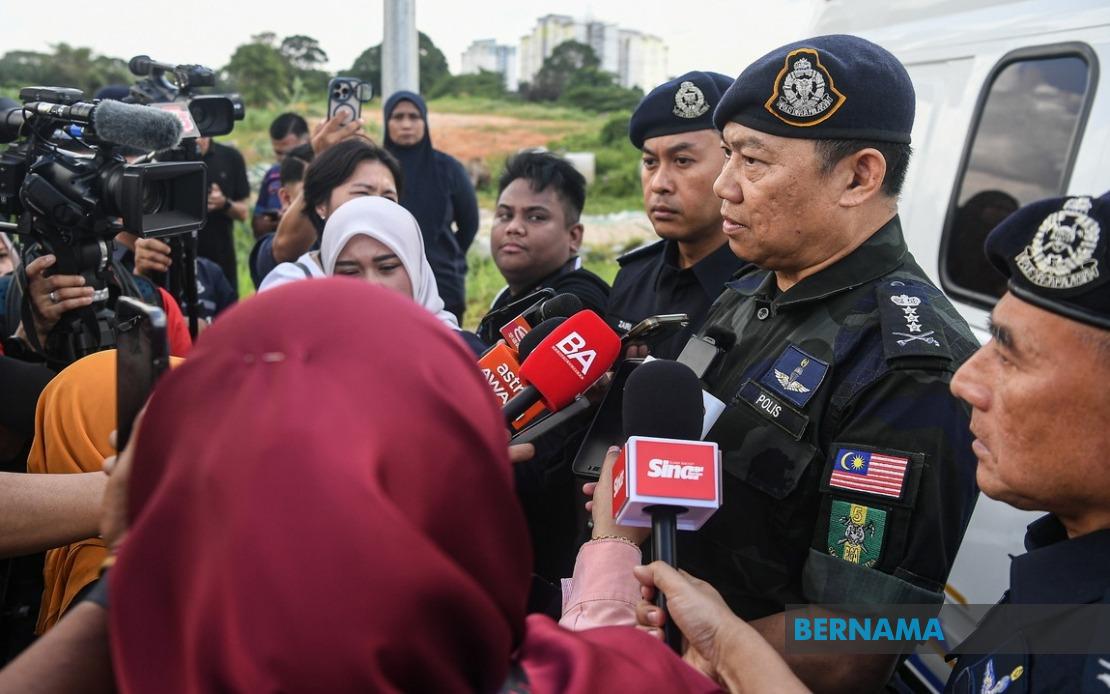
The nomination phase of Johor's 16th state election concluded on an orderly note, with all 56 nomination centres across the southern state completing their proceedings without reported disruptions or security concerns. The successful administration of the nomination day reflects careful coordination between electoral authorities and law enforcement, setting a relatively stable tone as the state heads toward its polling date later this month.
Johor police chief Datuk Ab Rahaman Arsad confirmed that no complaints or incidents had been recorded throughout the day, indicating that the massive security deployment achieved its intended purpose of creating a secure environment for candidates and voters to participate in the democratic process. The police presence, while substantial, apparently operated without creating friction or perception of heavy-handedness that might discourage political participation.
The scale of police deployment underscores the seriousness with which state authorities approached the election administration. Nearly 4,832 officers and personnel were assigned across Johor to monitor the nomination process, a reflection of the logistical challenge posed by managing simultaneous activities across 56 different venues and the expectation that election periods can occasionally attract unwanted behaviour or confrontations between rival political factions.
From an electoral management perspective, the Election Commission has already issued 26 campaign permits to various political parties and candidates, with officials signalling that additional authorisations will be granted as the formal campaign period progresses. This staged approval process allows authorities to monitor campaign activities and ensure that rallies and public events proceed in accordance with established regulations while giving political actors reasonable flexibility to reach voters.
The smooth nomination day is particularly significant for Johor, Malaysia's second-largest state by population and a traditional political stronghold where electoral contests carry considerable weight in broader national political calculations. A well-administered nomination process helps preserve public confidence in the election machinery and reduces post-nomination disputes that could undermine the legitimacy of the overall exercise. For Southeast Asian standards, Malaysia's election administration, despite periodic controversies over gerrymandering and electoral boundaries, has generally maintained procedural credibility.
Datuk Ab Rahaman's explicit reminder to all contestants to conduct campaigns responsibly and within legal bounds suggests that while nomination day passed peacefully, authorities remain alert to potential problems during the campaign period itself. Election-related tensions in Malaysia historically emerge less during nomination days and more during the intensive campaign phase, when competing parties deploy aggressive messaging and supporters sometimes engage in confrontational conduct at opposing campaign events.
The police warnings against actions threatening public order carry particular weight given Malaysia's experience with occasional election-related skirmishes and heated communal tensions during previous campaigns. By clearly communicating expectations and consequences upfront, law enforcement aims to establish deterrence and encourage parties to police their own members' conduct. This preventive communication strategy, when it works, reduces the need for reactive policing during the heated campaign period.
The Election Commission's calendar is now tightly scheduled, with early voting set for July 7 and the main polling day on July 11. This compressed timeline, typical for state elections, means that the campaign period spans only about two weeks between the close of nominations and voting day. The brevity of this window creates a compressed political space where campaigns must be executed quickly but also, theoretically, concentrates media and voter attention on a shorter timeframe.
For Johor's major political players, nomination day represented the formal commitment point, with candidates now locked into their constituencies and unable to withdraw without forfeiting nominations. The successful completion of this phase without drama suggests that pre-election negotiations, candidate selection processes, and coalition arrangements among opposition parties have largely settled beforehand, at least superficially. Any major last-minute surprises or defections would likely have emerged during the nomination window.
The election holds significance beyond Johor's borders. The state's political direction influences national political balance and reflects voter sentiment on both state governance and federal issues. A state-level election can serve as a barometer of public mood between general elections, offering insights into whether ruling coalitions are maintaining electoral support or facing erosion. For the Pakatan Harapan opposition coalition and the ruling Barisan Nasional, Johor's verdict will send important signals about their respective electoral viability heading toward any eventual federal election.
Police readiness to manage campaign-period contingencies extends to monitoring compliance with electoral spending limits, prevention of illegal campaign materials, and management of public assembly permits. The approval of 26 campaign permits on nomination day itself suggests a reasonably permissive stance toward public campaigning, though authorities will likely scrutinise subsequent permit applications for political gatherings to ensure they genuinely facilitate democratic participation rather than enabling activities that might provoke disorder.
As Johor moves into its campaign phase proper, the precedent set by a peaceful, efficient nomination day provides a foundation for hoping that subsequent phases will similarly proceed within legal and peaceful bounds. The state's voters will over the next fortnight be exposed to competing visions of how Johor should be governed, and the electoral machinery's demonstrated capacity to manage the nomination phase professionally enhances the broader perception of democratic legitimacy surrounding the election's outcome, whatever that outcome may prove to be.

