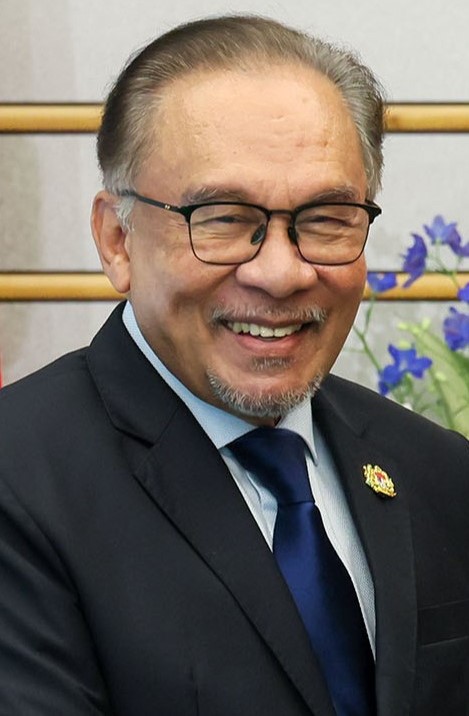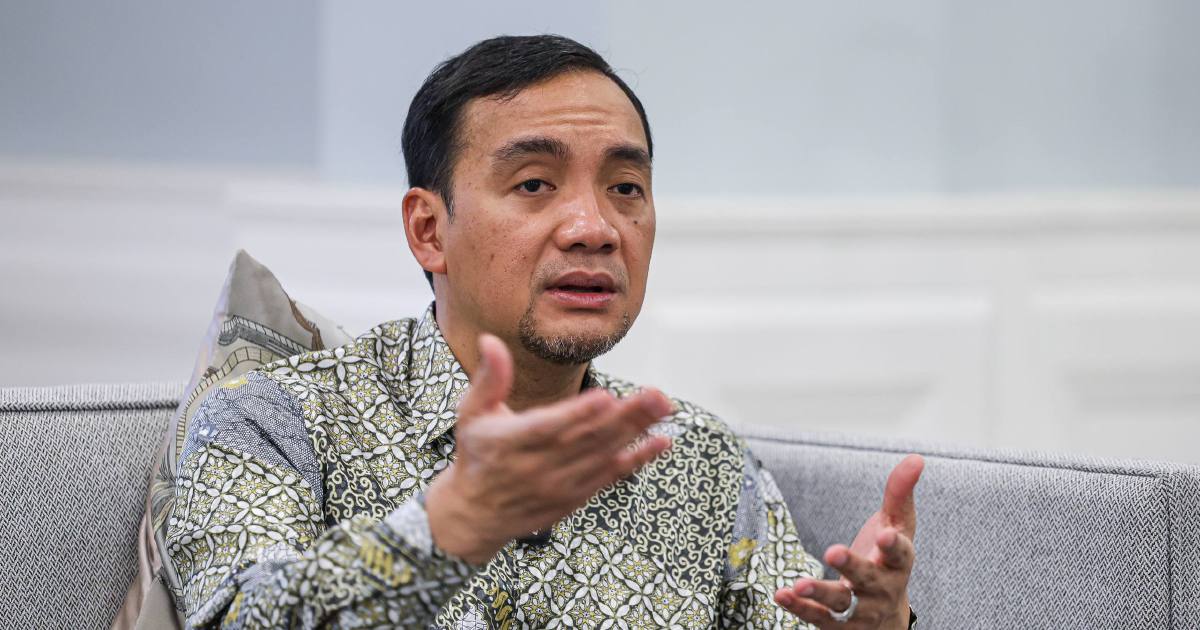
The Johor palace has stepped in to set the tone for the forthcoming state election, with both the King and the state's Regent publicly advocating for a campaign built on issues rather than personal vitriol. Datuk Onn Hafiz Ghazi, who chairs the Johor Barisan Nasional chapter, relayed the message from His Majesty Sultan Ibrahim and Tunku Mahkota Ismail, emphasizing their shared expectation that contesting parties will refrain from resorting to character assassinations and disrespectful conduct throughout the electoral process.
The timing of this royal intervention reflects growing concerns about the tenor of political discourse in Malaysia. Election campaigns, by their nature, generate heat and competitive tension, but recent contests have occasionally crossed lines that traditionalists and institutional guardians view as damaging to the broader social fabric. The palace's position carries particular weight because the monarchy in Malaysia holds both ceremonial and symbolic authority, and when it speaks on matters of public conduct, the statement resonates across political factions. By signalling expectations of civility now, Sultan Ibrahim and Tunku Mahkota Ismail are essentially seeking to establish boundaries before campaigns intensify.
For Johor specifically, this intervention is especially significant given the state's importance within Malaysia's political landscape. As the second-largest state by population and a historical stronghold of various political coalitions, Johor's electoral health often signals broader national trends. The palace's emphasis on decorum suggests a desire to ensure that competition remains robust without becoming corrosive to community relations. In a diverse state like Johor, where multiple ethnic and religious communities coexist, the stakes for maintaining civility are genuinely high.
Onn Hafiz's role as messenger also deserves scrutiny. As a prominent Barisan Nasional figure himself, his position acknowledges that the ruling coalition has a particular responsibility to model the behaviour the palace is recommending. This can be read as a subtle acknowledgment that incumbent parties, which typically command more media attention and resources, carry extra weight in setting the campaign's emotional temperature. By publicly accepting and communicating the palace's guidance, the BN is effectively signalling that it will adhere to these standards, creating a benchmark against which other parties' conduct can be measured.
The broader context of Malaysian electoral culture makes this advisory particularly timely. Social media has transformed how campaigns operate, enabling rapid dissemination of messaging but also facilitating personal attacks and misinformation at unprecedented scale. Political operatives, both from government and opposition camps, have become increasingly willing to weaponize personal information or character flaws in ways that would have been considered beyond the pale a generation ago. The palace's caution appears to be a response to this erosion of norms.
For opposition parties, the palace's message also carries implications worth considering. While Barisan Nasional's acceptance of the guidance may seem like the establishment protecting itself, opposition figures who ignore the call for civility risk appearing dismissive of royal counsel. In Malaysian political culture, disrespecting or appearing to defy the wishes of the monarchy is genuinely costly. This creates an interesting dynamic where all major political players are subtly incentivized to maintain decorum, not necessarily because they prefer it, but because deviating from a palace-endorsed standard carries reputational risk.
The substance of what counts as uncivil behaviour, however, remains somewhat undefined. Strong criticism of opponents' policies or track records would typically be considered fair game in electoral competition. The palace appears to be targeting a category of conduct that sits higher on the incivility spectrum—personal attacks unrelated to governance, attacks on family members or personal circumstances, or rhetoric that plays on communal or religious sensitivities in divisive ways. The distinction between vigorous argument and character assassination is sometimes in the eye of the beholder, which could lead to disputes about whether particular statements violate the palace's guidance.
Historically, royal interventions of this nature have achieved mixed results in moderating campaign behaviour. Politicians often interpret such guidance through the lens of their own interests, finding ways to argue that their particular conduct falls within acceptable bounds. Additionally, the enforcement mechanism is entirely informal—the palace has no power to penalize violations, only the ability to withdraw its favour or make disapproving statements. In Malaysia's system, where royal respect carries significant political capital, this is not trivial, but it is also limited.
For the broader region, Malaysia's palace-led approach to electoral civility offers an interesting model, albeit one that depends on specific institutional arrangements. Many Southeast Asian democracies grapple with increasingly heated campaign environments, and some observers might see merit in having respected national institutions weigh in on standards of political conduct. Others might worry that such interventions, even when well-intentioned, can blur the lines between institutional neutrality and partisan pressure in ways that ultimately weaken democratic norms.
The immediate impact of Sultan Ibrahim and Tunku Mahkota Ismail's guidance will likely unfold over the coming weeks as the campaign develops. If major candidates and parties visibly adjust their messaging and rhetoric in response, it will demonstrate the continued respect accorded to royal counsel in Johor politics. If violations occur and go without visible consequence, the advisory may fade as an effective restraining force. Either way, the palace's decision to intervene indicates that Malaysian institutional leaders view the quality of democratic discourse as something worth protecting, even when mechanisms for doing so remain primarily symbolic.