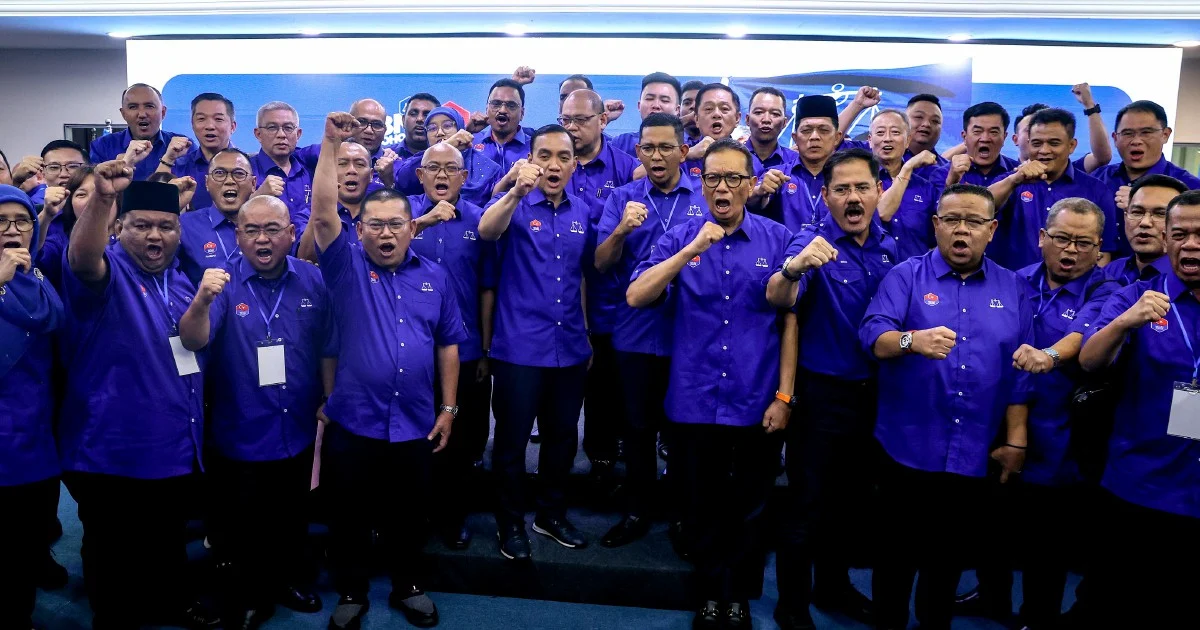
Speculation about a potential three-party electoral alliance in Johor has effectively ended following Barisan Nasional's unveiling of its candidate roster, which contains no representatives from Parti Wawasan Negara's leadership ranks. The regional coalition's decision to proceed without senior Wawasan figures clarifies the political landscape ahead of the Johor state election and signals a consolidation of BN's electoral strategy around its traditional party structure.
For weeks, observers had tracked rumours of possible cooperation between three political entities—Barisan Nasional, PAS, and Parti Wawasan Negara—that might reshape Johor's competitive dynamics. Such an arrangement would have represented an unusual alignment given the historical rivalry between these groups and their distinct regional strongholds. The emergence of these reports reflected the fluid nature of Malaysian coalition politics, where electoral calculations frequently prompt exploratory talks among potential partners seeking to optimise seat distribution and voter appeal in particular constituencies.
Wawasan's exclusion from BN's candidate list suggests negotiations either never progressed beyond the preliminary stage or were ultimately abandoned in favour of a more conventional approach. The party, led by figures who have attempted to carve out a centrist political space in Malaysia's polarised landscape, appears to have failed to secure attractive terms that would warrant senior member candidacies under the BN banner. This outcome reinforces the dominance of established coalitional structures in Malaysian electoral contests, where newer or smaller political entities face significant barriers to meaningful representation.
The composition of BN's Johor candidates reveals the coalition's confidence in its existing membership base—UMNO, MIC, and MCA—to defend and win seats without requiring external support. This approach contrasts with earlier suggestions that expanding BN's slate might absorb Wawasan members, demonstrating that internal deliberations favoured party consolidation over external coalition expansion. Such decisions reflect broader calculations about vote efficiency and the risk-reward calculations inherent in bringing new partners into established political arrangements.
For Malaysian observers, the development illustrates the delicate choreography of pre-election coalition building. While public discourse often frames such negotiations as either-or propositions, they frequently involve multiple simultaneous explorations that yield different outcomes across different contests. BN's finalised Johor strategy represents one such outcome—the preference for traditional structures over experimental alignments—though similar calculations in other states or at the federal level may produce different results.
PAS's positioning in this scenario remains noteworthy. The Islamist party's relationship with Wawasan differs from its established patterns with UMNO, creating potential complications for the three-way cooperation that had been mooted. PAS's own electoral ambitions in Johor, combined with its complex relationship with various non-Malay and non-Muslim-focused parties, may have influenced the ultimate decision. The party's absence from formal discussion in media reports does not necessarily indicate its lack of involvement in broader political calculations.
The implications for Wawasan are substantial. As a relatively new entrant to Malaysia's political scene attempting to establish credibility, the party's failure to secure candidate placements through BN represents a setback in its efforts to translate policy positioning into electoral representation. For voters inclined toward Wawasan's political platform, the exclusion narrows pathways to direct representation, potentially concentrating political influence within traditional coalition structures.
Regionally, Johor's political dynamics carry weight beyond the state itself. Malaysia's most southern peninsular state serves as a testing ground for coalition strategies that parties later adapt nationally. Outcomes in Johor frequently signal broader trends in Malaysian electoral politics and voter preferences, making the state's competitive environment a subject of careful analysis among political strategists across the spectrum. BN's candidate selection here thus carries implications extending beyond Johor's borders.
The consolidation around established BN structures may reflect organisational confidence but could also indicate cautious risk-aversion in an uncertain electoral environment. By declining to experiment with expanded coalitional arrangements, BN opts for the predictability of familiar party machinery against the potential electoral benefits of absorbing new constituencies through peripheral allies. This calculation prioritises internal stability and proven campaign infrastructure over the uncertain rewards of political diversification.
Looking ahead, the resolution of these coalition questions will shape the intensity and character of Johor's electoral contest. With BN's candidate slate finalised and structured around its core membership, opposition parties and independent analysts can now assess the detailed terrain of the coming campaign. The absence of Wawasan representation removes one variable from the equation, establishing clearer factional lines and potentially simplifying voter choice between traditional coalition politics and alternative arrangements seeking to consolidate non-BN votes.

