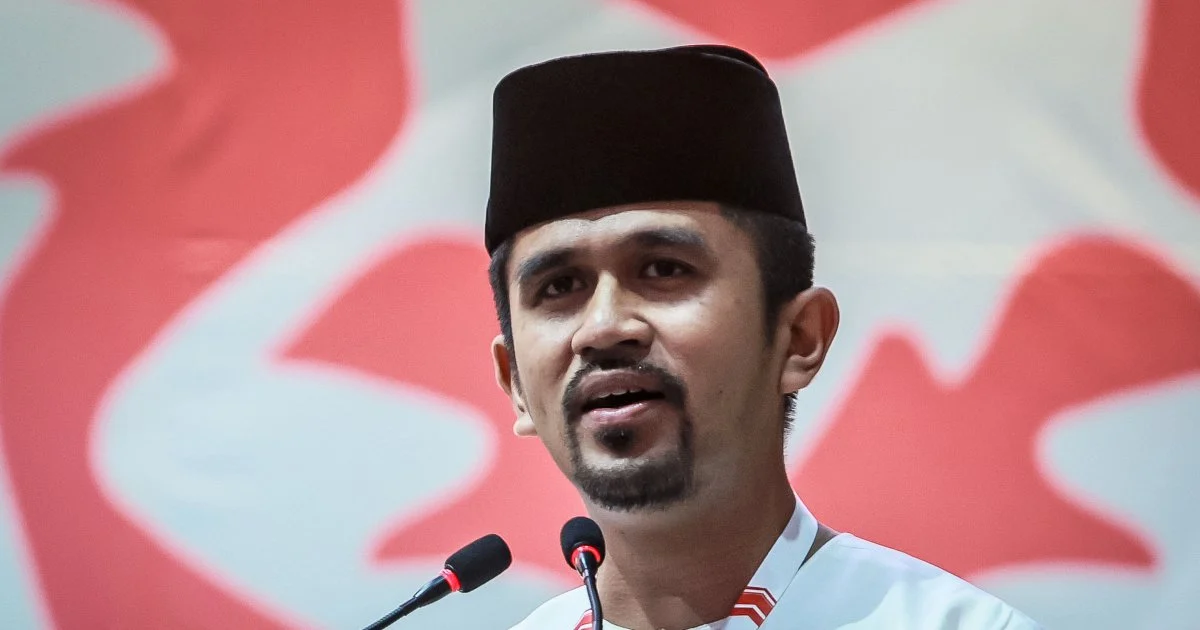
The Barisan Nasional Youth leadership has openly challenged Pakatan Harapan's strategic choice to leave key Johor party figures off the ballot for the upcoming July 11 state election, with Umno Youth secretary-general Hafiz Ariffin becoming the latest party figure to voice scepticism about the omissions.
Hafiz Ariffin's questioning of the PH candidate list reflects a broader effort by the ruling BN coalition to undermine confidence in the opposition's electoral preparations. By highlighting the absence of prominent Pakatan figures, BN Youth aims to suggest internal discord within the opposition alliance or weakness in the political machinery. Such tactical observations often serve to plant doubt in voters' minds about an opponent's organisational coherence and commitment to contested races.
The timing of these remarks, released ahead of a significant state election cycle, demonstrates the intensifying political jockeying between coalitions in one of Malaysia's most competitive electoral battlegrounds. Johor has historically been a stronghold for BN and particularly for Umno, but the 2018 federal election results signalled a shifting political landscape that has persisted into the present contest. The state election represents a crucial test of voter sentiment and coalition viability in the region.
Pakatan Harapan's candidate selection process typically involves complex negotiations among its constituent parties—PKR, DAP, Amanah, and other coalition partners—each seeking to maximise seat allocations and representation. Such deliberations sometimes result in capable leaders being left out of candidate lists due to seat limitations, strategic positioning, or internal party dynamics rather than capability concerns. The absence of certain figures may reflect pragmatic decisions rather than lack of confidence, though opponents will naturally interpret otherwise.
For Malaysian voters evaluating the coalitions, understanding the genuine reasons behind candidate selections becomes important context. Opposition coalitions in particular face scrutiny over whether candidate lists reflect merit and organisational strength or internal power struggles and compromise. In Johor's competitive environment, where BN maintains institutional advantages and entrenched voter support in many constituencies, the opposition coalition's ability to field compelling candidates directly impacts electoral outcomes.
The implications of candidate selection extend beyond individual races to shape broader coalition narratives. A well-coordinated candidate line-up suggests disciplined party machinery and unified direction, while visible absences of expected figures can fuel speculation about discord or wavering commitment. BN's focus on these dynamics suggests the coalition views the election as genuinely competitive and recognises that public confidence in PH's organisational capability could influence swing voters.
For Johor specifically, the state election occurs within a context of previous BN dominance now facing genuine electoral challenge. The state has experienced significant demographic shifts, urbanisation in key areas, and shifting voter preferences particularly among younger demographics and urban professionals. These factors have created genuine competitive space for opposition coalitions, making candidate selection and campaign presentation genuinely consequential rather than ceremonial.
The July 11 election will ultimately serve as a barometer for coalition health across multiple dimensions. For BN, strong performance would affirm its recovery from the 2018 setback and validate the integration of previously estranged factions. For PH, competitive performance in Johor would demonstrate resilience in a traditionally hostile territory and ability to function as a cohesive alternative government force. Candidate quality and public perception of each coalition's unity will influence how voters assess these competing narratives.
Hafiz Ariffin's comments also reflect the specific role of youth wings in Malaysian political competition. Youth movements serve as aggressive message carriers and party activists, tasked with prosecuting partisan arguments in grassroots contexts and media engagement. By raising questions about PH's candidate choices, BN Youth fulfils this function while potentially reaching younger voters who may be evaluating coalition choices for the first time in this electoral cycle.
The broader pattern of such challenges suggests coalitions view candidate selection announcements as opportunities for competitive political messaging rather than mere administrative processes. Each coalition attempts to frame opponent decisions negatively while presenting its own choices positively. For voters seeking clarity amid these competing characterisations, examining actual candidate credentials, track records, and policy platforms becomes essential for independent assessment.
As the July 11 election approaches, these campaign-period critiques will proliferate across both coalitions, each seeking advantage in public perception and voter sentiment. The actual electoral outcome will ultimately reflect which coalition's candidate slate and broader campaign messaging resonates more effectively with Johor voters navigating economic concerns, development priorities, and trust in respective leadership teams.

