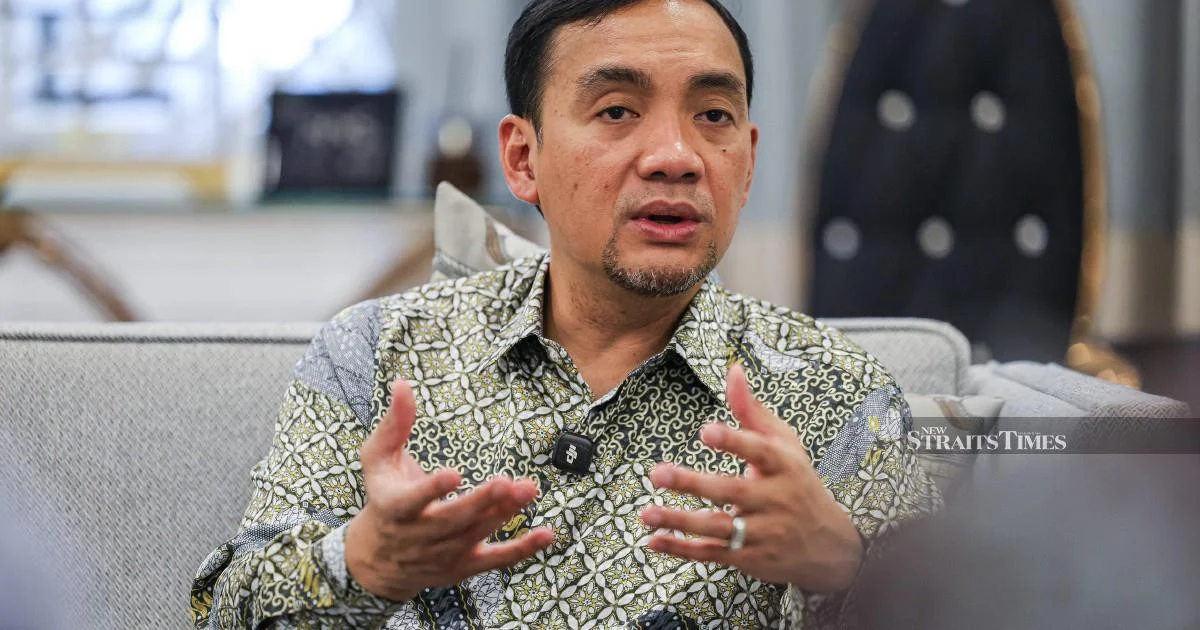
Barisan Nasional in Johor is gearing up for what will be a closely watched moment in the state's political calendar, with party leaders finalising their full slate of candidates for the upcoming state election. According to Johor Chief Minister Onn Hafiz, the coalition's nomination committee has been working through the week to crystallise the candidacy decisions that will shape the party's electoral strategy. The public unveiling is expected to take place on Saturday, marking the culmination of internal discussions that have likely involved negotiations between the various component parties within the coalition.
The timing of this announcement carries significance for Johor politics. With candidates formally declared, the state enters a more concrete phase of electoral preparation, moving beyond speculation and behind-the-scenes manoeuvrings into the realm of public commitment. For voters and political observers across the state, the candidate list will provide clarity on which individuals each party has judged most capable of representing their constituencies. The process of finalising candidates in a coalition as large and complex as Barisan Nasional typically involves balancing multiple considerations: regional representation, incumbent performance, factional interests within component parties, and demographic shifts in key constituencies.
Johor holds particular weight within Malaysia's national political landscape, serving as a crucial vote bank for any governing coalition. The state's electoral dynamics have shifted considerably in recent years, with earlier state elections demonstrating the volatility of voter sentiment even in traditionally strong Barisan Nasional territory. This context makes the candidate selection process especially consequential, as each nomination represents a calculated bet on electoral viability in what has become a more competitive electoral environment than many analysts anticipated a decade ago.
The Barisan Nasional coalition in Johor comprises multiple parties with their own internal politics and candidate preferences. The United Malays National Organisation remains the dominant force, but the Malaysian Chinese Association and Malaysian Indian Congress also field candidates and maintain influence over nominations affecting their respective communities. The need to accommodate preferences from each component party while projecting a cohesive party brand creates genuine complexity in finalising a state-wide candidate slate. These negotiations often extend right up to the deadline, with trade-offs and compromises struck to maintain coalition unity.
For incumbent candidates seeking renomination, this week represents a climactic moment. Those who have represented their constituencies through the previous term are presumably confident of retention, though no incumbency guarantees nomination in Malaysian politics. Poor performance in recent by-elections or opinion polling, factional opposition from within the party, or demographic shifts in constituency boundaries could all justify party leadership in choosing fresh candidates. The announcement will reveal which incumbents have retained confidence and which have been sidelined in favour of new faces.
New candidates entering the fray through Saturday's announcements will have limited time to campaign and build ground organisation before nomination day. This late-stage entry into the race is not uncommon in Malaysian elections, where party nominations often come closer to election scheduling than observers might expect. However, new candidates face an immediate uphill battle in introducing themselves to voters, establishing credibility, and constructing campaign machinery across constituencies that may be unfamiliar to them.
The composition of the candidate list will offer clues about Barisan Nasional's strategic priorities for the election. Concentration of new or particularly high-profile candidates in marginal constituencies would suggest the coalition recognises specific areas where electoral gains are possible or where defensive efforts are necessary. Retention of particular incumbent candidates despite previous narrow victories might indicate confidence in their personal followings or advantages in demographics shifting toward the coalition's base.
For Malaysian political analysts and opposition parties, Saturday's announcement will provide concrete material for comparative assessment. Opposition coalitions will immediately analyse the Johor Barisan Nasional slate against their own nominees, identifying contests they view as winnable, vulnerable seats worth contesting, and areas where they face long odds. The quality of candidates on offer from both sides often correlates with underlying party assessments of which seats they genuinely expect to control.
Onn Hafiz's confirmation of the timeline suggests that the Johor BN leadership is confident of resolving any outstanding candidacy disputes or factional objections by the end of the week. This confidence may reflect a relatively smooth process, or alternatively, it may indicate that party leadership has made decisions even where consensus remains elusive. In Malaysian coalition politics, deadlines concentrate minds and force decisions that ongoing deliberation might defer indefinitely.
The announcement on Saturday will reset the conversation around Johor's electoral prospects. Where previously analysis has focused on polling, economic conditions, and hypothetical scenarios, Saturday's candidate list transforms the contest into something tangible and personal. Voters will encounter actual names and faces, campaign teams will begin their coordinated efforts, and the machinery of state campaigning will shift into higher gears. For Barisan Nasional in Johor, the next phase of the electoral battle begins in earnest once these nominations are public.