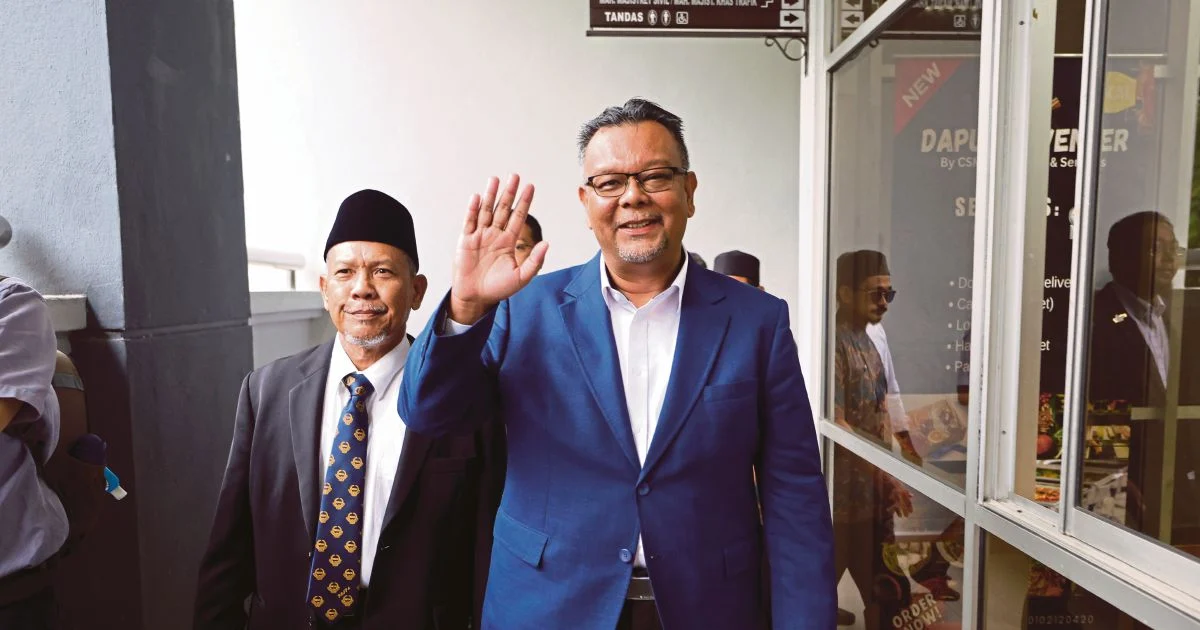
Dr Haim Hilman Abdullah, who represents the Jitra state constituency, entered a not guilty plea today before a magistrate in Seremban, contesting allegations that he made provocative statements with the potential to disrupt public peace. The case marks a notable development in ongoing scrutiny of political speech in Malaysian public discourse, reflecting broader tensions around the boundaries between legitimate political expression and statements deemed harmful to social stability.
The charge of making statements likely to cause public alarm falls under Malaysia's legal framework designed to maintain public order, a provision that has occasionally sparked debate among civil liberties advocates and legal observers. The law permits authorities to prosecute individuals whose words or actions are perceived to threaten tranquility, though enforcement remains subject to judicial interpretation and judicial review of whether statements genuinely posed a credible risk to public order.
For Hilman, the proceedings in Seremban carry significant political implications. As an elected state representative, any conviction could affect his political standing and ability to serve constituents, making the legal outcome consequential for both his personal career and the Jitra constituency's representation. The case also draws attention to an assemblyman whose political activities have evidently attracted official scrutiny, suggesting a pattern of statements or conduct that authorities believed warranted legal action.
The magistrate's court hearing represents the initial stage of the judicial process, where the fundamental question of guilt or innocence is joined. Hilman's not guilty plea signals his intention to contest the allegations vigorously, committing him to a trial where both prosecution and defence will present evidence and arguments regarding whether his statements genuinely constituted a threat to public peace. This phase establishes the framework for subsequent legal proceedings where the burden of proof rests with the prosecution.
Context surrounding the charges remains important for understanding the case's significance. Political speech in Malaysia operates within specific legal constraints, with various statutes governing statements deemed to breach national security, public order, or communal harmony. Courts must balance protecting speech necessary for democratic discourse against maintaining social stability, a tension particularly acute when dealing with political figures whose statements reach broader audiences and carry institutional weight.
The timing and nature of the alleged statements would prove critical to the trial's outcome. Prosecutors must demonstrate that the statements in question were objectively likely to cause public alarm rather than merely expressing unpopular views or legitimate political criticism. This distinction matters significantly for understanding whether authorities overreached in applying public order provisions to political speech, or whether Hilman's remarks genuinely crossed legal thresholds.
For Malaysian observers, the case exemplifies ongoing questions about the scope of permissible political expression. While authorities maintain that regulations protect public tranquility, critics occasionally contend that such provisions risk constraining legitimate discourse. Courts ultimately referee these conflicts through careful analysis of specific language, context, and demonstrable impact, ensuring that enforcement serves genuine public order interests rather than suppressing dissent.
The proceedings in Seremban will likely attract attention from legal professionals, political analysts, and civil society organisations monitoring judicial treatment of political speech cases. Outcomes in such matters establish precedents influencing future prosecutions and shape understanding of where courts draw lines between protected expression and actionable statements. A conviction might embolden authorities to pursue similar cases, while acquittal could constrain enforcement of public alarm statutes.
Hilman's decision to contest the charges rather than seek negotiated outcomes suggests confidence in his legal position and preference for vindicating his conduct through judicial verdict. The trial process ahead will require presentation of evidence regarding his statements, expert testimony perhaps addressing whether reasonable people would view them as alarming, and legal argument concerning proper interpretation of relevant statutes. Observers will monitor whether courts apply restrictive interpretation to public alarm provisions, preserving space for robust political expression, or broader interpretation accommodating aggressive prosecution of political speech.
The case unfolds against Malaysia's evolving political landscape, where tensions between different coalitions and competing visions occasionally translate into legal conflicts over permissible speech and conduct. State-level representatives like Hilman function at immediate interface between constituents and governance, making legal proceedings affecting them matters of genuine constituency concern. Jitra residents await trial outcomes that will clarify whether their assemblyman faces genuine legal jeopardy or whether courts determine charges lack sufficient foundation.

