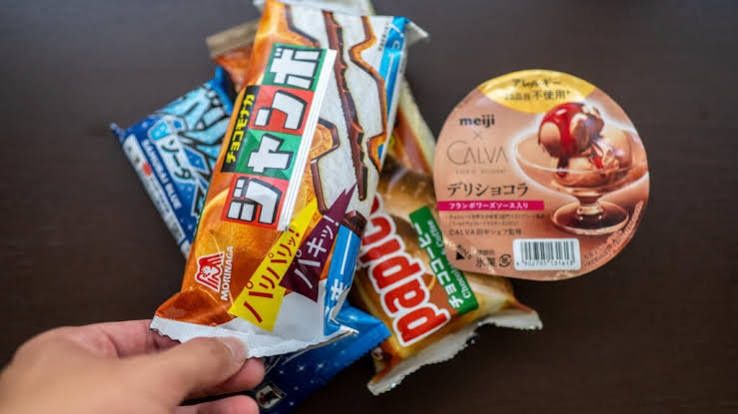
Japan's Fair Trade Commission has intensified scrutiny of the country's ice cream industry, conducting coordinated raids on six of the nation's largest manufacturers on suspicion of orchestrating a price-fixing cartel. The Tuesday operations targeted the head offices of Meiji Co., Morinaga Milk Industry Co., Lotte Co., Ezaki Glico Co., Morinaga & Co., and Akagi Nyugyo Co., marking a significant enforcement action as the summer season approaches—traditionally the most lucrative period for frozen dessert producers across the region.
Investigators believe that senior executives from these competing firms engaged in sustained collusion over multiple years to synchronise price increases across their product portfolios. According to sources briefed on the investigation, company officials exchanged emails and attended meetings specifically designed to coordinate the timing and magnitude of retail price hikes. This systematic approach to price management suggests coordination that extended beyond isolated instances, potentially affecting millions of Japanese consumers who have seen ice cream costs rise considerably in recent years.
The scope of the alleged misconduct becomes clearer when examining the timeline of price movements. Since approximately 2022, each of these six companies has raised their retail prices annually at remarkably similar intervals, according to reports from Japanese media outlets monitoring the sector. This synchronised pricing pattern, while individually explainable by rising costs, becomes suspicious when viewed collectively across competing firms—a key indicator that competition authorities use to identify potential cartel activity. The consistency suggests deliberate coordination rather than independent business decisions responding to identical market pressures.
Under investigation is also whether these companies exploited inflationary conditions to justify price increases that exceeded the actual rise in raw material costs. This represents a secondary dimension to the inquiry: beyond whether the firms colluded on prices, authorities want to determine if they cynically leveraged the inflation narrative to extract maximum profit. If substantiated, such behaviour would demonstrate not merely anti-competitive intent but also opportunistic overpricing that harmed consumers during an already economically challenging period.
The Japanese ice cream market has experienced remarkable growth despite—or perhaps because of—rising prices. In the fiscal year ending in March, ice cream sales reached an unprecedented 660 billion yen, propelled by record-breaking summer heat that made the country's warmest season since comprehensive temperature records began in 1989. This booming market created both opportunity and motive: with demand surging and consumers desperate for cooling relief, raising prices became attractive precisely because demand remained relatively inelastic. For regulators, such conditions make cartel detection essential, as monopolistic pricing becomes easiest to implement and most harmful when consumer demand cannot simply shift to alternatives.
The Japan Fair Trade Commission's decision to pursue this investigation reflects broader regional and global trends in antitrust enforcement. Competition authorities worldwide have become increasingly vigilant toward price-fixing schemes in food and beverage sectors, where collusion often proves relatively easy to sustain and particularly harmful to ordinary households. For Southeast Asian markets watching Japan's enforcement approach, the message is clear: even in developed, well-regulated economies, cartels can operate for extended periods before detection.
All six targeted companies have issued statements acknowledging the raids and pledging cooperation with investigators. Natsuyo Suzuki of Akagi Nyugyo confirmed the firm would fully assist with the probe following the on-site inspection. This cooperative posture is standard in Japanese corporate culture and may also reflect strategic calculation—firms facing cartel allegations often find that demonstrating transparency and collaboration can influence regulators' ultimate findings and penalty recommendations.
Should the JFTC conclude that a cartel existed, the enforcement framework provides both punitive and corrective mechanisms. The Commission possesses authority to order the firms to cease anti-competitive practices and modify their business operations going forward. Additionally, substantial financial penalties would follow—a powerful deterrent designed to make cartel participation financially irrational for any executive contemplating such schemes. For competing firms in the ice cream sector, including importers and smaller producers throughout Southeast Asia, a successful prosecution would reshape the competitive landscape by restoring price competition.
The investigation carries implications extending beyond Japan's borders. The country remains a significant exporter of food products and production technology throughout Asia. Should Japanese ice cream manufacturers face severe penalties, their ability to invest in regional expansion or competition with Southeast Asian producers could be constrained. Conversely, a robust antitrust outcome reinforces the rule of law in corporate conduct and supports fair competition principles that benefit legitimate businesses across the region.
This enforcement action also highlights the ongoing tension between legitimate business coordination and illegal collusion. Supply chain discussions about rising ingredients costs, industry conferences where competitors naturally encounter each other, and parallel pricing responses to identical market conditions all occupy grey zones. The difference lies in intent and evidence: the JFTC will need to demonstrate that these companies deliberately agreed to coordinate prices rather than simply responding independently to market conditions. The email evidence and meeting records authorities apparently uncovered appear designed to establish that crucial distinction.

