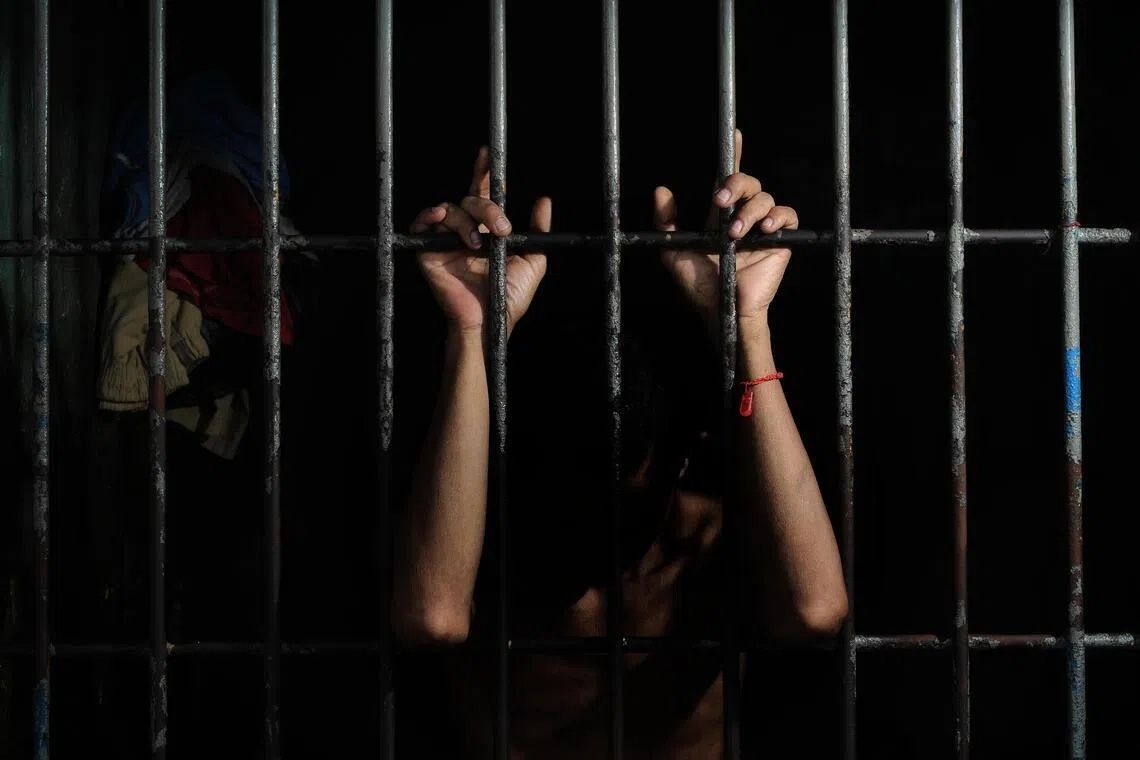
A Japanese mother has filed a lawsuit demanding compensation from the state following the death of her 16-year-old daughter, whose body bore the devastating physical toll of prolonged detention and aggressive interrogation tactics by police authorities. The case, filed at Kobe district court in western Japan in mid-June, underscores the ongoing human cost of a criminal justice system that critics argue systematically pressures suspects into confessions through extended pre-trial confinement, a practice colloquially known as "hostage justice."
The girl, identified by the pseudonym Runa in court documents, endured 18 days of custody in June of the previous year after being arrested for allegedly assaulting a client at a disability care facility in Hyogo region during a Valentine's Day gathering. Runa consistently maintained her innocence, explaining that she had merely attempted to prevent the patient from biting another person by gently pressing her hand against their chin. Despite this account and the ultimately trivial nature of the alleged incident, authorities subjected her to intensive interrogations while blocking family contact and restricting communication to her legal representatives.
The deterioration that followed her release was startling and irreversible. Five months after authorities abandoned the case entirely and dropped all charges, Runa had wasted away to just 20 kilograms, a skeletal frame that her mother struggled to recognise. She died in December, her young life extinguished by conditions directly traceable to her detention experience. At a press conference following the lawsuit filing, her mother expressed the anguish that motivated her legal action, stating she needed answers about why her daughter was arrested, held, and ultimately lost to complications arising from her confinement.
Japan's criminal justice architecture operates on principles vastly different from many Western legal systems, with particular emphasis placed on extracting confessions from suspects rather than building cases through independent investigation. The presumption of innocence, a cornerstone of liberal democracies, functions only weakly in practice. Advocates and international observers have repeatedly documented how prosecutors leverage extended detention—sometimes lasting weeks—as a tool to coerce admissions of guilt. Suspects who exercise their right to remain silent or maintain their innocence face the prospect of indefinite confinement, creating powerful incentives to confess regardless of actual culpability.
During Runa's ordeal, interrogators employed psychologically manipulative tactics designed to break her resolve. According to her lawyer Masahiro Sasaki, citing entries from a journal she maintained while detained, police officers confronted her with leading statements such as "You did it, didn't you? Just tell the truth." The pressure intensified when authorities threatened her with placement in a reformatory and explicitly told her she would be prevented from seeing her mother unless she confessed. These threats proved particularly effective against a vulnerable teenager already disoriented by sudden arrest and isolation.
Runa developed multiple psychiatric conditions as a direct result of her detention experience, including acute stress disorder, eating disorder, and post-traumatic stress disorder. Her physical decline accelerated during and immediately after her confinement, suggesting that the psychological trauma manifested rapidly in physiological breakdown. The complaint filed in Kobe district court argues that the decision to detain her lacked any reasonable justification. Sasaki questioned the proportionality of her arrest given her age—when detention should be used only when absolutely necessary—combined with the trivial nature of the alleged conduct and her complete absence of any prior delinquent history.
The legal team representing Runa's mother further contends that prosecutors acted improperly by seeking detention extensions on two separate occasions while simultaneously blocking her attorney's requests to the court for release. This prosecutorial overreach extended Runa's confinement until a day after she collapsed from physical deterioration and received emergency medical care at an outside hospital. Only then, following clear evidence of her medical crisis, did authorities consent to releasing her on a non-prosecution basis—effectively admitting no crime had been committed. The lawsuit seeks 100 million yen, approximately US$623,000, as compensation for her suffering and wrongful detention.
The Runa case represents merely one manifestation of a systemic problem that international human rights organisations have criticised for decades. The practice of "hostage justice" has generated numerous documented instances of wrongful conviction and prolonged incarceration based on coerced confessions. One particularly instructive example involves Iwao Hakamada, who held the grim distinction of being the world's longest-serving death-row inmate before his convictions were ultimately quashed in 2024. The Supreme Court determined that Hakamada's confessions had been extracted during what it characterised as "inhumane" interrogations, demonstrating how thoroughly the system prioritises confession over evidence-based investigation.
For Malaysian and Southeast Asian observers, the Runa case illustrates broader questions about criminal justice reform across the region. While Malaysian authorities operate under different legal frameworks, the underlying tension between procedural protections for suspects and investigative efficiency remains relevant to contemporary discussions about police powers and detention practices. The case demonstrates how inadequately safeguarded detention authority, even in a wealthy developed nation with sophisticated legal institutions, can produce tragic consequences when interrogation practices prioritise confession-extraction over genuine truth-seeking.
The Kobe District Public Prosecutors Office has thus far declined substantive comment on the lawsuit, stating only that they have not yet received official notice of the complaint. However, the filing of this suit signals growing legal challenge to practices that Japanese authorities have long defended as necessary for criminal investigation. As Runa's case proceeds through the courts, it will likely intensify pressure on Japanese policymakers to reconsider detention procedures, strengthen protections for suspects during interrogation, and fundamentally rebalance their criminal justice system toward investigation-based prosecution rather than confession-dependent case building.