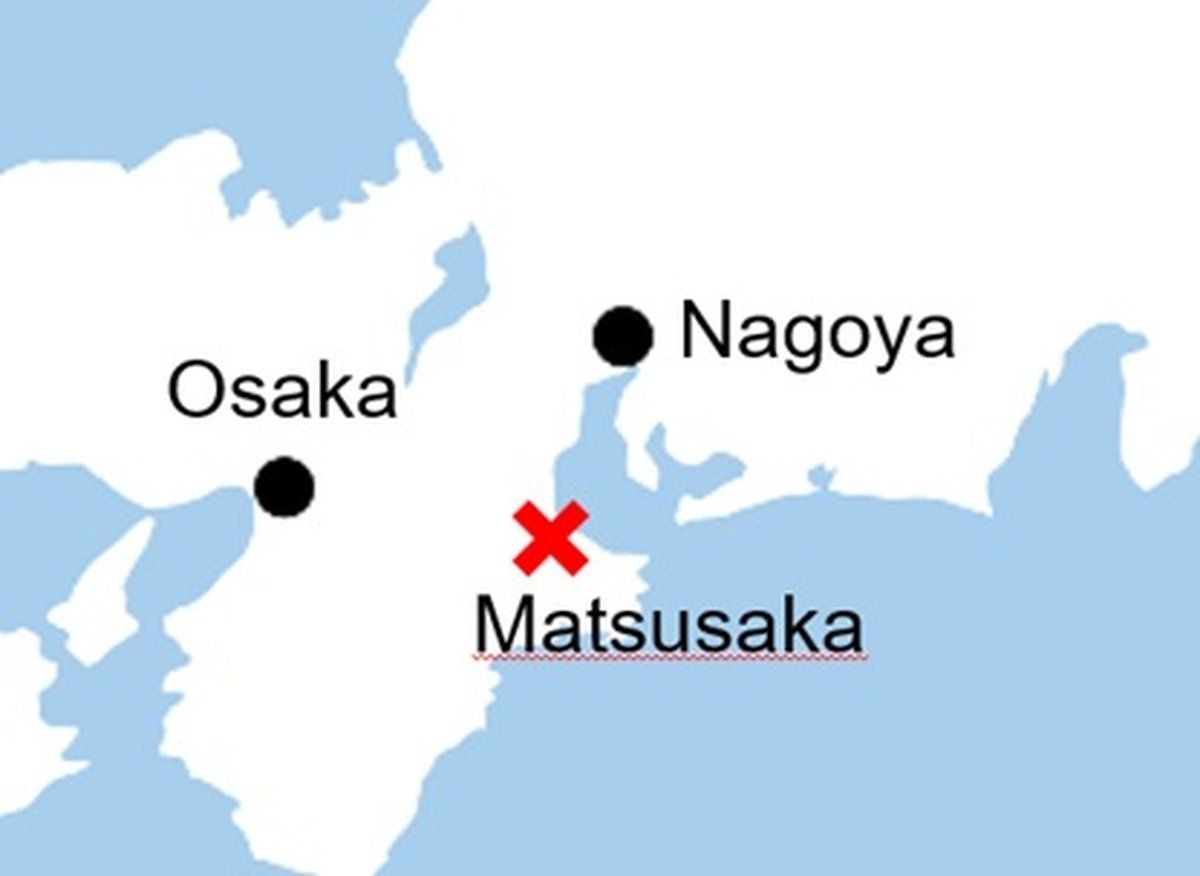
A 35-year-old resident of Matsusaka in Mie Prefecture, Japan, was taken into custody on Thursday, June 18, following allegations that he placed his partner's five-year-old daughter inside a garbage can and sealed the lid shut. The arrest came eight days after a child welfare center received notification of the incident and reported it to authorities, marking a significant milestone in child protection intervention in the case.
According to police accounts of the May 12 incident, the man removed the young girl from her surroundings at approximately 6.30 pm at his partner's residence in Mie Prefecture and transported her to the family's garbage container. He then placed her inside the bin and closed the lid, restricting her movement and access to air. The confinement lasted around five minutes before the child was removed. Throughout the ordeal, the girl remained physically unharmed, though the psychological impact of such treatment raises serious concerns about her wellbeing.
When questioned by authorities, the suspect justified his actions by characterising the act as a form of discipline. This characterisation underscores a troubling gap between what some individuals perceive as acceptable punishment and modern child welfare standards. The man's admission to police regarding his involvement in the incident has simplified the investigative process, though it does not mitigate the severity of the allegations or the harm caused to the vulnerable child.
The delayed reporting of this incident to authorities highlights the critical role of institutional vigilance in child protection systems. The girl's older sister has subsequently been placed under the protective supervision of the same child welfare centre that initially identified the concerning treatment. This extension of protective measures to a sibling suggests authorities are examining the broader family environment for signs of systematic abuse or neglect that may extend beyond this single documented incident.
The case reflects ongoing concerns within Japan regarding acceptable disciplinary practices and the treatment of children in domestic settings. Definitions of what constitutes child abuse vary significantly across different societies and generations, but modern child protection frameworks universally recognise that confinement in potentially hazardous spaces such as garbage containers—which restrict air circulation and pose physical dangers—crosses fundamental ethical and legal boundaries regardless of the perpetrator's intentions.
For Malaysian readers and observers across Southeast Asia, this case serves as a reminder of the importance of mandatory reporting systems and the role of community institutions in identifying vulnerable children. Countries in the region have increasingly strengthened their own child protection mechanisms, though implementation and awareness remain inconsistent. The involvement of a child welfare centre that proactively notified police demonstrates the value of integrated reporting structures between social services and law enforcement.
The incident also raises questions about the support systems available to adults responsible for young children and their access to parenting education or stress management resources. When caregivers resort to extreme measures such as confinement, it frequently indicates broader challenges within the household—whether financial strain, inadequate support networks, or insufficient understanding of child development and appropriate discipline methods. Addressing the root causes of such incidents requires investment in preventive programmes alongside enforcement of child protection laws.
As the investigation progresses, authorities will likely examine the relationship dynamics within the household, any prior incidents of concern, and whether other children in the home have been subjected to similar treatment. The involvement of child welfare services in both documenting and protecting the children involved will be crucial in establishing whether this represents an isolated incident or part of a pattern requiring longer-term intervention and family support.
The timing of police notification—eight days after the May 12 incident—underscores how institutional awareness and reporting timelines can affect the speed of intervention. Many child protection systems in developed nations have refined their procedures to accelerate the reporting process, yet delays still occur. For countries in Southeast Asia working to modernise their child welfare frameworks, streamlining communication between schools, medical facilities, welfare organisations, and law enforcement remains an ongoing priority to ensure vulnerable children receive prompt protection.
The man's arraignment and any subsequent legal proceedings will likely set precedents regarding acceptable discipline and the application of child protection statutes in similar cases throughout Japan. Outcomes of high-profile child welfare cases frequently influence policy discussions and public awareness regarding parental rights, state intervention, and the rights of children to protection from harmful treatment.

