Japan's mountain rescue authorities have documented a concerning surge in outdoor emergencies, with the National Police Agency reporting that 3,623 people became stranded on Japanese mountains during 2025—the highest figure since systematic record-keeping began in 1961. This marks a sharp increase of 266 cases from the prior year, signalling a troubling trend that extends beyond domestic hikers to encompass a record number of international visitors. Among those stranded, 246 were foreign nationals, a new peak since the agency began tracking such data in 2018, and a spike of 111 from the previous year.
The human toll of these incidents underscores the severity of mountain hazards across Japan's varied terrain. Police confirmed that 332 people either died or remain missing, representing a rise of 32 fatalities and disappearances compared to 2024. Additionally, 1,480 individuals sustained injuries while stranded, an increase of 90 cases year-on-year. These statistics paint a picture of increasingly perilous conditions or perhaps expanding engagement with mountainous areas without commensurate preparedness. The range of outcomes—from minor injuries to fatal outcomes—demonstrates that mountain emergencies in Japan span a spectrum of severity, though the escalating totals suggest systemic factors warrant closer examination.
Demographic patterns in the stranding data reveal a particularly vulnerable population. Senior citizens aged 60 and above represented nearly half of all cases, comprising 47.6 percent of those who became stranded. This demographic concentration reflects both Japan's ageing society and the popularity of mountain recreation among retirees seeking leisure activities. However, the prevalence of elderly hikers in stranding statistics also suggests potential gaps in preparedness, physical conditioning, or risk assessment among older adventurers. Nearly one-third of all stranding cases—accounting for 30.9 percent—occurred specifically because hikers became lost, implying that navigation challenges remain a leading cause of emergency situations.
The surge in foreign visitors encountering difficulties on Japanese mountains warrants particular attention for regional tourism stakeholders. The 111-year increase in stranded foreign nationals, reaching 246 in 2025, reflects Japan's sustained appeal as an outdoor destination while simultaneously highlighting safety challenges posed by unfamiliar terrain and language barriers. Notably, foreign visitors who became stranded overwhelmingly consisted of backcountry skiers and climbers, with 203 of the 246 cases—approximately 80 percent—involving individuals engaged in these technically demanding activities. This concentration suggests that adventure-seeking international tourists may underestimate risks or lack adequate preparation for Japan's variable mountain conditions.
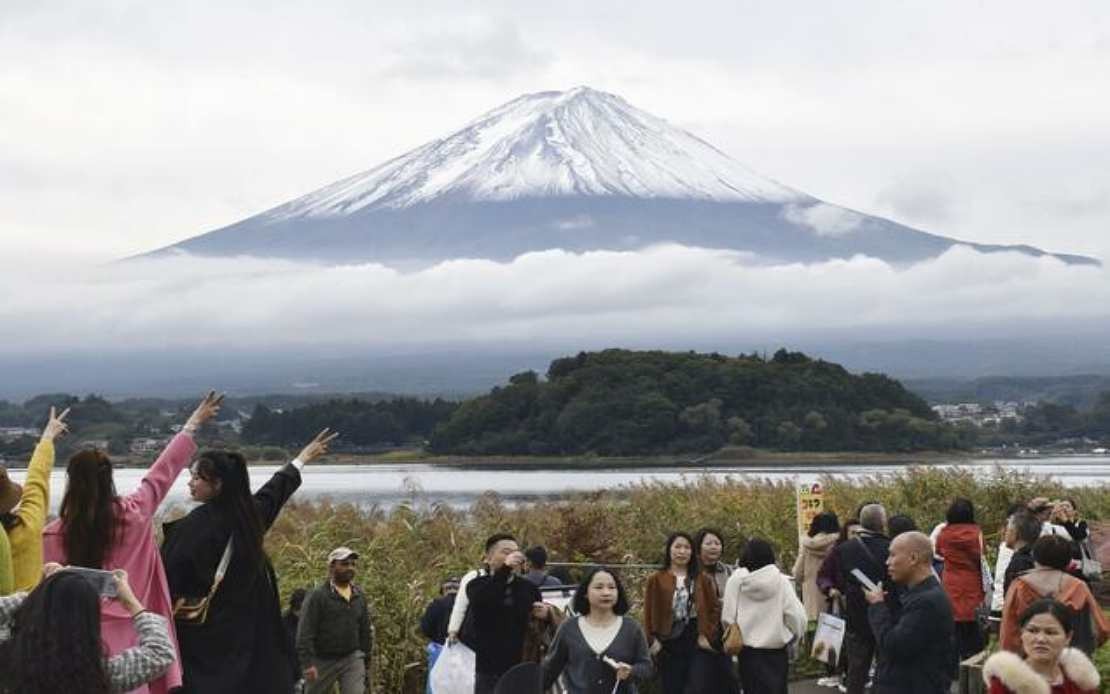
Geographically, mountain stranding incidents distributed unevenly across Japan's prefectures, with particular hotspots emerging. Nagano prefecture in central Japan recorded the most cases, totalling 358 stranding incidents during the year. Hokkaido followed with 199 cases, while Yamanashi accounted for 192. This geographic concentration reflects the accessibility and popularity of these mountainous regions as recreation destinations. Notably, Mount Fuji—Japan's iconic peak and a major draw for international climbers—experienced a decrease in stranding cases compared to its five-year average, suggesting that either improved safety measures on this famous mountain are taking effect, or hikers are increasingly venturing to lesser-known peaks where hazards may be underestimated.
The escalating stranding figures carry implications for Malaysia and other Southeast Asian nations with similar demographic and tourism patterns. As populations across the region age and outdoor recreation becomes increasingly popular among both domestic and international visitors, mountain safety challenges will likely intensify. The Japanese experience demonstrates that even well-developed nations with sophisticated rescue infrastructure continue experiencing record incidents, implying that Southeast Asian countries may face even greater challenges in managing mountain emergencies. Malaysian authorities overseeing popular climbing destinations such as Mount Kinabalu and the Titiwangsa Range would benefit from analysing Japan's data to preempt similar trends.
The rising prevalence of stranding cases suggests multiple interconnected factors may be driving the trend upward. Increased accessibility through improved transportation infrastructure has made mountainous areas more reachable for casual recreationalists without specialised experience. The popularity of social media documentation may incentivise risky behaviour or visits during suboptimal conditions. Weather pattern shifts associated with climate change could be creating unexpected hazards. Meanwhile, demographic shifts towards an older population engaging in outdoor pursuits without corresponding risk assessments appear to be a significant contributor. Japanese authorities have systematically recorded these incidents since 1961, providing a robust dataset that reveals this is not a temporary anomaly but rather an accelerating phenomenon.
Rescue operations pose escalating challenges for Japanese emergency services as incident volumes surge. Higher caseloads strain limited rescue resources, potentially compromising response times and recovery outcomes for individuals in the most critical situations. The 332 deaths and disappearances documented in 2025 represent a particularly tragic dimension of this crisis, though it is worth noting that this figure represents approximately 9.2 percent of total stranding cases, suggesting that most incidents terminate with successful rescues. Nevertheless, the absolute numbers of fatalities demonstrate the real dangers involved. Emergency services across Japan must balance rapid response capabilities with realistic resource limitations as stranding cases continue climbing.
Looking forward, Japan's experience suggests that mountain safety requires multifaceted approaches extending beyond rescue capacity. Public education campaigns targeting older hikers could emphasise preparation, conditioning, and risk assessment. Mandatory safety briefings for foreign visitors attempting technical climbs would address language and cultural barriers. Infrastructure improvements—such as enhanced signage, satellite communication systems, and strategic rescue helicopter positioning—could reduce response times. Tourist operators and mountain guides bear responsibility for ensuring clients understand hazards and possess appropriate equipment. The record-breaking 2025 statistics should serve as an urgent catalyst for comprehensive policy reviews and preventive strategies across Japan and throughout the region.

