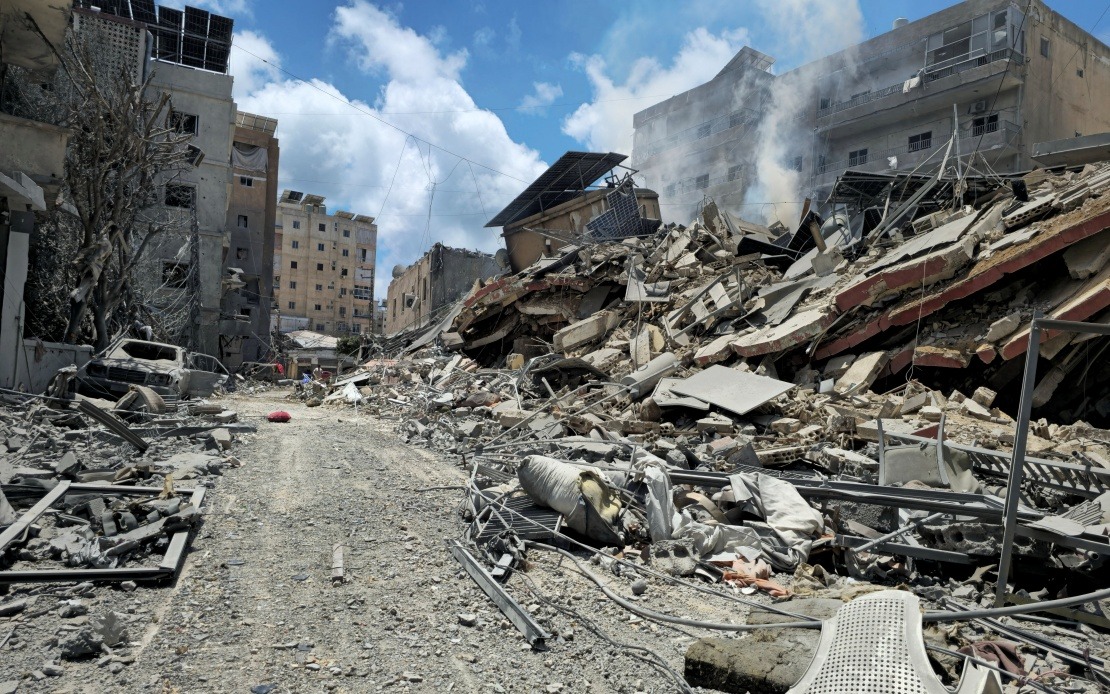
Japan is extending a comprehensive humanitarian lifeline worth US$15 million to address critical humanitarian emergencies across West Asia, recognising the region's escalating vulnerability to conflict-related suffering. Foreign Minister Toshimitsu Motegi announced the decision on Friday, signalling Tokyo's commitment to alleviating immediate human suffering amid ongoing regional instability. The aid package underscores Japan's strategic interest in stabilising one of the world's most geopolitically sensitive areas, through which critical energy supplies and international trade routes pass.
The bulk of Japan's relief effort—approximately US$10 million—will flow to Iran, a nation experiencing severe humanitarian strain from protracted conflict and international isolation. This allocation reflects Tokyo's assessment that Iran faces the most acute humanitarian challenges among the three beneficiaries. The remaining resources are divided between Lebanon, receiving US$4 million, and the Palestinian territories in the West Bank, allocated US$1 million. Each of these communities confronts compounding crises driven by conflict, displacement, economic collapse, and restricted access to essential services.
The assistance will be channeled through established international humanitarian organisations rather than direct government-to-government transfers, a mechanism that allows Japan to ensure aid reaches vulnerable populations while maintaining diplomatic flexibility. This approach aligns with United Nations coordination frameworks and maximises the impact of limited resources by leveraging existing supply chains and field operations already embedded within affected regions. The funds will procure food supplies, medical equipment, and pharmaceuticals—the most critical immediate needs when healthcare infrastructure collapses and food insecurity becomes acute.
For Malaysia and other Southeast Asian nations, Japan's proactive humanitarian engagement demonstrates a template for middle-power diplomacy in volatile regions. Rather than choosing partisan positions in Middle Eastern conflicts, Japan positions itself as a neutral humanitarian actor concerned primarily with alleviating civilian suffering. This stance carries particular resonance in Southeast Asia, where countries navigate similarly complex geopolitical environments and must balance relationships with multiple international powers without compromising regional stability or security.
Motegi's public remarks emphasised that stability and peace in the Middle East represent vital interests for Japan, a position rooted in both economic and security considerations. Japan depends heavily on Middle Eastern oil and liquefied natural gas to fuel its economy; regional instability directly threatens energy security for Tokyo and drives up global commodity prices that ripple through Southeast Asian economies as well. Disrupted shipping lanes through the Persian Gulf and Red Sea create cascading consequences for trade throughout Asia-Pacific, making Middle Eastern stability a genuinely regional concern rather than a distant geopolitical abstraction.
Iran's humanitarian situation has deteriorated sharply due to comprehensive international sanctions, currency collapse, and infrastructure damage from military conflicts. Hospitals lack essential medicines, malnutrition rates climb among vulnerable populations, and basic sanitation systems fail. Japan's US$10 million allocation, while modest in absolute terms, carries symbolic weight by acknowledging Iran's humanitarian emergency regardless of political tensions. This demonstrates Tokyo's conviction that humanitarian assistance transcends diplomatic disagreements.
Lebanon faces a distinct but equally severe crisis, where economic freefall has destroyed purchasing power and pushed three-quarters of the population into poverty. The country's healthcare system has essentially ceased functioning, with hospitals unable to operate due to fuel shortages and unpaid staff. Japan's US$4 million contribution can provide immediate relief but cannot address Lebanon's structural economic collapse, which demands comprehensive international financial restructuring and political reform.
The Palestinian territories experience an ongoing humanitarian emergency characterised by restricted movement, limited economic opportunity, and vulnerability to periodic escalations in violence. While US$1 million is the smallest component of Japan's aid package, it signals recognition that Palestinian populations deserve humanitarian consideration independent of broader Middle Eastern geopolitical calculations. The funds will address immediate survival needs until comprehensive political solutions can be negotiated.
Motegi reiterated Japan's commitment to sustained engagement with affected nations and international organisations, suggesting this US$15 million represents an initial tranche rather than a final comprehensive response. Japan intends to coordinate with allies and multilateral bodies to prevent humanitarian crises from spiralling further while maintaining its core position that only political negotiation can resolve underlying conflicts. This balanced approach—immediate humanitarian relief paired with long-term peace-building commitment—reflects Japan's diplomatic maturity and recognition that short-term aid cannot substitute for durable political solutions.
The announcement carries implications for regional donors and international humanitarian architecture. Japan's willingness to provide assistance to Iran despite US pressure demonstrates that middle powers retain capacity to shape humanitarian policy independently. For Southeast Asian governments, Japan's example suggests that principled humanitarian engagement need not entail choosing between great-power blocs, but rather can constitute an independent diplomatic strategy rooted in universal humanitarian values and legitimate national interests in regional stability.

