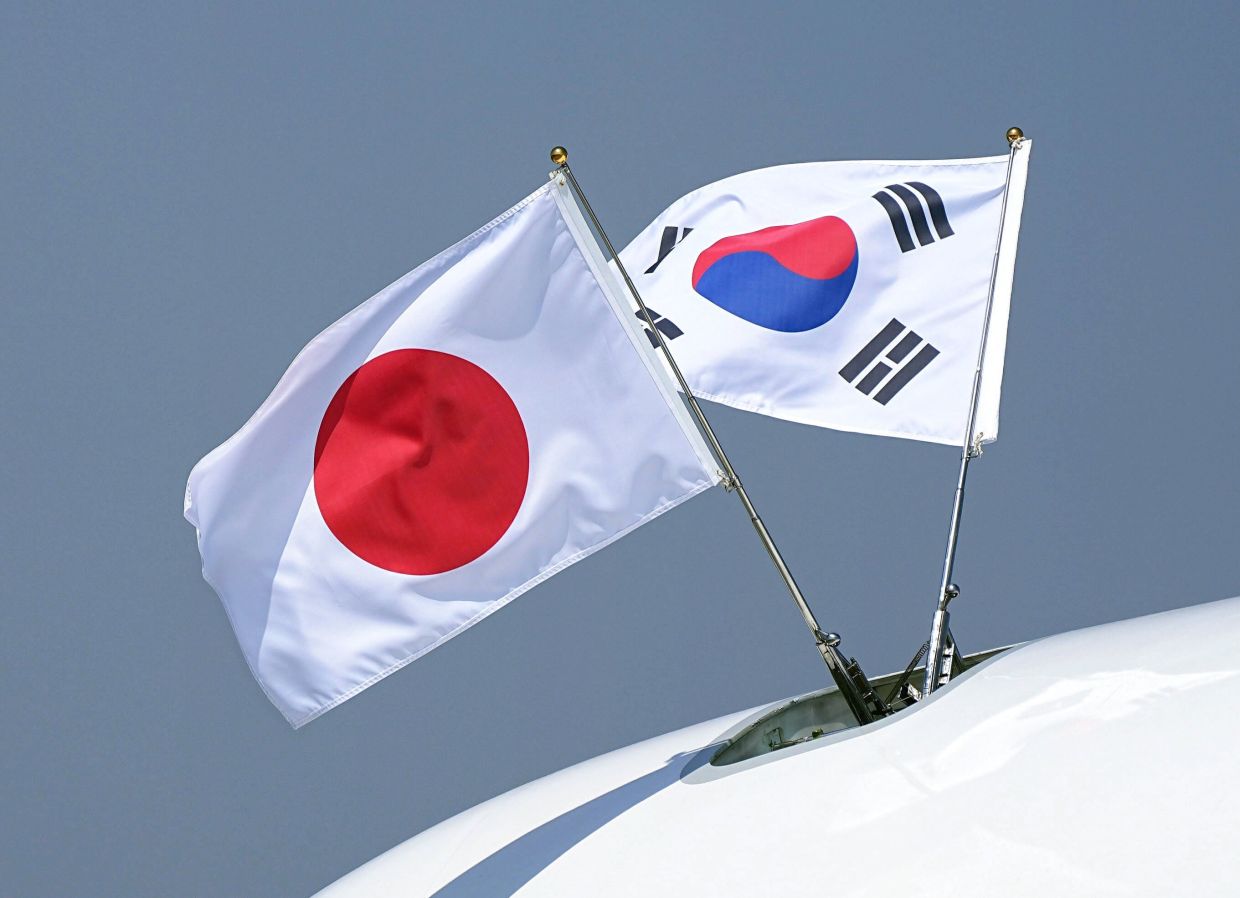
Strategic elites across Japan and South Korea remain firmly opposed to their nations acquiring nuclear weapons, according to a comprehensive survey by the Center for Strategic and International Studies released Thursday, yet researchers have identified a critical vulnerability: should either country shift policy, support in the other could spike dramatically, with consequences potentially exceeding those of any reduction in United States military presence in the region.
The CSIS survey, led by Victor Cha, president of the geopolitics and foreign policy department and Korea chair, alongside Kristi Govella, senior adviser and Japan chair, polled current and former government officials, parliamentarians, academics, think tank experts, and corporate executives through late October. The findings paint a picture of restraint among decision-makers that contrasts sharply with growing public anxiety over security threats.
Three-quarters of South Korean strategic elites and nearly 80 per cent of their Japanese counterparts expressed opposition to or uncertainty about nuclear weapons acquisition. This elite consensus might appear reassuring until viewed against the backdrop of divergent public opinion, particularly in Seoul. A 2024 poll commissioned by the Chey Institute for Advanced Studies and conducted by Gallup revealed that over 72 per cent of South Koreans support their country obtaining nuclear weapons—a substantial gap between elite caution and public appetite that deserves careful attention from policymakers.
Japan's landscape differs markedly. Govella noted that Japanese public opinion aligns more closely with elite sentiment, with approximately 80 per cent opposing nuclear armament. Media reports have sometimes overstated the momentum within Japanese decision-making circles toward nuclear weapons development, she cautioned, suggesting that discussion in Tokyo has been portrayed as more serious than substantive evidence warrants. This relative alignment between Japanese public and elite opinion may provide greater stability, though it does not eliminate underlying vulnerabilities.
The survey identified a critical instability mechanism: policy reversals in neighbouring countries could rapidly erode the current consensus. This finding holds particular relevance given the region's strategic tensions. South Korean respondents supporting nuclear weapons primarily cited the need to counter North Korea's expanding arsenal, while Japanese supporters were most concerned about the reliability of long-term American security commitments. These divergent threat perceptions suggest that different triggers could unleash proliferation pressures in each nation.
The timing of the CSIS research coincides with intensifying United States diplomatic engagement on nuclear matters. Washington held bilateral nuclear cooperation meetings in Seoul and extended deterrence discussions in Tokyo earlier this month, reflecting American efforts to reassure allies while managing proliferation risks. These conversations occur against a backdrop of Beijing's repeated accusations that Tokyo is pursuing "remilitarisation," including nuclear weapons capability—charges Japanese officials dispute but which heighten regional temperature.
Meanwhile, American officials are signalling a more aggressive nuclear posture themselves. Brandon Williams, under secretary for nuclear security at the Department of Energy, announced Thursday that the United States must accelerate nuclear weapons production to counter unnamed adversaries, with his agency investing US$600 million in artificial intelligence this year to digitalise nuclear weapons design and compressed the traditional decade-and-a-half timeline for deploying new systems. In parallel discussions, CSIS experts advocated that the United States reconsider its policy of equipping hypersonic weapons exclusively with conventional warheads, arguing that nuclear hypersonic options would enhance deterrence credibility and complicate adversarial calculations.
Heather Williams, director of the CSIS project on nuclear issues, contended that "nuclear hypersonic weapons should absolutely be in the mix" to diversify American strike options and strengthen reassurance to allies. This formulation captures a central tension in contemporary nuclear strategy: policymakers in Washington argue that a more credible and diversified American nuclear force actually reduces ally proliferation incentives by providing genuine security guarantees. The CSIS survey lends credence to this logic, suggesting that assured allies prove less inclined to pursue independent nuclear capability.
For Malaysia and Southeast Asia more broadly, these developments carry significant implications. A nuclear-armed South Korea or Japan would fundamentally alter the region's security architecture, potentially accelerating proliferation pressures throughout Asia and complicating consensus-building on regional stability mechanisms. The current survey offers a narrow window to understand and influence elite opinion in both countries before public anxiety and strategic competition potentially overwhelm restraint.
The survey's most sobering finding remains the cascade risk: the moment either Japan or South Korea reverses policy, support in the other nation could rise "rapidly," potentially initiating a self-reinforcing cycle that regional diplomacy might struggle to reverse. CSIS experts assessed that such a move could dwarf the destabilising effects of reduced American troop levels, suggesting that proliferation in northeast Asia would reorder the entire regional balance. With neither country currently pursuing weapons and both elites expressing opposition, the international community possesses a critical opportunity to reinforce restraint through credible security guarantees and diplomatic channels before calculations shift.
The contrast between elite restraint and public anxiety in South Korea, coupled with American efforts to modernise its own arsenal while simultaneously reassuring allies, creates an unstable equilibrium. Regional actors—particularly Malaysia and other ASEAN members—should monitor these dynamics closely, as developments in northeast Asia inevitably ripple southward through strategic calculations, arms procurement decisions, and fundamental assumptions about American reliability that underpin broader Indo-Pacific security arrangements.

