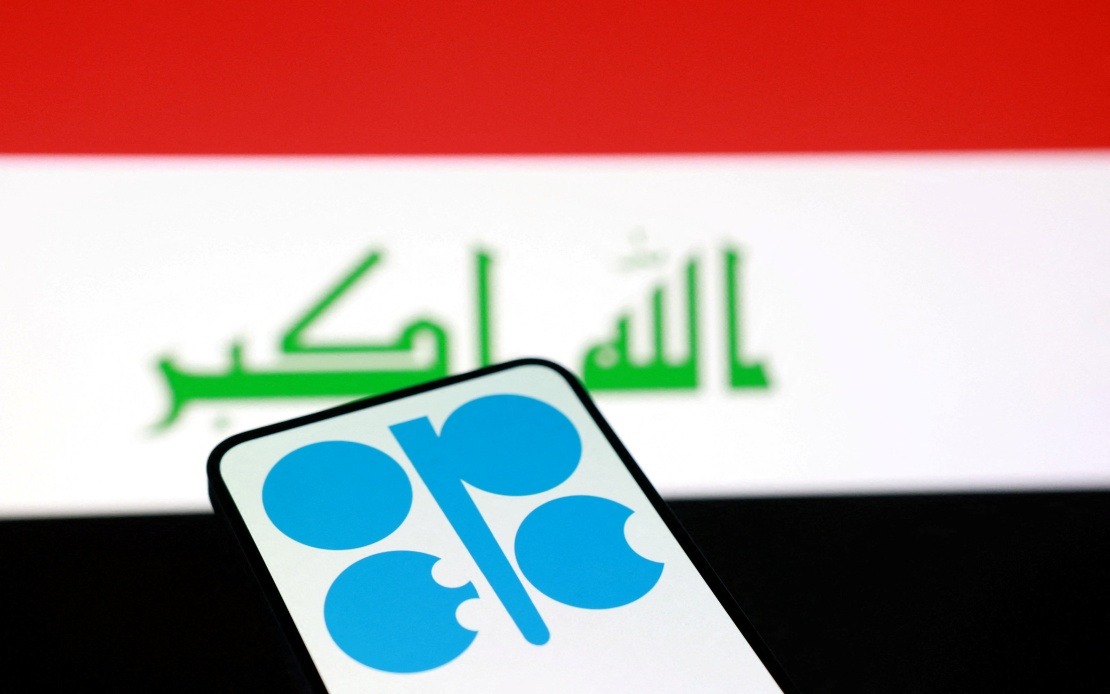
Iraq's Oil Ministry has moved swiftly to dispel speculation about a potential withdrawal from OPEC, issuing a formal denial after Bloomberg reported that Baghdad could reconsider its membership if production quotas remain unchanged. The ministry's statement, released through official channels, emphasizes that neither Prime Minister Mohammed Shia al-Sudani's government nor the country's leadership has contemplated exiting the cartel, underscoring Baghdad's continued commitment to collective decision-making within OPEC's framework and mechanisms.
While denying any threat of departure, Iraq has nonetheless articulated a clear and consistent position on production ceilings that carries significant implications for OPEC's future output strategy. The ministry contends that the organization must conduct a thorough reassessment of member production quotas to align with each country's genuine sustainable production capacity, taking into account the unique circumstances facing individual members. For Iraq specifically, this argument gains weight when considering the nation's decades-long struggle with conflict, international sanctions, and repeated infrastructure damage that has constrained its ability to realize its full hydrocarbon potential.
Oil Ministry spokesman Salim Al-Rikabi, as cited by international media, has clarified that Iraq harbors no immediate intention of abandoning OPEC but remains determined to advance its production expansion plans. The spokesman emphasized that Baghdad will continue operating within established OPEC protocols while simultaneously pursuing output growth that corresponds with the country's developing capabilities and mounting economic requirements. This positioning reflects Iraq's delicate balancing act between maintaining solidarity with fellow OPEC members and pursuing national interests in energy production and fiscal recovery.
The timing of Iraq's clarification proves significant given the broader context of OPEC's internal dynamics and the challenges facing the cartel. The organization and its allied producers, which include Russia under the OPEC+ framework, have already initiated a technical process to evaluate each member state's maximum sustainable production capacity. This assessment involves collaboration with an independent international consulting firm and incorporates active participation from Iraq, suggesting that Baghdad's concerns are being taken seriously within OPEC's decision-making structure. The exercise represents an acknowledgment that historical production quotas may not accurately reflect current technical and economic realities.
Iraq's argument for quota recalibration draws considerable strength from its historical significance within OPEC and the Middle East energy landscape. The country has historically served as OPEC's second-largest oil producer, a position it lost due to the cascading effects of regional conflicts, the 2003 invasion, the subsequent insurgency, and the Islamic State occupation of major oil-producing territories. The ministry contends that recognizing Iraq's "special situation" requires the organization to facilitate a return to production levels commensurate with the nation's standing as a founding member and traditional major supplier. This framing transforms the quota discussion from a narrow technical matter into a question of equity and historical justice within the cartel.
The broader framework of OPEC+ production management has undergone significant evolution in recent years, with voluntary production cuts implemented to support global oil prices during periods of market weakness. OPEC and its allied producers have commenced a gradual restoration of previously reduced output levels, with full normalization of voluntary cuts anticipated over the coming months. This staged approach toward increased production offers a pathway through which Iraq's quota elevation could occur without creating market disruption or provoking resistance from other member states concerned about price stability.
The technical review of sustainable production capacity carries particular importance for Iraq's long-term positioning within OPEC. By commissioning an independent assessment of each member's true pumping potential, the organization effectively depoliticizes quota discussions and grounds them in objective technical analysis rather than historical allocations or political negotiations. For Iraq, this mechanism could support the case that its current quota significantly underestimates its actual productive capability, particularly as the country completes reconstruction of damaged infrastructure and expands upstream development.
Iraq's emphasis on member state understanding of its "special situation" reflects broader recognition within OPEC that Iraq's development trajectory differs fundamentally from most other producers. The country has endured over four decades of cumulative warfare, international embargoes, and sustained infrastructure destruction that continues to constrain production even as security conditions improve. The ministry's reference to terrorist sabotage attacks on oil facilities acknowledges ongoing security challenges that impose production losses unrelated to geological constraints or technical capacity. This narrative positions Iraq's quota concerns as a legitimate response to circumstances beyond the nation's control rather than aggressive commercial positioning.
For Malaysia and other Southeast Asian oil-consuming nations, Iraq's push for higher OPEC production quotas carries direct implications for energy security and import costs. If Iraq succeeds in expanding output significantly, additional crude entering global markets could exert downward pressure on prices, benefiting importing countries. However, the dynamics of OPEC quota management remain complex, and other producer states may resist Iraqi expansion if it threatens price stability or requires corresponding cuts elsewhere. The outcome of OPEC's capacity assessment will therefore merit close monitoring by regional energy officials seeking to understand future crude supply scenarios and pricing trends.
The ministry's reiteration of Iraq's commitment to OPEC despite quota frustrations underscores the cartel's continued relevance in global energy geopolitics. Even as member states press for adjustments reflecting their individual interests, they remain fundamentally invested in the organization's framework rather than seeking unilateral action. This suggests that while tensions over production allocation will persist, OPEC's institutional mechanisms can accommodate legitimate grievances through technical assessment and graduated adjustment rather than confrontation or withdrawal.
Looking ahead, the completion of the independent capacity review and its translation into revised production targets for 2027 will significantly shape OPEC's output trajectory and Iraq's standing within the organization. The process offers Baghdad an opportunity to make its case for quota elevation through technical rather than political channels, potentially defusing some of the tensions implicit in earlier speculation about possible withdrawal. For global energy markets, Iraq's successful reintegration as a major producer would add meaningful crude supply capacity precisely as the world continues managing the energy transition and demand uncertainties.

