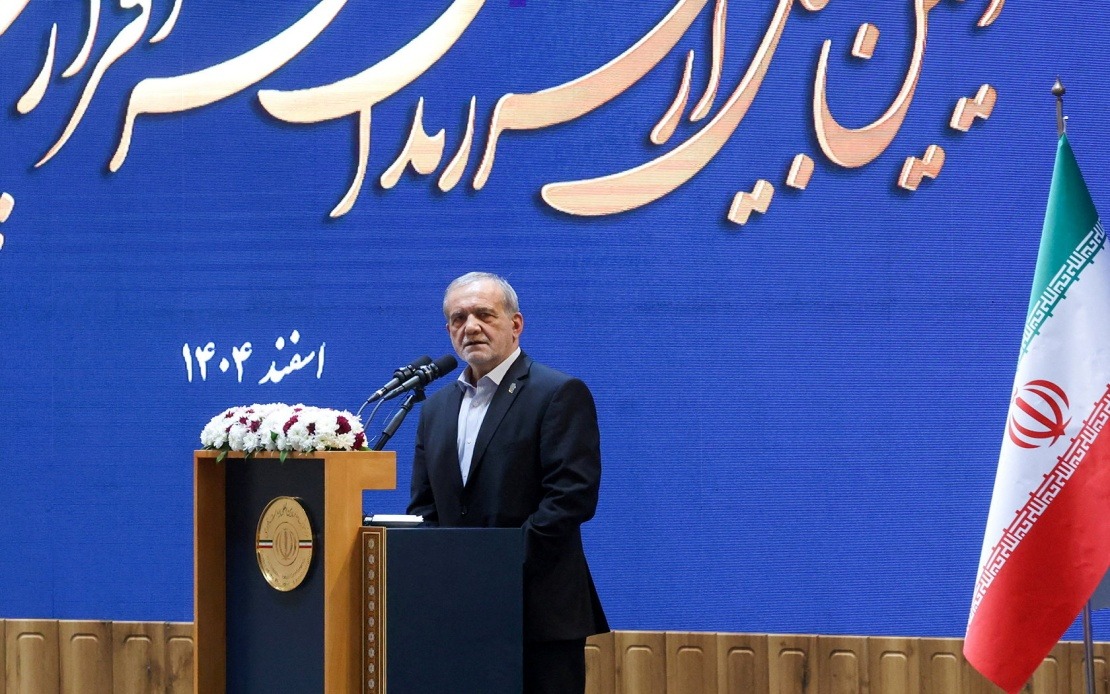
Iranian President Masoud Pezeshkian has signalled a significant shift in Tehran's negotiating posture by suggesting his government may be prepared to formally codify its commitment against developing nuclear weapons through a written declaration. The statement, made on June 21, marks a notable diplomatic gesture as both nations navigate complex discussions aimed at resolving one of the world's most contentious geopolitical standoffs. The announcement arrives amid active bilateral talks that commenced in Switzerland on Sunday, where Iranian and American representatives are working to establish the foundations of a comprehensive, long-term settlement following the recent signing of a memorandum of understanding between the parties.
Pezeshkian's comments reflect an apparent willingness to translate Iran's longstanding verbal assurances regarding its nuclear intentions into documentary form. In his remarks, the Iranian leader stated that Tehran could commit in writing to abandoning any ambitions toward nuclear weapons development, potentially addressing a fundamental concern that has underpinned Western suspicion toward Iran's nuclear programme for decades. This prospect of formalised commitment represents a notable diplomatic maneuver, as it moves beyond rhetorical declarations and into legally binding or at least formally recorded territory, though Pezeshkian stopped short of confirming whether such a written declaration constitutes an active element in current negotiations.
The timing of Pezeshkian's statement warrants careful consideration within the broader context of the emerging diplomatic framework. Both nations endorsed a memorandum of understanding earlier in the week that established a 60-day timeline for reaching a final comprehensive agreement on Iran's nuclear programme. This compressed schedule reflects the urgency both sides attach to resolving disputes that have festered for years, causing tremendous economic damage to Iran through international sanctions while simultaneously keeping global energy markets and regional security in a constant state of uncertainty. The framework agreement itself signals a departure from the adversarial positions that had calcified following the breakdown of previous diplomatic efforts.
Pezeshkian emphasised continuity with the religious and ideological foundations of Iran's nuclear policy, invoking the position of former Supreme Leader Ali Khamenei, who was killed in recent US-Israeli military strikes at the beginning of the conflict. According to the Iranian president, Khamenei had consistently rejected weapons of mass destruction development on religious grounds, arguing that Islamic law and theological principles prohibit such weapons. This invocation of religious authority provides an alternative moral framework for Iran's nuclear restraint, one that operates independently of international law or pressure. By grounding Iran's position in Islamic jurisprudence rather than mere diplomatic necessity, Pezeshkian attempts to depict the renunciation of nuclear weapons as an expression of fundamental values rather than capitulation to external coercion.
Iran's political establishment has maintained with considerable consistency that the nation harbours no intentions of acquiring nuclear weapons, a position that remains contested by Western intelligence agencies and international observers who have documented extensive nuclear research and uranium enrichment activities. The gap between Tehran's stated intentions and the actual trajectory of its nuclear programme has become a central point of contention in these negotiations. A written declaration would theoretically provide an additional layer of commitment, though its practical enforceability and verification would depend heavily on the mechanisms established within any final agreement. The psychological and diplomatic significance of such a document may ultimately prove as important as its technical content.
Regional implications of these negotiations extend far beyond the immediate concerns of the primary parties involved. Southeast Asian nations, including Malaysia, maintain substantial economic interests in Middle Eastern stability and energy security. Any resolution that reduces the likelihood of military confrontation in the region would have beneficial spillover effects on global trade routes, petroleum markets, and the broader international security environment upon which Southeast Asian prosperity depends. Conversely, renewed escalation in Iran-US tensions would disrupt shipping lanes vital to regional commerce and potentially draw additional powers into Middle Eastern conflicts.
Pezeshkian expressed confidence that current negotiations are proceeding in directions favourable to Iranian interests, characterising the agreements reached thus far as fundamentally advantageous to Tehran. This positive framing suggests the Iranian leadership views the diplomatic process as genuinely reciprocal rather than a surrender to external demands. The president identified the potential release of $6 billion in Iranian government assets currently frozen in Qatari banking institutions as an immediate concrete benefit that could flow from continued negotiating progress. This sum represents a significant financial injection into Iran's deteriorating economy, providing resources for both public welfare and continued state operations.
The frozen assets represent payments Iran received for oil exports before international sanctions tightened, and their release would constitute the first meaningful sanctions relief since diplomatic talks resumed. This financial dimension addresses a fundamental Iranian concern: that any agreement must deliver tangible economic benefits that justify the political costs of nuclear concessions within Iran's domestic politics. Supreme leaders and hardline factions within Iran's religious and military establishment have historically opposed nuclear agreements they perceived as unequal exchanges, and Pezeshkian's emphasis on economic gains appears designed to build consensus around potential compromises.
The 60-day timeline established in the preliminary framework presents a formidable challenge to negotiators on both sides. Previous attempts at comprehensive nuclear agreements have required years of incremental progress, with setbacks and disagreements delaying final resolutions. Compressed timelines can produce either decisive breakthroughs when genuine political will exists or hollow agreements that collapse under scrutiny. The willingness of both Iranian and American negotiators to accept such a demanding schedule suggests serious intent, though significant obstacles undoubtedly remain regarding inspection regimes, sanctions relief sequencing, and ballistic missile programmes.
For Malaysian policymakers and regional observers, these negotiations merit close attention because their outcome will significantly influence Middle Eastern trajectory for years to come. A successful agreement reducing Iran's nuclear capabilities while reintegrating Iran into global economic structures could foster regional stability and reduce the risk of destabilising military interventions. Conversely, failure would likely reinforce hardline positions on both sides and increase the probability of eventual military confrontation. The written declaration concept that Pezeshkian introduced represents one potential confidence-building mechanism among several that may ultimately prove necessary to construct a durable, comprehensive settlement.

