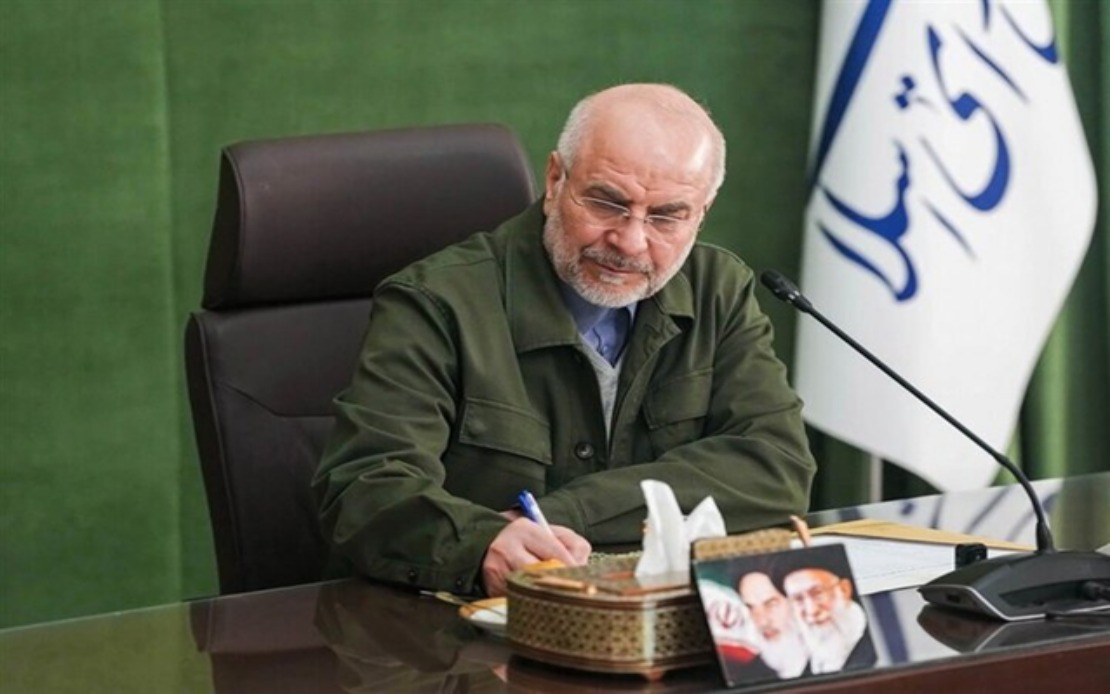
Tensions between Iran and the United States have resurfaced over the intended use of Tehran's unfrozen assets, with Iranian Parliament Speaker Mohammad Bagher Ghalibaf dismissing assertions from American officials on Thursday that the released funds would flow toward purchasing US farm products. The disagreement underscores deeper mistrust persisting between the two nations despite their recent commitment to negotiate a comprehensive settlement on Iran's nuclear programme and the removal of international sanctions.
Ghalibaf, who serves as Iran's top negotiator in ongoing discussions with Washington, posted on social media that the American position was fundamentally false. He characterised the US claim with a metaphorical statement suggesting that Iran's only harvest would stem from the legacy of distrust planted by decades of bilateral hostility. The remark reflects Tehran's broader narrative that decades of sanctions and geopolitical confrontation have poisoned relations beyond simple commercial arrangements.
The latest dispute emerged after US Vice President JD Vance claimed on Monday that Tehran could deploy the unfrozen assets to acquire American soybeans, corn, and wheat. President Donald Trump escalated the assertion two days later by stating that the funds would be held in a US-controlled escrow account and allocated exclusively to purchasing US food and medical supplies. Such conditions would represent an unprecedented constraint on Iranian sovereignty over its own financial resources, a position that has prompted immediate and forceful pushback from multiple Iranian officials.
Iranian Foreign Ministry spokesperson Esmaeil Baghaei responded on Tuesday by asserting that his country would deploy the unfrozen assets entirely in accordance with national interests and without external restrictions. He emphasised that purchasing decisions would depend solely on competitive pricing and product quality, suggesting Iran would source goods from the most advantageous suppliers globally rather than defaulting to American vendors. This position reaffirms Iran's insistence on economic autonomy in deploying recovered capital.
Addressing the question more directly, Iran's Central Bank Governor Abdolnaser Hemmati stated categorically that Tehran bears no legal or moral obligation to purchase US agricultural commodities. However, he left the door slightly ajar by acknowledging that Iranian buyers would consider American products if they offered superior value and pricing compared to alternatives available from other trading partners. His qualified stance suggests that commercial logic rather than political preference would guide actual purchasing behaviour.
The disagreement carries implications extending beyond Iran's immediate spending plans. The conflicting positions reveal how negotiations ostensibly aimed at resolving nuclear and sanctions issues remain entangled with competing visions of economic leverage and sovereign independence. Washington appears intent on converting sanctions relief into a mechanism for boosting American agricultural exports, while Tehran views such conditions as an infringement on the restoration of its legitimate economic rights. This fundamental disconnect threatens to complicate efforts to finalise a comprehensive agreement.
The two sides formalised their commitment to pursue negotiations through a memorandum of understanding signed on June 18, establishing a 60-day window for achieving a final accord on Iran's nuclear programme and the removal of sanctions. This framework was supposed to create space for structured diplomacy away from inflammatory rhetoric and unilateral demands. The most recent round of talks took place in Switzerland over the weekend, suggesting that substantive engagement remains underway despite the public quarrels over asset deployment.
For regional observers, including Malaysia and other Southeast Asian nations with economic interests in Iran, the dispute illustrates how easily technical negotiations can unravel when fundamental principles of sovereignty and reciprocal respect are questioned. Many developing countries have grown weary of sanctions regimes that effectively constrain their trading partners and limit their own commercial opportunities. Iran's resistance to conditions on spending frozen assets reflects broader global frustrations with how wealthy nations leverage financial systems to impose political outcomes.
The timing of these public exchanges matters strategically. By allowing officials to articulate competing positions so clearly, both Tehran and Washington may be signalling their respective bottom lines to domestic constituencies and international observers. Iran is demonstrating resolve to its parliamentary base and the public that it will not accept humiliating conditions; the United States is showing domestic agricultural interests that it continues pursuing advantageous terms. Such posturing often precedes the behind-scenes compromises necessary to reach actual agreements.
Moreover, the unfrozen assets themselves represent only a fraction of the total sanctions burden that Iran has endured. The broader architecture of international financial restrictions remains in place, and resolving the nuclear dispute would require negotiated steps toward comprehensive sanctions relief. The present disagreement suggests that even when specific funds are released, conflicts over usage rights and conditionality will persist throughout any normalisation process, potentially setting precedents for how frozen assets elsewhere might be treated in future international disputes.
The standoff also reflects Washington's strategic interest in sustaining its agricultural export markets amid global trade uncertainties. American farm interests constitute a significant political constituency, and demonstrating that sanctions relief translates into new customer bases helps build domestic political support for nuclear deals with adversaries. Iran, conversely, seeks to demonstrate that sanctions relief means genuine restoration of economic sovereignty without artificial constraints benefiting particular countries or sectors.
As negotiations continue under the June 18 memorandum, the two sides will need to navigate past these declaratory positions toward practical arrangements. Success likely depends on both nations accepting that unfrozen assets will follow market logic rather than political mandates, though American negotiators will presumably attempt to structure relief packages in ways that favour their strategic interests while Tehran resists such arrangements as infringements on economic independence.

