Iran's Parliament Speaker Mohammad Bagher Qalibaf, serving as the country's chief negotiator, arrived in Oman on Monday alongside senior diplomat Abbas Araghchi to pursue consultations on a revised governance structure for the Strait of Hormuz. The high-profile visit marks a significant moment in regional diplomacy, coming immediately after intensive talks between Iranian and American representatives in Switzerland that stretched across eighteen hours.
Omani Foreign Minister Badr Albusaidi received Qalibaf upon his arrival, signalling Muscat's commitment to the diplomatic initiative. The timing of the visit proved strategically important, as Qalibaf had just concluded substantive negotiations with United States officials in Switzerland and made what Iran's state broadcaster characterised as a necessary stop in Tehran before continuing to Oman. This sequence of engagements underscores the interconnected nature of regional security discussions at present.
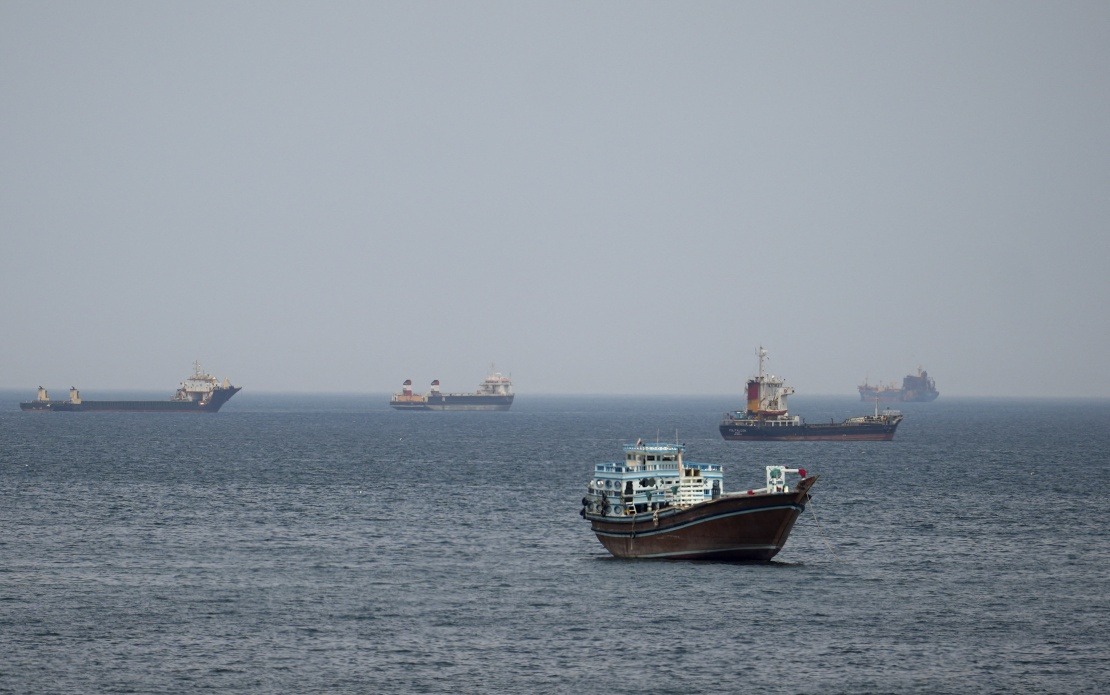
The consultation in Oman centres on developing fresh arrangements for overseeing maritime traffic and security protocols within the strategically crucial Strait of Hormuz, a waterway through which approximately one-third of global maritime oil trade transits daily. For Southeast Asian nations, including Malaysia, the stability of this passage holds profound economic implications, as disruptions to shipping could raise energy costs and destabilise regional supply chains. Any framework affecting Hormuz's management therefore warrants close attention from countries throughout Asia.
Both Tehran and Muscat emphasised their commitment to leveraging the current diplomatic opening to advance broader peace objectives throughout the region. Their joint statement highlighted the necessity of promoting de-escalation and stability while adhering strictly to international law and principles of neighbourly conduct. These measured phrases reflect a cautious optimism that differs markedly from previous periods of heightened regional tensions, though underlying uncertainties remain regarding implementation and enforcement mechanisms.
Security officials from both nations stressed the imperative of safeguarding regional stability whilst guaranteeing unimpeded navigation through the Strait of Hormuz and adjacent international waterways. This language carries particular significance given historical incidents that have occasionally disrupted maritime commerce through these passages, including mine-laying operations and ship seizures that generated global concern about freedom of navigation.
Qalibaf's participation in the Swiss talks followed months of escalating diplomatic contacts between Iran and the United States, facilitated through the mediation of Pakistan and Qatar. The eighteen-hour duration of those negotiations demonstrates the complexity of outstanding issues between Washington and Tehran, as well as the determination of both delegations to achieve substantive progress on implementing a recently established memorandum of understanding that delineates mutual commitments.
During his Oman sojourn, Qalibaf is scheduled to convene with Omani Sultan Haitham bin Tariq to deliberate on bilateral partnership expansion and coordinated approaches to regional challenges. Such high-level engagement between parliamentary leaders signals that both governments view this moment as sufficiently consequential to dedicate senior leadership attention. Sultan Haitham's involvement personalises the commitment from Oman's leadership, a sultanate that has historically cultivated diplomatic credibility through measured neutrality in regional disputes.
Oman's geographical position and diplomatic tradition make it a natural venue for such sensitive discussions. The sultanate borders Iran across the Gulf of Oman and maintains generally cordial relations with Iran's neighbours, including the United Arab Emirates and Saudi Arabia. This positioning has enabled Muscat to serve repeatedly as a discreet back-channel for dialogue when official relations between larger regional powers have deteriorated, and the current talks leverage this accumulated diplomatic capital.
For observers in Malaysia and Southeast Asia broadly, the implications extend beyond immediate Hormuz governance. A successful framework governing the strait could establish a model for multilateral maritime security cooperation that regional nations might adapt for their own strategic waterways. The South China Sea similarly demands careful navigation of competing interests and economic dependencies, making international approaches to maritime security increasingly relevant across Asia.
The recent momentum in Iran-United States diplomacy, evidenced by both the Swiss negotiations and the parallel consultations with Oman, suggests that officials across multiple capitals recognise the mutual costs of protracted confrontation. Whether this diplomatic window translates into durable institutional arrangements remains uncertain, but the engagement itself demonstrates serious investment by key players in exploring alternatives to escalation.
Successful negotiation of a Hormuz framework would require sophisticated balancing of Iranian interests in regional autonomy against international stakeholder demands for predictable access to critical shipping lanes. Oman's mediation role positions it as an honest broker capable of accommodating these competing priorities whilst preserving face for all participants, a particularly valuable function in negotiations sensitive to perceptions of capitulation or domination.
The coming weeks will reveal whether these high-level conversations yield concrete agreements on Strait governance or whether negotiations stall over technical disagreements and structural distrust. Malaysian observers would benefit from monitoring these developments closely, as any shift in Hormuz stability directly affects energy security and shipping costs throughout Southeast Asia, ultimately influencing economic conditions and consumer prices across the region.

