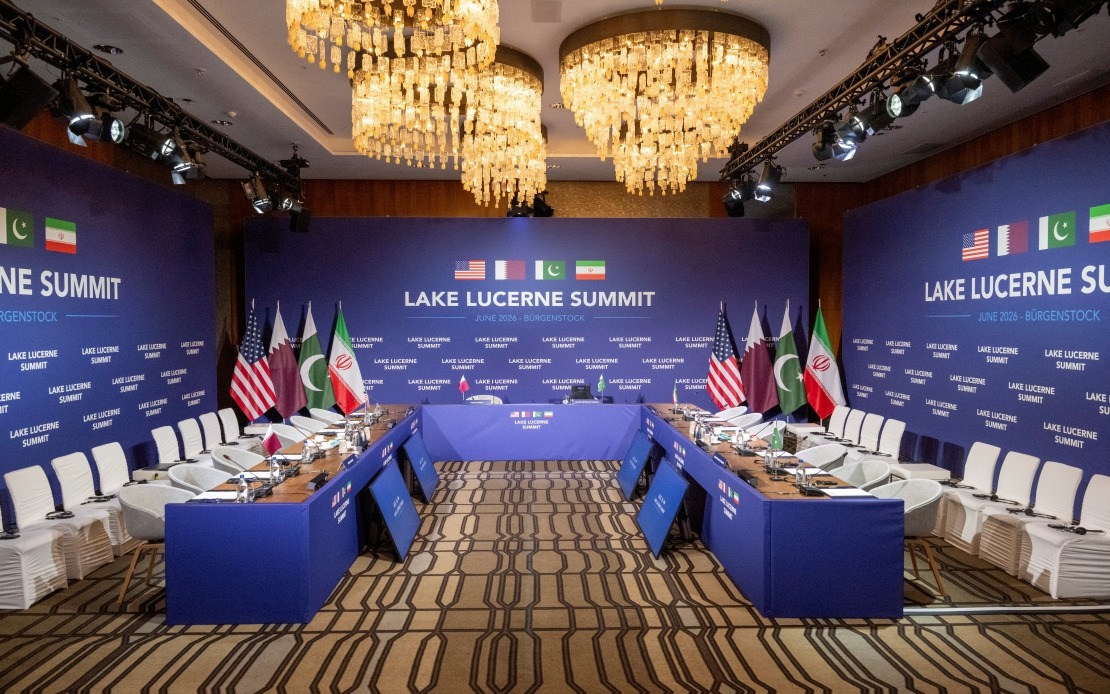
The Iranian and American delegations have moved beyond preliminary discussions into a more structured negotiating framework, establishing specialized technical groups aimed at crafting the final terms of a peace agreement. The initiative, announced by Qatari Foreign Ministry spokesperson Majed Al-Ansari, signals an escalation in the intensity and formal organization of diplomacy between the two nations, which have maintained deeply fractured relations for decades. The talks, which commenced on Sunday at the alpine resort of Burgenstock in Switzerland, represent one of the most significant diplomatic engagements between Tehran and Washington in recent years, with both sides reportedly committed to achieving a comprehensive settlement within a 60-day window.
The decision to establish dedicated technical groups reflects the complexity of the outstanding issues that must be resolved before a final agreement can be reached. These specialized committees will focus on distinct aspects of the broader memorandum of understanding that has apparently formed the foundation for the current negotiations. By compartmentalizing the work into technical domains, negotiators can develop expertise in specific areas and move forward on multiple fronts simultaneously, potentially accelerating the overall timeline. This approach allows each group to dive deeper into technical details and formulate precise language that can later be incorporated into binding legal documents.
Pakistan and Qatar have assumed prominent mediating roles in these negotiations, a positioning that reflects the geopolitical importance both nations place on achieving stability in the Middle East. Pakistan's involvement is particularly notable given its complex relationship with Iran and its historical ties to the United States, while Qatar has established itself as a key diplomatic hub hosting high-level talks between adversarial parties. The participation of these mediators suggests that neither Iran nor the US entirely trusts direct bilateral engagement, and that the presence of neutral facilitators enhances the likelihood of productive discussion by providing face-saving mechanisms and alternative channels for communication when tensions arise.
Parallel to the technical working groups, negotiators have also established monitoring committees tasked with overseeing implementation of the memorandum of understanding and tracking progress toward the final agreement. These oversight bodies serve a dual function: they maintain accountability among the parties during the negotiation phase itself and prepare the groundwork for verification mechanisms that would be essential once any deal is formally concluded. The establishment of such groups before a final agreement exists demonstrates the parties' anticipation that compliance and transparency will be critical features of any settlement, addressing long-standing mutual suspicions about adherence to international commitments.
The 60-day timeline outlined in the memorandum creates a compressed schedule that will require sustained diplomatic engagement and difficult compromises from all participants. This relatively brief window, while providing momentum and focus, also introduces pressure that could either catalyze breakthroughs or generate acrimony if negotiations stall. Historically, Middle Eastern peace processes have repeatedly exceeded their initial timeframes, suggesting that the parties involved are either remarkably optimistic about their chances or face domestic political pressures that necessitate visible progress within this specific period.
For Malaysia and other Southeast Asian nations, the implications of a successful Iran-US rapprochement extend beyond symbolic geopolitical realignment. Such an agreement could reshape regional security calculations, affect energy markets that developing economies depend upon, and alter patterns of diplomatic alignment that have prevailed throughout the post-Cold War era. Malaysia, as a significant maritime trading nation and a Muslim-majority country with interests spanning the broader Middle Eastern region, would potentially benefit from reduced tensions that could stabilize shipping lanes and lower regional conflict risks that occasionally disrupt international commerce.
The commitment to good faith negotiation articulated by Al-Ansari carries weight precisely because both Iran and the United States have frequently accused one another of diplomatic bad faith in previous encounters. The invocation of this principle at the outset of the technical phase suggests that the mediators and participating nations recognize the fragility of trust and are attempting to establish clear behavioral expectations. Good faith negotiations imply a willingness to make substantive compromises rather than merely presenting non-negotiable positions designed for domestic political consumption, a distinction that often determines whether such high-level talks yield concrete results.
The comprehensiveness aspired to in the final agreement—as emphasized in the Qatari ministry statement—indicates that negotiators are attempting to address multiple contentious issues simultaneously rather than deferring difficult questions for future resolution. This approach contrasts with incremental or phased agreements that might achieve quick wins but leave fundamental disputes unresolved. A truly comprehensive settlement between Iran and the United States would need to encompass sanctions relief, nuclear program constraints, regional proxy activities, and potentially maritime or aviation disputes, each representing complex terrain where technical details can derail broader political understanding.
The structural arrangements established at Burgenstock, with their emphasis on technical expertise and monitoring mechanisms, reflect lessons learned from previous diplomatic failures in the Middle East. Rather than relying solely on senior political figures to hammer out agreements through high-pressure summitry, the parties are building institutional mechanisms designed to sustain negotiations through periods of disagreement and establish clear protocols for implementation. This bureaucratic approach, while less dramatic than direct presidential engagement, may ultimately prove more durable by creating systems that survive individual personalities and shifting political winds.
The international dimension of these talks, with Pakistan and Qatar's formal roles, also serves to internationalize the stakes and create reputational incentives for success. Both mediating nations have invested political capital in facilitating these negotiations, and their desire to demonstrate competence in conflict resolution may encourage creative problem-solving and tireless mediation. Additionally, the involvement of third-party witnesses creates documentary evidence of procedural fairness and good faith efforts, which could prove valuable should the negotiations ultimately fail or if either party later disputes what commitments were made.
As these technical groups commence their detailed work over the coming weeks, attention will focus on whether the collaborative institutional framework can overcome the substantial substantive differences that have prevented Iran-US rapprochement for more than four decades. The establishment of working groups and monitoring committees represents necessary but insufficient conditions for success; the critical test will come when technical experts must translate political intentions into specific, binding language that both sides can accept. The 60-day countdown thus reflects not optimism alone, but also a recognition that diplomatic windows are often temporary and that sustained engagement at this level cannot be maintained indefinitely without producing tangible results.

