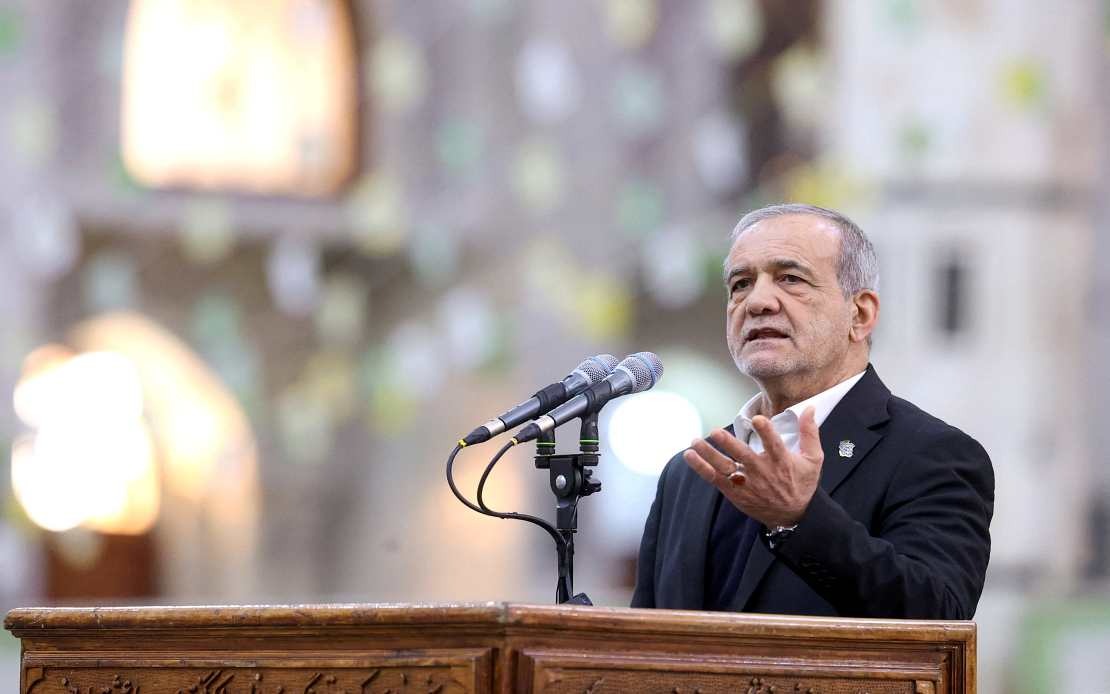
Iranian President Masoud Pezeshkian confirmed on Sunday that Tehran will receive US$6 billion in frozen assets currently held in Qatar as part of an initial agreement negotiated with the United States. The announcement came as delegations from both nations prepared for technical talks in Switzerland, signalling a potential thaw in decades of hostility between Washington and Tehran that has shaped regional geopolitics and economic relationships across the Middle East and beyond.
The Iranian leader made the declaration through state broadcaster IRIB, emphasizing that the asset release would commence once formal talks begin under the framework of a memorandum of understanding signed on Wednesday. The return of these substantial frozen funds represents one of the most concrete early benefits of the preliminary deal, addressing long-standing grievances over financial assets that have been immobilized by international sanctions and banking restrictions for years.
Pezeshkian simultaneously reaffirmed Iran's nuclear position, stating categorically that the nation would not abandon its uranium enrichment programme. This assertion underscores a fundamental demand that Tehran has maintained throughout previous negotiations, including the 2015 Joint Comprehensive Plan of Action, and signals that any comprehensive agreement will need to accommodate Iran's insistence on retaining its nuclear capabilities. The dual messaging—emphasizing economic gains while maintaining red lines on nuclear sovereignty—reflects Iran's negotiating strategy of extracting maximum concessions while protecting core national interests.
Technical negotiations are scheduled to take place in Burgenstock, Switzerland, where delegations have already arrived to begin substantive discussions aimed at resolving the protracted Middle East conflict and reopening the strategically vital Strait of Hormuz. The waterway's closure or restriction would have catastrophic consequences for global oil markets and maritime trade, making its status a central concern for international commerce and regional stability. For Southeast Asian nations, particularly Malaysia, Singapore, and other economies dependent on hydrocarbon imports, the resolution of this dispute carries direct implications for energy security and shipping costs.
The US delegation will be led by Vice President JD Vance, indicating the high-level commitment of the incoming American administration to achieving a breakthrough. On the Iranian side, negotiations will be steered by Parliament Speaker Mohammad Bagher Qalibaf and Foreign Minister Abbas Araghchi, both experienced diplomats with extensive backgrounds in international relations. The involvement of Pakistan as mediator reflects the country's strategic position as a neighbouring power with influence over both Iranian and American interests in the region.
The preliminary nature of the current agreement suggests that substantial work remains to forge a comprehensive settlement. Historical precedent from the 2015 nuclear deal illustrates how fragile such arrangements can be, particularly when they depend on maintaining political consensus across different administrations. The fact that discussions have progressed to the stage of exchanging technical delegations and releasing frozen assets indicates genuine movement, but significant obstacles likely remain regarding the full scope of sanctions relief, nuclear monitoring protocols, and regional security arrangements.
For Malaysia and other ASEAN nations, the implications extend beyond simple regional stability. Improved US-Iran relations could reshape the strategic competition for influence in the Middle East and Indian Ocean, potentially affecting military deployments, trade relationships, and security alignments that Malaysian policymakers have carefully navigated. The Strait of Hormuz's status is particularly crucial, as approximately 30 per cent of global maritime trade passes through this narrow waterway, and any disruption reverberates through Southeast Asian shipping and logistics networks.
The return of US$6 billion represents only a fraction of Iran's total frozen assets globally, with estimates suggesting tens of billions remain restricted in various international jurisdictions. Nevertheless, this initial release signals a willingness from the United States to begin unwinding sanctions mechanisms, potentially opening the door for further financial relief if negotiations progress toward a broader understanding. Such relief would have meaningful implications for Iran's ability to invest in infrastructure, technology, and economic development, with spillover effects on regional trade patterns.
The memorandum of understanding signed on Wednesday provides the legal framework for these technical negotiations, representing a significant diplomatic achievement given the historical acrimony between Washington and Tehran. The document's specificity regarding asset release and the appointment of high-level negotiating teams suggests careful preparation by both sides to ensure substantive progress rather than merely symbolic gestures. However, the involvement of Pakistan as mediator also highlights the complexity of the negotiations, as multiple regional actors have stakes in any settlement.
Observers in Southeast Asia are monitoring these developments closely, recognizing that a sustained improvement in US-Iran relations could alter long-standing patterns of regional competition and military posturing. Malaysia, which maintains diplomatic channels with both the United States and Iran, may find opportunities to enhance its role as a neutral trading partner and mediator in regional disputes. The restoration of economic ties between Iran and the West could also create new trade opportunities for Southeast Asian businesses, though this would depend on the ultimate scope and durability of any sanctions relief.
The coming weeks will prove critical in determining whether these preliminary talks yield a durable comprehensive agreement or whether technical disputes derail progress. The confirmed release of frozen assets provides immediate tangible benefits that could build momentum for further negotiations, but significant disagreements on nuclear verification, regional proxy activities, and sanctions architecture remain unresolved. Both delegations will need to demonstrate flexibility on issues that have proven intractable during previous negotiation rounds.

