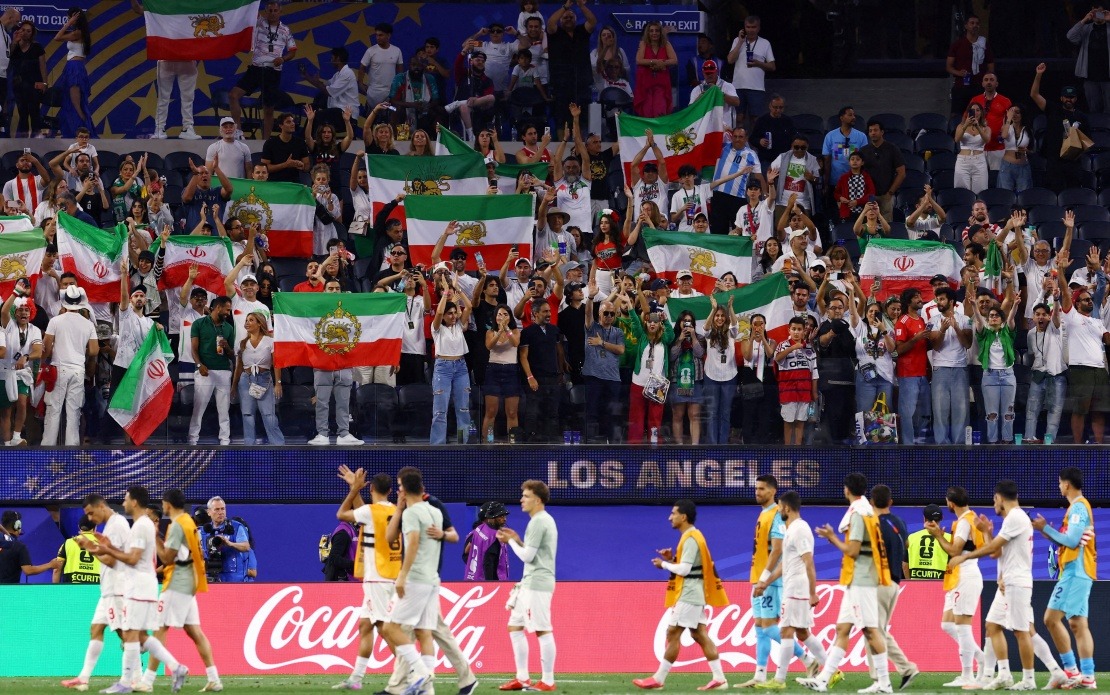
Iran's Football Federation of the Islamic Republic (FFIRI) announced Friday it will lodge a formal complaint with FIFA regarding travel restrictions imposed on the national squad during the 2026 World Cup, contending that such measures create competitive inequalities and undermine standard preparation protocols observed by other participating teams. The federation's grievance centres on limitations that permit Iranian players and staff to enter the United States only one day before scheduled fixtures, with mandatory departure on match day itself—conditions the FFIRI argues violate principles of equal treatment fundamental to international sports competition.
The immediate trigger for the complaint involves Iran's upcoming Group G encounter against Belgium on Sunday. Despite requesting a two-day advance arrival window in Los Angeles to conduct proper training sessions and acclimatise to conditions, the federation learned it would be permitted entry solely 24 hours beforehand. This compressed timeline presents logistical and tactical disadvantages, particularly compared to other squads enjoying standard lead times for preparation activities and recovery routines.
The underlying cause of these restrictions stems from broader US visa policies applicable to Iranian nationals. American authorities have imposed stringent entry conditions on the Iranian delegation, limiting access windows to match days only. This framework emerged as the United States, alongside Canada and Mexico, prepares to co-host the 2026 tournament—the first World Cup spanning three nations. The FFIRI statement emphasised that such asymmetrical treatment contradicts the sporting principle that all competing nations should operate under equivalent conditions and opportunities.
These current difficulties represent merely the latest chapter in an extended saga of complications surrounding Iran's World Cup participation. Earlier in the tournament, visa-related complications forced the team to relocate its primary base from Arizona to Tijuana, Mexico, after multiple federation officials and support personnel encountered entry obstacles. Beyond player access, restrictions have affected media representatives attempting to cover the squad and Iranian supporters seeking to attend matches within the United States, creating a broader logistical nightmare that extends far beyond purely operational concerns.
The emotional and psychological toll of these restrictions became evident following Iran's opening fixture against New Zealand, which concluded in a 2-2 draw. Rather than remaining in Los Angeles for standard post-match recovery, the squad was compelled to return immediately to its Mexican base, forgoing opportunities for thorough analysis, additional training, or proper rest before the long journey southward. Head coach Amir Ghalenoei subsequently characterised Iran as the "most oppressed" team competing in the tournament, while team captain Mehdi Taremi described the accumulated challenges as having transformed recent weeks into an outright "disaster."
The constraints placed on Iran's movement illustrate how geopolitical tensions and diplomatic relationships can intrude upon international sporting events, creating circumstances where athletic performance becomes entangled with political and administrative complications. Southeast Asian nations, many of which maintain complex relationships with various international powers and understand the complications of navigating visa regimes and diplomatic protocols, may recognise the broader systemic issues at play. The situation raises fundamental questions about how host nations should balance security considerations with the fundamental principles of fair competition that international sports organisations claim to uphold.
Despite expressing frustration through official channels, the FFIRI indicated its commitment to proceeding with preparations for Sunday's Belgium match. This pragmatic stance reflects the federation's recognition that, regardless of the formal protest, the team must focus on competitive objectives. The statement signalled determination to maintain concentration on the field despite the off-pitch adversities that have characterised the tournament experience to date.
FIFA President Gianni Infantino visited Iran's dressing room immediately following the New Zealand match, offering encouragement and publicly acknowledging the difficulties the squad has endured. Infantino told the players: "I know what you go through. I understand, but you are stronger than everything. You send a strong message to the entire world." His words, while sympathetic, notably stopped short of announcing any concrete measures to alleviate the restrictions or address the federation's complaints, leaving open questions about FIFA's ability or willingness to intervene in host-nation immigration policies.
The complaint mechanism represents Iran's formal avenue for escalating the dispute within FIFA's governance structure. Whether the world football body possesses sufficient leverage to negotiate modifications to American entry conditions remains uncertain, given that host nations typically retain sovereign control over visa and immigration determinations. This structural reality underscores the vulnerability of visiting delegations when hosting duties fall to countries maintaining diplomatic tensions with particular nations or enforcing stringent immigration frameworks.
For Malaysian observers and sports administrators, this dispute offers instructive lessons about managing international tournaments equitably. Should Malaysia ever bid for or host World Cup matches, the Iranian experience demonstrates the necessity of pre-establishing clear, uniform protocols applying to all national delegations regardless of nationality or geopolitical relationships. Transparent, non-discriminatory arrangements regarding team arrival times, accommodation provisions, and support staff access should form foundational tournament requirements negotiated well in advance.
The broader implications extend beyond football to questions about how international sporting organisations can ensure fair competition when political considerations intersect with athletic requirements. While security concerns merit serious consideration, the principle of equal competitive conditions stands as a cornerstone of sports integrity. Iran's complaint, whether successful in generating immediate relief or not, represents a documented challenge to arrangements that appear to disadvantage one nation systematically compared to others.
Looking forward, the FFIRI's formal complaint will likely generate discussion within FIFA's governance bodies about establishing clearer guidelines for how host nations should treat visiting delegations. The question of whether the organisation can develop binding standards that supersede individual nations' immigration policies remains unresolved. In the interim, Iran's squad faces the practical challenge of competing at the highest level while navigating restrictions that officials and players alike characterise as fundamentally unfair.

