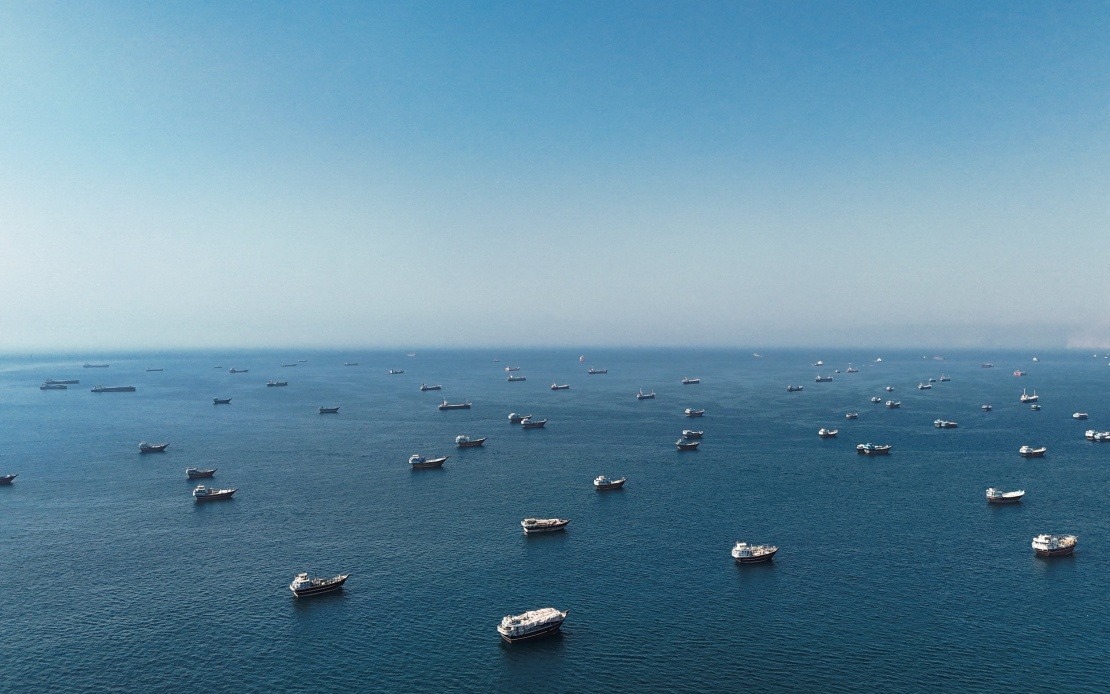
Iran's military command announced on Saturday that the Strait of Hormuz, one of the world's most critical energy chokepoints, will be closed to maritime traffic. The declaration from the Khatam al-Anbiya Central Headquarters, carried by state broadcaster Press TV, represents a dramatic escalation in regional tensions and marks a significant response to what Tehran characterizes as American and Israeli violations of commitments in the Middle East.
The Iranian announcement directly attributes the blockade threat to the United States' alleged failure to honour a memorandum of understanding reached the previous week aimed at de-escalating the ongoing conflict. According to the military command, Washington has not implemented the first clause of this agreement, which was intended to facilitate an end to the wider war affecting the region. This represents a fundamental breach of faith that Tehran says justifies drastic countermeasures against international shipping.
Beyond the US accusation, Iran also cited the continued presence of Israeli forces in southern Lebanese territory and what it describes as persistent Israeli violations of ceasefire arrangements in that region. The Iranian military leadership emphasized that Israeli occupying forces have failed to withdraw from Lebanese areas as required under ceasefire terms, further justifying the proposed closure of the strategic waterway.
The Strait of Hormuz carries approximately one-third of the world's traded oil and remains essential to global energy security and economic stability. Any actual closure would have immediate and severe consequences for international energy markets, affecting prices across Asia, Europe, and beyond. For Malaysia and other Southeast Asian nations heavily dependent on imported energy, such a development would create significant economic pressures through increased fuel costs and supply uncertainties that ripple through manufacturing and transportation sectors.
The threat must be understood within the broader context of escalating Middle Eastern tensions. The region has experienced repeated cycles of military confrontation, ceasefire negotiations, and renewed hostilities over recent months. Iran's announcement reflects frustration with what it perceives as a pattern of American policy reversals and Israeli military actions that undermine diplomatic progress. The military command's formal statement suggests this is not merely rhetorical posturing but a genuine declaration of intent tied to specific grievances.
For Malaysia's international trade and business community, such developments carry substantial implications. The country's reliance on stable maritime passages and predictable energy supplies makes it vulnerable to any disruption in the Strait of Hormuz. Malaysian shipping companies, petrochemical industries, and manufacturing sectors that depend on just-in-time supply chains would face immediate challenges should Iran follow through with this threat. Energy price spikes would increase production costs across multiple industries and potentially slow economic growth throughout the region.
The geopolitical dimension also warrants careful attention from Southeast Asian perspectives. Iran's willingness to threaten closure of a vital international waterway underscores the degree to which regional disputes can affect global commerce and the delicate balance of great power interests in the Middle East. Southeast Asian nations, which prioritize stability and predictable international law, face challenges when major powers engage in confrontational posturing that threatens freedom of navigation and established trade routes.
Diplomatic channels remain unclear at this stage regarding whether the Iranian threat will be followed by concrete action or whether negotiations might yet resolve the underlying disputes. The success of regional diplomacy will depend substantially on whether the United States and Israel can address Tehran's specific concerns about implementation of agreed commitments. The timing of such diplomatic efforts will be critical in determining whether the situation moves toward confrontation or de-escalation.
For Malaysian policymakers and business leaders monitoring this situation, the calculus involves weighing both immediate economic risks and longer-term strategic considerations. Alternative energy sourcing, diversified supply chain strategies, and engagement with international partners to support freedom of navigation emerge as prudent planning measures. The unfolding situation also reinforces the importance of regional stability and multilateral mechanisms that can address grievances before they escalate into actions with global consequences.
The broader question facing the international community centres on whether mechanisms exist to resolve disputes between Iran, the United States, and Israel without resorting to economic coercion affecting innocent third parties and global commerce. Southeast Asian nations, including Malaysia, have consistently advocated for dialogue and peaceful resolution of conflicts. This situation tests whether such principles can be maintained even when powerful actors pursue confrontational strategies that threaten established international trading systems.

