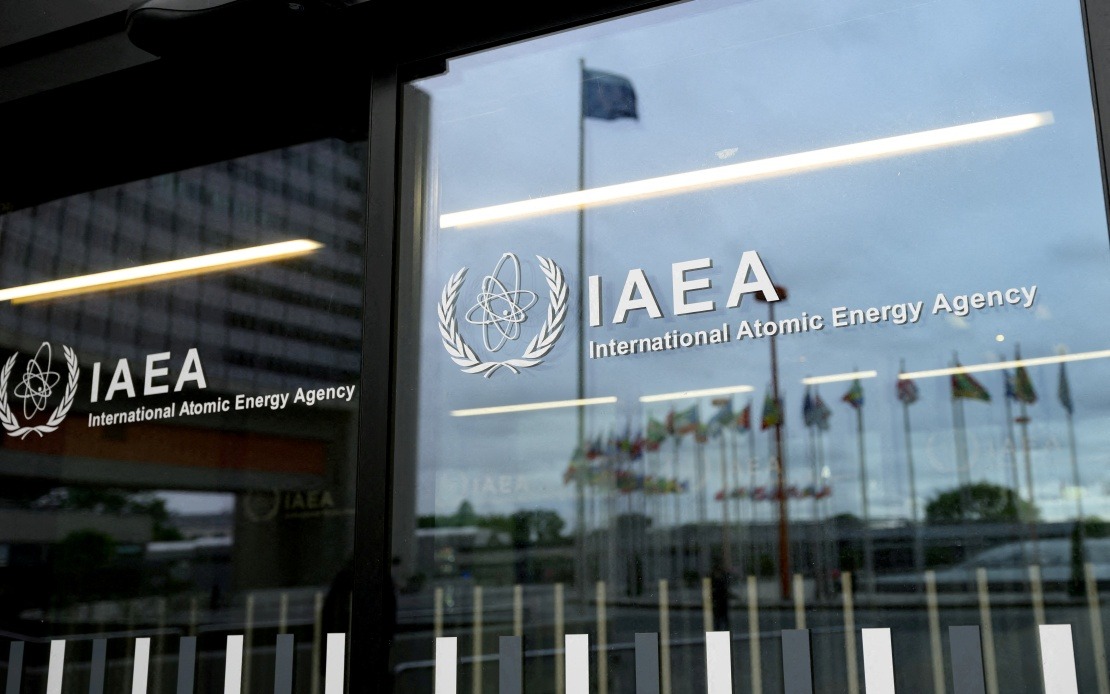
Iran is conditioning international atomic inspections on the completion of a comprehensive nuclear accord with the United States, according to Iranian Deputy Foreign Minister for Legal and International Affairs Kazem Gharibabadi. The position marks a significant hardline stance as both nations navigate delicate negotiations following a 60-day framework agreement signed on June 18. Gharibabadi stated through social media that access to Iran's nuclear installations and materials will be determined exclusively by the terms of any final settlement, contingent on Washington fulfilling its commitment to dismantle all economic sanctions.
The Iranian diplomat's declaration directly contradicts recent statements from International Atomic Energy Agency Director General Rafael Grossi, who indicated that inspections would proceed based on the June 18 memorandum of understanding. This divergence reveals fundamental disagreements about the sequencing of verification measures and confidence-building steps during the negotiation period. For Southeast Asian observers, the dispute underscores how Middle Eastern disputes retain global implications, particularly for energy markets and regional stability.
Tehran also rejected Grossi's request for face-to-face discussions, claiming no meeting occurred between Iran's negotiating delegation and the IAEA chief during recent Switzerland-based talks. This refusal signals Iranian unwillingness to engage with international nuclear oversight bodies except through official diplomatic channels. The rebuff suggests deep mistrust on Iran's part regarding the agency's impartiality, given historical Western involvement in IAEA operations and investigations into Iran's nuclear intentions.
The underlying tensions stem partly from physical damage sustained by Iran's primary nuclear research and production sites. Three critical facilities at Fordow, Natanz and Isfahan absorbed heavy bombardment during the June 2025 military escalation, following earlier strikes initiated on February 28 this year. Both the United States and Israel conducted extensive air campaigns targeting Iranian nuclear and military infrastructure, causing substantial destruction that complicates inspection logistics and raises questions about environmental contamination and structural integrity of the installations.
Iran's negotiating position appears rooted in a conviction that concessions on inspections provide leverage in broader discussions. By restricting IAEA access until sanctions are lifted, Tehran attempts to guarantee that Washington will follow through on economic measures rather than exploit verification agreements to maintain pressure. This bargaining approach reflects historical patterns in international nuclear diplomacy, where verification has frequently been weaponised by stronger actors to maintain strategic advantage.
The June 18 accord established a 60-day window for negotiators to hammer out comprehensive arrangements addressing Iran's nuclear programme scope, enrichment activities, and the systematic removal of international sanctions. The first formal negotiating round transpired in Switzerland over the weekend, with delegations reportedly focusing on preliminary frameworks. The compressed timeline and parallel military vulnerabilities create pressure for both sides, though Iran's resistance to inspections suggests negotiations may stall over verification mechanisms.
For Malaysia and other Southeast Asian nations dependent on stable Persian Gulf energy supplies, this standoff carries practical consequences. Renewed military confrontation could disrupt oil shipments and elevate regional tensions affecting global trade patterns. Additionally, the nuclear dispute exemplifies broader challenges in enforcing international non-proliferation agreements when geopolitical tensions remain unresolved. Developing nations seeking peaceful nuclear technology face scrutiny regardless of intent, partly because enforcement mechanisms appear inconsistently applied across different countries.
Gharibabadi's insistence that IAEA access hinges upon sanctions removal demonstrates Iran's fundamental distrust of inspection regimes divorced from political settlements. The Iranian position contains internal logic—verification without sanctions relief offers no security guarantee that future administrations will honour agreements. However, this stance creates chicken-and-egg dynamics where Western nations demand inspections before lifting sanctions, while Iran demands sanctions relief before permitting inspections.
The destruction of nuclear facilities adds complexity to any verification arrangement. Inspectors must assess not merely current operations but also remediation efforts, contamination levels, and reconstruction timelines. This technical challenge provides Iran additional justification for withholding access, as facilities require rehabilitation before meaningful inspections become feasible. However, this argument also raises questions about whether Iran seeks genuine negotiations or merely uses infrastructure damage as cover for non-compliance.
International law and IAEA protocols typically envision inspection access as prerequisite for sanctions relief rather than consequence of it. By reversing this sequence, Iran challenges established frameworks while exploiting asymmetries in the current balance. The position may resonate among other Non-Aligned Movement nations questioning Western-dominated verification systems, yet it simultaneously isolates Iran from mainstream international norms.
The June 18 memorandum represents a diplomatic breakthrough after months of escalating military confrontation, yet unresolved disputes over inspection timing threaten to unravel the agreement. Both delegations must navigate competing imperatives—Iran's desire for concrete sanctions relief versus Western requirements for nuclear reassurance. Without movement on these issues within the 60-day window, the negotiation process risks collapse, potentially triggering renewed conflict in the strategically vital Middle East.

