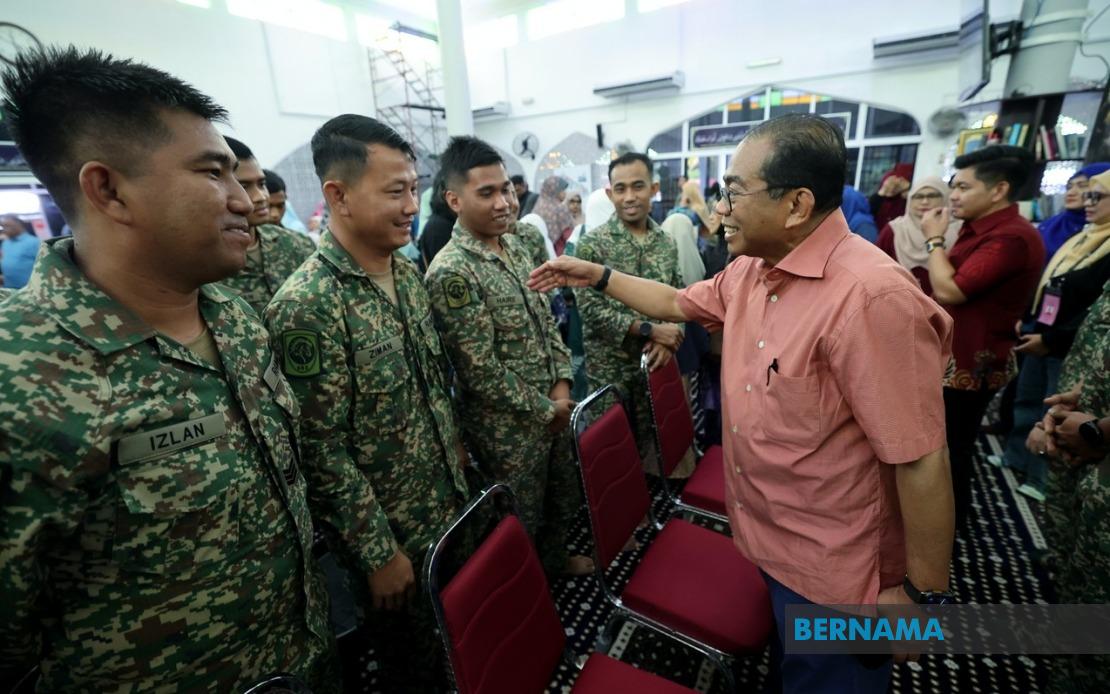
Defence Minister Datuk Seri Mohamed Khaled Nordin has indicated that a comprehensive investigation into a deadly grenade explosion at Hobart Camp in Gurun is in its final stages and should reach his ministry by the middle of July. Speaking to reporters at a gathering in Kota Tinggi on July 5 following his attendance at the Ilmu dan Muafakat programme at Felda Air Tawar 2, Mohamed Khaled confirmed that investigators are currently preparing their findings for formal submission and ministerial consideration of next steps.
The incident in question occurred on June 16 at approximately 10.57 am when two military personnel sustained catastrophic injuries during a routine training exercise. Corporal Norazmi Abu Bakar, serving with the Sixth Battalion of the Royal Malay Regiment, and Private Siti Khadijah Sungip of the First Squadron of the Royal Engineers Regiment, were both caught in the blast. The severity of their injuries necessitated immediate evacuation to Sultan Abdul Halim Hospital in Sungai Petani, though tragically both personnel were pronounced dead during their transport to the medical facility.
The loss of these two soldiers has intensified scrutiny of training protocols across Malaysia's defence establishment. Mohamed Khaled acknowledged that the incident has prompted a broader examination of how the Malaysian Army conducts its training programmes, signalling that the military leadership has recognised the need for a comprehensive review extending beyond the immediate circumstances of the Hobart Camp explosion.
Complicated matters further is the occurrence of a second serious incident at the identical location merely two weeks later. On June 29, during a combat enhancement training exercise in the late afternoon, a firearm discharged unexpectedly, causing injury to two additional service members. Sergeant Mohamad Firdaus Che Shaharudin and Corporal Felix Franchis, both attached to the Fourth Battalion of the Royal Ranger Regiment, sustained leg injuries after being struck by shrapnel fragments from the 6.15 pm incident. The clustering of two separate accidents within a fortnight at the same facility has raised significant questions about site safety management and operational oversight.
The Defence Minister's public statements reveal official concern that multiple failings may have contributed to these incidents. He indicated that investigators are tasked not only with determining the specific causes of the grenade explosion but also with identifying any systemic weaknesses or gaps in how the camp's training operations are administered and supervised. The mention of reviewing the camp's procedures in light of both incidents suggests authorities suspect common underlying issues rather than isolated, unrelated accidents.
For Malaysian military personnel and their families, these incidents represent a stark reminder of the inherent risks within defence training environments. The deaths of Norazmi and Siti Khadijah have placed considerable pressure on military leadership to demonstrate that lessons will be learned and substantive changes implemented. Public confidence in the safety standards maintained at training facilities is crucial for recruitment and retention within the armed forces.
The forthcoming investigation report carries significance beyond the immediate military context. It will likely inform broader policy discussions about training standards across Southeast Asia's defence establishments, particularly as regional militaries modernise their capabilities and intensify their operational preparedness exercises. Malaysia's response to these incidents will be observed by neighbouring defence ministries grappling with similar challenges.
Mohamed Khaled's assurance that the ministry will await the investigation's conclusions before making decisions about remedial measures suggests a deliberate approach rather than rushed responses. However, this measured pace may also be scrutinised by those seeking immediate accountability or swift operational changes. The Defence Ministry's public commitment to transparency through promised updates once findings are received indicates awareness that these matters demand serious, ongoing public communication.
The review of training methodologies ordered by the Malaysian Army represents a recognition that contemporary military exercises demand continuous evaluation against evolving safety standards. Armed forces globally have increasingly tightened protocols around live training exercises, incorporating additional safeguards and safety personnel following historical incidents. Malaysia's commitment to such an examination reflects international best practices in military risk management.
Understanding why two separate accidents occurred within such a brief timeframe at Hobart Camp will be essential for determining whether the issues stem from facility-specific factors—such as inadequate equipment maintenance, poor site management, or environmental hazards—or from training programme design itself. The investigation outcomes could precipitate significant operational changes affecting how and where Malaysia's military conducts its training regimen.
The path forward depends substantially on what investigators discover and recommend. If systemic deficiencies are identified, the Defence Ministry faces pressure to implement corrections demonstrably and timeously. The credibility of Malaysia's military leadership hinges partly on how decisively it acts upon investigation findings. As the mid-July deadline approaches, both military personnel and the broader Malaysian public await clarity on what safeguard improvements will prevent similar tragedies.

