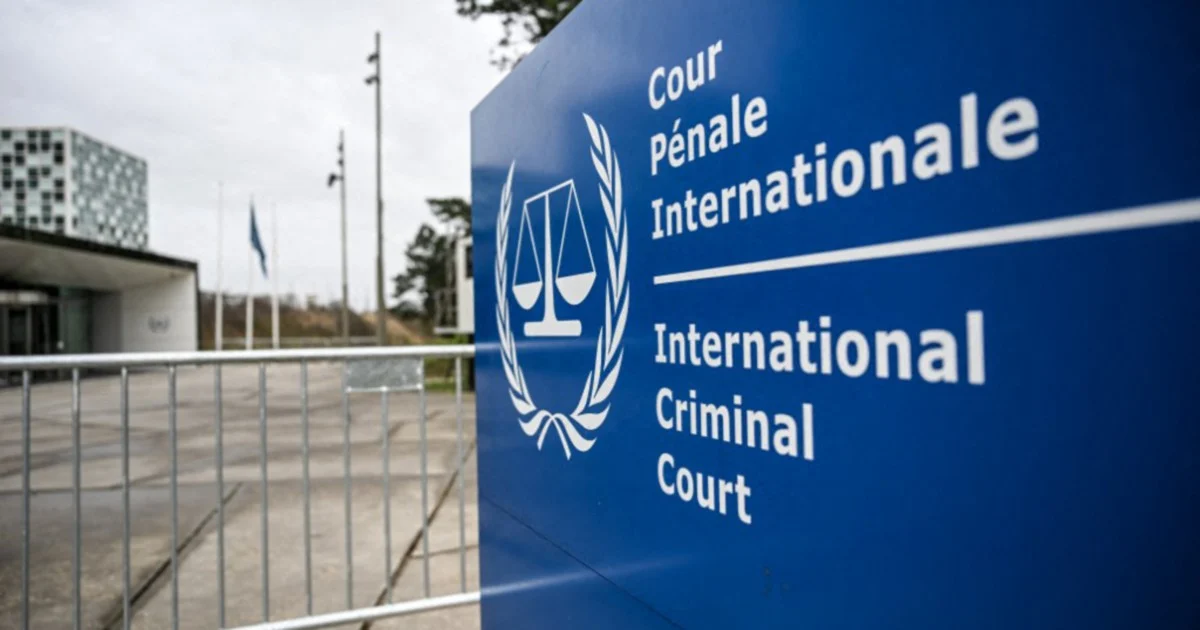
Three judges serving the International Criminal Court have taken the unusual step of suing President Donald Trump and other senior officials in the United States federal court system, arguing that sanctions imposed against them violate American law. The legal challenge, filed in New York on Wednesday, marks a direct confrontation between the international criminal justice body and the Trump administration over the scope and legality of economic penalties.
The sanctions in question were introduced against ICC officials as part of a broader policy initiative targeting the court's investigations. The judges characterise the restrictions as draconian and argue they exceed the legal authority granted to the executive branch under US law. This lawsuit represents an escalation in tensions between Washington and the international court, which has faced repeated criticism from American officials opposed to its investigations and oversight mechanisms.
The ICC operates as an independent international body, established through treaty and headquartered in The Hague, with the stated mandate of investigating and prosecuting serious crimes including genocide, crimes against humanity, and war crimes. Its judges and prosecutors have occasionally investigated or sought to investigate American citizens and allied nation officials, creating friction with successive US administrations. The current dispute reflects longstanding American skepticism toward international legal institutions that could potentially constrain American foreign policy or military operations.
The specific justification offered by the judges centres on claims that the Trump administration overstepped its constitutional authority and violated established legal principles governing sanctions implementation. They argue that the measures were imposed without proper procedural safeguards and without legitimate national security justifications that would ordinarily justify such extraordinary restrictions on individuals. This procedural critique may resonate with American courts accustomed to scrutinising executive overreach in the national security context.
The sanctions regime has created significant practical difficulties for the targeted officials. Such measures typically include asset freezes, travel restrictions, and prohibitions on American financial institutions conducting business with sanctioned individuals or their families. For judges operating within an international framework, these restrictions create complications extending beyond their personal circumstances to affect their professional relationships, institutional functions, and ordinary ability to conduct legal proceedings.
For Southeast Asian observers, this dispute carries particular relevance given the region's mixed relationship with international criminal justice mechanisms. Several Southeast Asian nations maintain complicated positions regarding the ICC, with some expressing concerns about selective prosecution, Western bias, or potential investigations into regional conflicts and governance matters. The lawsuit by ICC judges against the United States simultaneously challenges American exceptionalism while raising questions about how the court itself operates and whether its officials should be subject to external pressure.
The broader context includes repeated American threats to withdraw from or defund international institutions perceived as hostile to American interests. Previous administrations have similarly sanctioned ICC officials and prosecutors, particularly those investigating or threatening to investigate American military personnel or officials from allied nations. The consistency of this approach across different administrations suggests deep institutional opposition within Washington to ICC authority, rather than merely partisan positioning.
The lawsuit's success will likely depend partly on whether American courts are willing to review executive sanctions decisions on substantive legal grounds, or whether they defer entirely to presidential authority in foreign policy matters. Courts have historically been reluctant to second-guess executive decision-making in areas touching international relations and national security, though recent trends show greater willingness to enforce statutory limitations on executive power. The judges must demonstrate either clear statutory violations or constitutional infirmities sufficiently grave to overcome this deference.
The ICC itself, while not formally joining the lawsuit, has previously condemned the sanctions as unlawful interference with the court's independence and judicial functions. The court's leadership has characterised the American measures as an attempt to intimidate its officials and compromise investigations. These institutional conflicts between Washington and The Hague underscore a fundamental disagreement about international accountability mechanisms and who should ultimately determine their scope and authority.
For Malaysia and the broader Southeast Asian region, this dispute illustrates the ongoing tensions between national sovereignty, international law, and power politics. The region has long navigated between supporting international legal frameworks in principle while maintaining practical skepticism about their application. The judges' lawsuit may ultimately clarify what legal protections, if any, international court officials can expect when operating within the American legal system, with potential implications for how governments treat international functionaries.
The outcome remains uncertain, but the lawsuit itself sends a message that ICC officials are willing to contest American pressure through American legal channels rather than merely accepting restrictions as unavoidable. Whether such judicial challenges can succeed against a determined executive branch committed to constraining the court's operations will significantly influence future interactions between international legal institutions and the world's leading military and economic power. The case may ultimately turn on fundamental questions about the proper relationship between national authority and international law in an anarchic international system.

