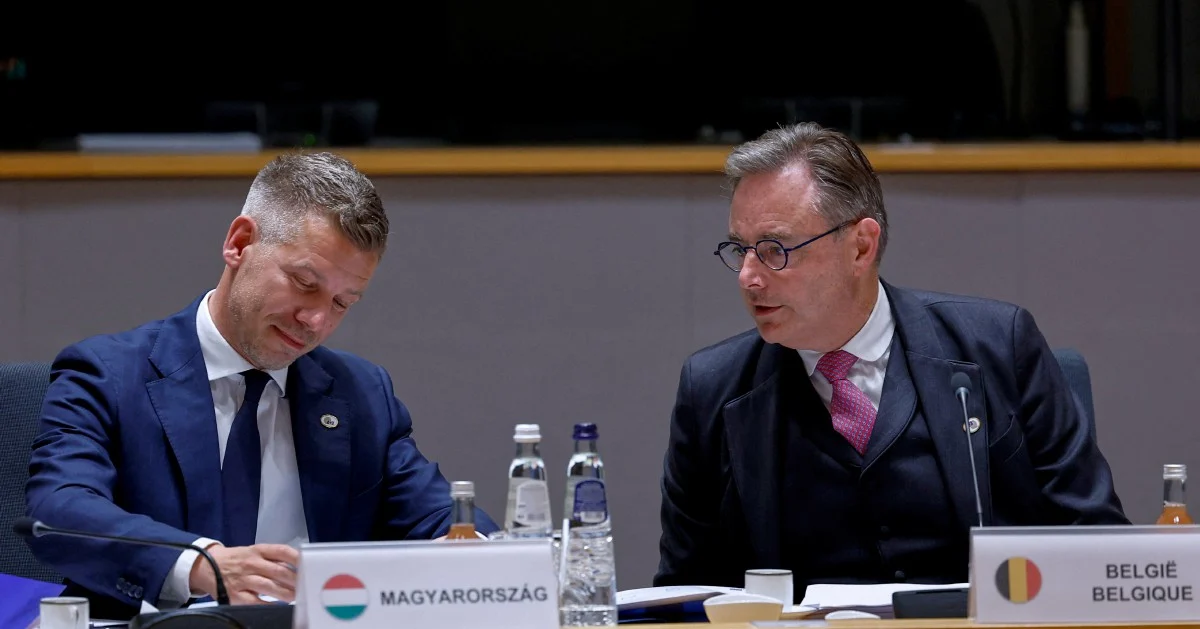
Hungary is moving forward with a package of anti-corruption legislation that lawmakers are expected to endorse this week, marking a significant policy shift under the leadership of Prime Minister Peter Magyar. The measures represent a dramatic departure from previous approaches to governance and are explicitly designed to address long-standing concerns from Brussels about fiscal accountability and transparency in Budapest's public administration.
The timing of these reforms carries substantial weight within the European institutional framework. The Hungarian government has faced sustained criticism from EU bodies over allegations of graft, mismanagement of public resources, and insufficient oversight mechanisms. This scrutiny has resulted in the European Union withholding substantial sums that would normally flow to Hungary as development assistance and economic support. The frozen funds represent a considerable financial burden for a mid-sized European economy, particularly as Budapest seeks to modernise infrastructure and support economic growth in the coming years.
Prime Minister Peter Magyar's administration has signalled that tackling corruption represents a cornerstone of its broader governance reform agenda. By advancing these legislative measures, the government is attempting to demonstrate genuine commitment to institutional improvement and international oversight standards. The reforms touch upon critical areas of public administration, including procurement processes, conflict-of-interest declarations, and financial accountability mechanisms that have previously drawn international scrutiny.
The European Union has historically used the leverage of frozen funds to encourage member states to strengthen democratic institutions and anti-corruption frameworks. Hungary's situation has become increasingly contentious within EU circles, with some member states and the European Commission viewing the country's governance record as falling below acceptable standards. The billions of euros in question represent not merely abstract financial instruments but practical resources that municipalities and national agencies require for infrastructure development, healthcare improvements, and educational initiatives.
Magyar's approach differs markedly from the posture adopted by his predecessor, suggesting a recalibration of Hungary's relationship with EU institutions. Rather than adopting a confrontational stance toward Brussels, the new government appears willing to undertake substantive legislative changes to address the concerns that triggered the funding freeze. This shift reflects recognition that continued estrangement from EU funding mechanisms carries mounting costs for Hungarian society and economic competitiveness.
The specific mechanisms embedded within these anti-corruption measures are expected to enhance transparency in government procurement, strengthen parliamentary oversight of executive spending, and establish clearer protocols for managing potential conflicts of interest among public officials. Such provisions address patterns that EU auditors and international transparency organisations have identified as systemic vulnerabilities within Hungary's institutional architecture. The reforms represent technical improvements to governance infrastructure that, while politically contentious domestically, align with standards observed across most other EU member states.
For Malaysia and other Southeast Asian economies, Hungary's experience offers instructive lessons about the relationship between institutional governance and access to international development finance. Many developing nations in the region compete for multilateral funding and investment, and the quality of anti-corruption frameworks increasingly influences the terms upon which external resources become available. Hungary's situation demonstrates how governance shortcomings can create significant economic penalties, extending beyond reputational damage to encompass actual denial of capital flows essential for development.
The success of Hungary's legislative effort will hinge not merely on the passage of new laws but on their rigorous implementation and the genuine independence of institutions tasked with enforcement. EU officials and international observers will scrutinise whether these reforms translate into meaningful changes in administrative practice or represent largely symbolic measures designed to secure fund release while permitting continuity of problematic patterns. The credibility of Hungary's reform commitments will determine the pace and extent of EU fund reallocation.
Beyond the immediate fiscal implications, Hungary's anti-corruption drive carries broader significance for institutional health across Central Europe. Countries in the region have faced sustained pressure regarding judicial independence, media freedom, and executive accountability. Hungary's legislative action could establish momentum for wider institutional strengthening or, conversely, if perceived as inadequate, further entrench tensions between Budapest and the European institutional order.
The pathway forward requires sustained political will within Hungarian society to support implementation of the new anti-corruption framework. This necessitates building consensus among diverse political constituencies and ensuring that enforcement agencies possess both resources and autonomy to function effectively. International observers and EU institutions will monitor closely whether the legislative measures catalyse genuine systemic change or prove ephemeral in their practical effects. The outcome will signal whether Hungary's new leadership has genuinely reoriented governance priorities or merely undertaken cosmetic adjustment of existing arrangements.

