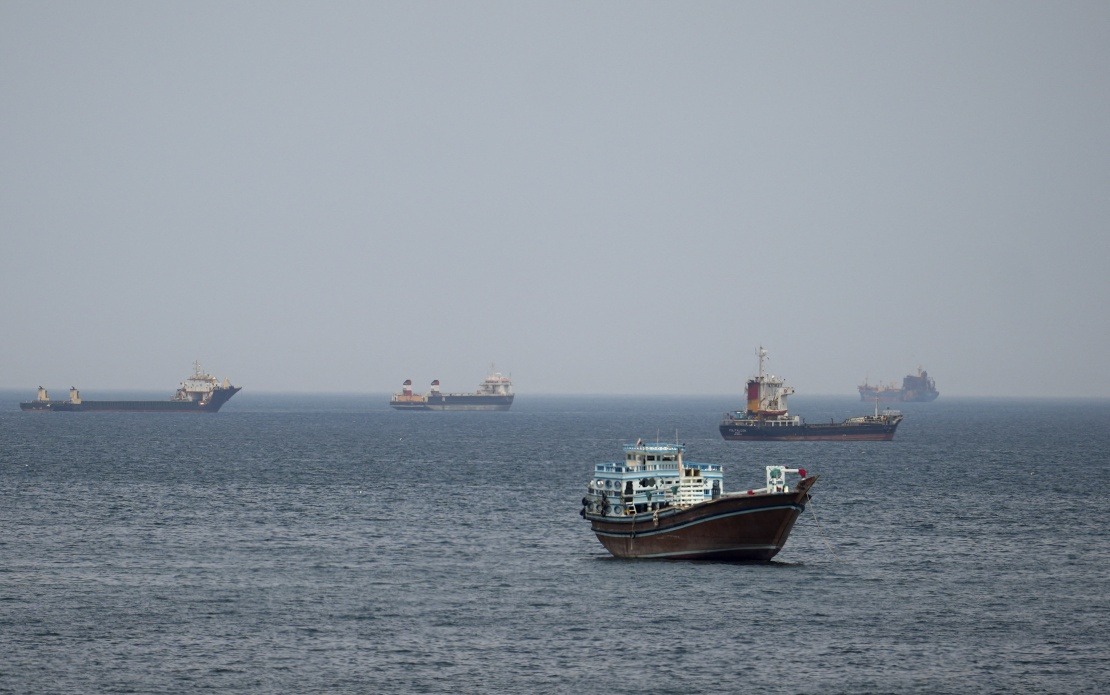
Oil tankers have resumed normal passage through the Strait of Hormuz after the United States ended its blockade of Iran, marking a significant shift in Middle Eastern geopolitics as an interim ceasefire agreement came into force on Thursday. The agreement represents a dramatic reversal in the Trump administration's approach to Iran, despite the president's initial demands for Tehran's "unconditional surrender" and comprehensive dismantling of its military capabilities. The development has triggered substantial movements in global energy markets, with crude oil prices falling to their lowest point since the conflict began on February 28, signalling market confidence that the critical waterway—which handles approximately one-fifth of the world's oil supply—will return to predictable operations in the months ahead.
The restoration of shipping through the strait carries profound implications for Malaysia and the broader Southeast Asian region, where economies depend heavily on stable energy supplies and predictable maritime commerce. The Strait of Hormuz's strategic importance cannot be overstated for Asian nations, particularly as energy-importing countries that rely on Middle Eastern oil and liquefied natural gas. The normalisation of traffic through this bottleneck reduces the risk of energy price shocks that could destabilise regional economies and trigger inflationary pressures across supply chains dependent on reliable energy costs. Malaysian refineries, petrochemical manufacturers, and shipping operators all benefit from the restored certainty and reduced volatility in crude oil markets.
However, the agreement itself remains fragile and incomplete, with several critical issues unresolved between Washington and Tehran. The interim deal provides a 60-day window for negotiators to reach a comprehensive accord specifically addressing Iran's nuclear programme, which Trump has identified as his primary justification for launching military operations. The agreement also establishes a $300 billion reconstruction fund for Iran alongside additional financial incentives designed to encourage compliance. US Vice President JD Vance, who will lead the American negotiating delegation, has signalled that Washington will also pursue restrictions on Iran's long-range missile capabilities—a demand that goes beyond the immediate nuclear question and reflects broader American concerns about Tehran's regional influence.
Iran's Supreme Leader Ayatollah Moitaba Khamenei has already adopted a confrontational stance toward the upcoming negotiations, declaring that Trump signed the agreement "out of desperation" and warning that the nuclear discussions "will not be easy." His statement that "if the American side wants to be too demanding, we will not accept it" suggests Tehran views itself as negotiating from a position of strength, having withstood a superpower military campaign and demonstrated capacity to disrupt global energy supplies. This divergence in how each side characterises the current situation creates substantial uncertainty about whether the initial ceasefire can be converted into a durable long-term settlement. Analysts in the region remain cautious about prospects for genuine reconciliation between nations whose fundamental interests and ideological orientations remain sharply misaligned.
A particularly revealing aspect of Iran's position involves its intention to maintain operational control over the Strait of Hormuz during the negotiation period. Tehran has announced that it will continue issuing permits and directing traffic flows through the waterway, though it has pledged to waive all fees during the 60-day interim period. This arrangement preserves Iran's leverage over global energy markets while demonstrating restraint sufficient to sustain the ceasefire. For shipping operators and energy traders, this represents a managed compromise—Iranian authority over the strait continues, but without the financial penalties that would otherwise burden international commerce. The arrangement essentially gifts Iran symbolic recognition of its regional influence without triggering the economic disruption that fee collection would provoke.
The agreement's durability faces a more serious threat from developments in Lebanon, where Israeli forces continue military operations despite being absent from the ceasefire negotiations. More than one million people have been displaced by fighting between Israeli forces and Hezbollah, yet Israeli airstrikes continued even as the Iran-US deal took effect. The agreement specifically calls for the "permanent termination" of the Lebanon conflict and for Lebanon's "territorial integrity and sovereignty" to be ensured, language that appears incompatible with Israel's publicly stated intentions. Israel, which was not party to the ceasefire negotiations, has declared it has no intention of withdrawing from Lebanese territory and has released military maps depicting an expanded occupation zone that contradicts the agreement's territorial restoration provisions.
This fundamental contradiction between the ceasefire agreement's requirements and Israel's stated military objectives has created an unexpected and unprecedented rift between the United States and its longtime regional ally. Trump has become unusually vocal in criticising Israeli operations in Lebanon, at one point remarking that if he were serving in Israel's cabinet, he would not attack "the only powerful ally that I have anywhere left in the entire world." This criticism represents perhaps the most serious public disagreement between a US president and an Israeli government in recent decades and reflects Trump's determination to enforce his regional peace vision. Yet Israel's apparent disregard for American pressure raises fundamental questions about Washington's actual leverage over its allies and whether Trump can credibly enforce the ceasefire terms he has negotiated.
Republican allies of Trump in Congress have questioned whether the president surrendered excessive concessions to achieve the ceasefire, particularly given that none of his original military objectives appear to have been realised. When Trump initiated the conflict nearly four months earlier, he articulated ambitious goals: destroying Iran's nuclear weapons programme, eliminating Tehran's ability to strike neighbouring countries, halting support for militant organisations throughout the region, and facilitating internal political change in Iran. The interim agreement achieved none of these objectives, instead providing Iran with substantial financial benefits and tacit recognition as a major regional power. Critics argue that Iran has enhanced its strategic position by surviving military confrontation with a superpower, exercising control over global energy flows, and securing valuable exemptions from financial sanctions—outcomes that favour Tehran far more than the initial military balance suggested likely.
For Malaysian policymakers and business leaders monitoring Middle Eastern developments, the ceasefire's uncertain trajectory presents both opportunities and risks. The immediate stabilisation of energy markets reduces inflationary pressure and provides temporary relief for manufacturing and transportation sectors burdened by elevated fuel costs. Yet the agreement's fragility, coupled with the unresolved Lebanon situation and fundamental tensions between American and Iranian strategic objectives, suggests that energy price volatility could resurface if negotiations collapse or if regional escalation occurs. Malaysian companies with exposure to Middle Eastern markets, particularly those involved in shipping, petrochemicals, and trade financing, should prepare contingency plans for renewed disruption.
The 60-day negotiation period will test whether genuine diplomatic reconciliation can emerge from military conflict, or whether the ceasefire represents merely a temporary pause before hostilities resume. The outcome will substantially influence not only Middle Eastern stability but also the global energy markets upon which Malaysian and broader Southeast Asian prosperity depends. The continued Israeli operations in Lebanon suggest that complete implementation of the agreement faces serious obstacles, and that Trump's ability to enforce regional peace remains constrained by the interests and actions of allies he cannot fully control. Regional observers should monitor developments carefully, particularly statements from Iran regarding nuclear negotiations and any escalation in Israeli-Lebanese fighting, as these factors will likely determine whether the current ceasefire can evolve into durable peace or unravels into renewed conflict.