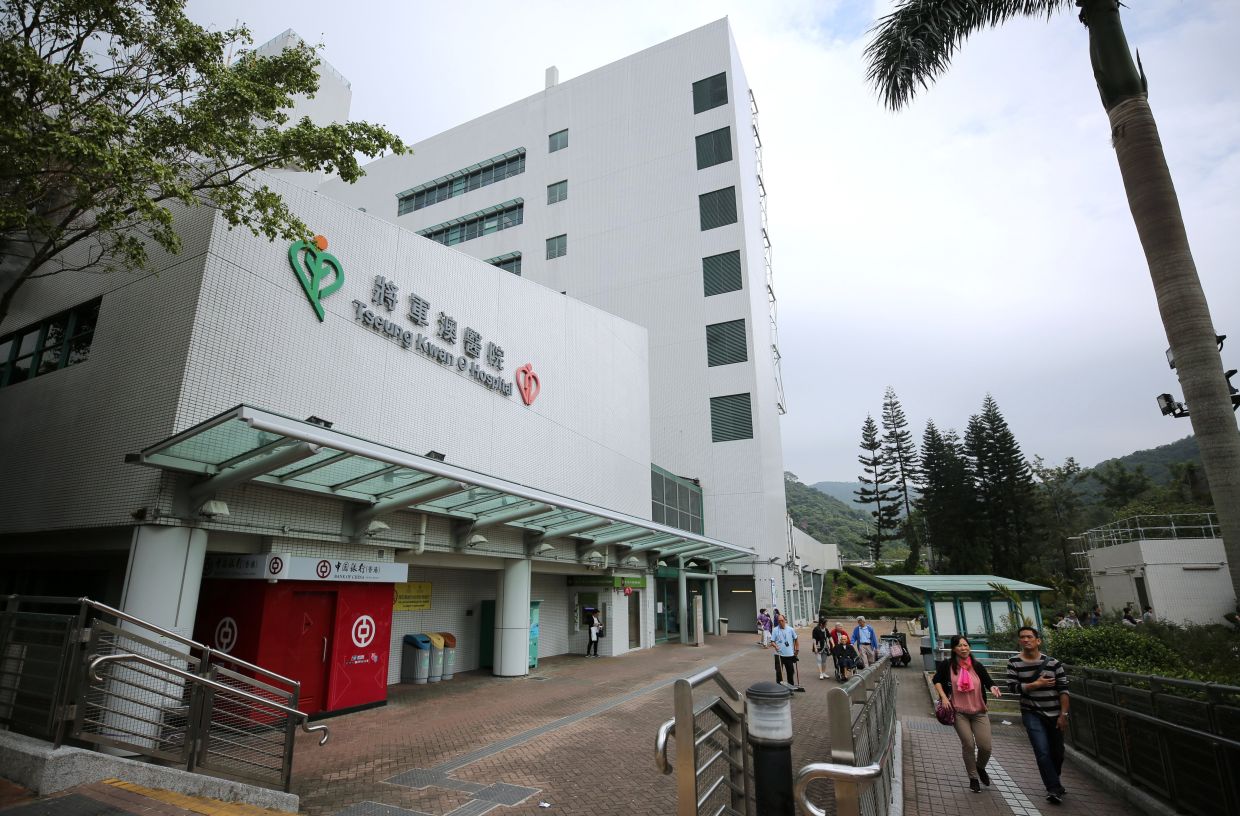
An independent investigation into a fatal surgical error at Tseung Kwan O Hospital in Hong Kong has concluded that a surgeon's misidentification of organs during an operation on an 85-year-old woman resulted from cognitive bias and inadequate verification procedures. The patient, who was being treated for obstructive sigmoid colon cancer, underwent what should have been a routine transverse colostomy in early February but died three weeks later following complications from the surgeon operating on her stomach instead of her colon. The hospital's formal report, released this week, indicates that the incident represents a systems failure rather than an isolated mistake, with multiple layers of oversight breaking down during the procedure and its aftermath.
The patient arrived at Tseung Kwan O Hospital requiring urgent relief from intestinal obstruction. A transverse colostomy, which involves creating a surgically managed opening in the abdominal wall to bypass the blockage, represents a well-established technique in colorectal surgery. Initial post-operative monitoring suggested the procedure had progressed without immediate complications, with the patient's core vital signs remaining within normal parameters. However, medical staff began noticing atypically elevated output from the newly created stoma, a warning sign that should have prompted immediate reassessment but instead appears to have been inadequately documented and communicated across the care team.
More than three weeks after the operation, the patient's condition deteriorated sharply when she developed hypotension and tachycardia. She was transferred from her rehabilitation facility back to Tseung Kwan O Hospital, where imaging finally revealed the catastrophic error: the surgical opening had been created in the stomach wall rather than the colon. By that point, her clinical trajectory had become irreversible. She passed away on March 3 after her family consented to a do-not-attempt-resuscitation directive, ending what had become a prolonged and ultimately futile hospital course.
The hospital's investigation report identifies "confirmation bias" as the primary cognitive mechanism underlying the surgeon's misidentification. This psychological phenomenon, in which individuals subconsciously seek information that confirms their existing beliefs while dismissing contradictory evidence, appears to have prevented the surgeon from properly verifying the anatomical identity of structures within the abdominal cavity before making the surgical incision. The investigation explicitly notes that the surgical team failed to implement additional confirmatory measures—such as intraoperative imaging, anatomical landmark verification, or consultation with colleagues—that are standard safeguards in modern surgical practice.
Beyond the surgeon's individual lapse, the hospital's findings expose systemic weaknesses that allowed the error to persist undetected for weeks. The unusual volume of stomal output should have triggered immediate clinical concern and specialist review, yet documentation reveals inadequate monitoring protocols and insufficient handover of information when the patient transferred to her rehabilitation setting. Healthcare staff involved in post-operative care appear to have lacked the experience or authority to escalate concerns through proper channels, while communication between the surgical team and the rehabilitation team broke down entirely, preventing the kind of interdisciplinary reassessment that might have caught the error earlier.
The incident carries particular resonance in Southeast Asia, where Singapore and Hong Kong have positioned themselves as regional medical hubs attracting patients from across the region. Former Hong Kong lawmaker Michael Tien Puk-sun has seized on the case to criticize what he perceives as a pattern of inadequate accountability. Tien noted that the surgeon in question has a history of previous errors and called for decisive action, arguing that allowing such professionals to remain in position undermines public confidence in medical institutions and damages Hong Kong's reputation as a destination for healthcare services. His intervention reflects broader regional concerns about surgical safety and institutional transparency in medical practice.
The hospital's investigation panel has recommended comprehensive reforms to surgical governance, including a departmental restructuring under a cluster-based governance model intended to improve oversight and accountability. The recommendations emphasise the need for surgical team continuity and involvement in care decisions even after patient transfers occur, recognising that fragmented care pathways create opportunities for critical information to be lost. The panel specifically calls for enhanced roles for stoma and wound care specialists in post-operative assessment, with mandatory documentation and timely reporting of abnormal findings to surgical leadership.
Tseung Kwan O Hospital has committed to implementing these recommendations and has indicated that the case will be referred to Hong Kong's Medical Council for further disciplinary proceedings. The hospital has already initiated human resources procedures concerning the surgeons involved, signalling that individual accountability measures will accompany systemic reforms. For Malaysian healthcare institutions, the case serves as a cautionary example of how even routine procedures conducted in well-resourced hospitals can result in harm when cognitive biases, inadequate protocols, and poor interdisciplinary communication converge.
The broader lesson extends beyond individual surgeon competence to encompass institutional culture and safety infrastructure. Modern surgical practice has evolved substantially over recent decades with the introduction of timeout protocols, surgical checklists, and multidisciplinary team involvement specifically designed to prevent the kinds of errors that occur when single practitioners proceed on faulty assumptions. That such measures appear not to have been fully implemented at the time of this incident—or were implemented but ineffectively—raises questions about whether hospitals across Southeast Asia have adequately embedded these safety practices into routine operations. The patient's death represents a preventable tragedy that occurred not because surgical techniques are inherently dangerous, but because established safeguards were either absent or circumvented.

