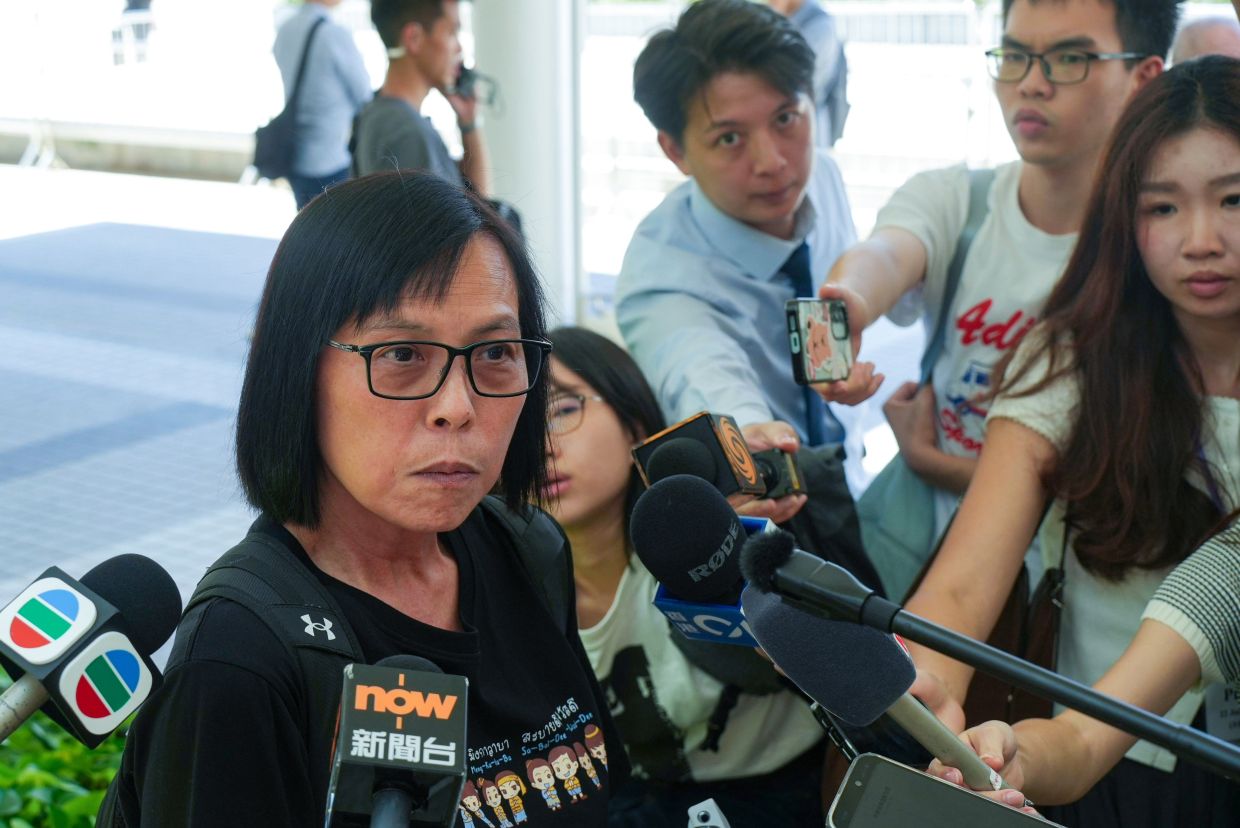
Hong Kong's independent inquiry into last year's Wang Fuk Court fire will proceed without statutory commission powers, a decision that has deepened anxieties among survivors and bereaved families about the thoroughness of the investigation and the ability to compel testimony and evidence. Committee chairman Justice David Lok Kai-hong announced the panel would not petition the chief executive to formally convert the investigation into a statutory commission of inquiry, despite the probe resuming this week following a six-week hiatus.
The Wang Fuk Court fire, which occurred in Hong Kong's densely populated public housing sector, claimed multiple lives and left many injured. The blaze raised critical questions about building safety standards, fire prevention measures, and emergency response protocols in Hong Kong's aging high-rise residential complexes. Such incidents carry particular resonance across Southeast Asia, where rapid urbanisation has created similar vulnerabilities in public and private housing stock. Malaysia and other regional neighbours have invested heavily in understanding best practices from international fire safety inquiries, making Hong Kong's investigative approach highly relevant to policymakers and safety officials throughout the region.
The decision to forgo statutory commission status represents a significant limitation on the inquiry's investigative scope. Statutory commissions possess legal authority to compel witnesses to testify, demand production of documents, and impose penalties for non-compliance or contempt. Without these powers, the committee must rely on voluntary cooperation from institutions, officials, and other parties who might otherwise prefer to withhold information or limit their engagement. For survivors and families seeking accountability, this framework raises legitimate concerns about whether the investigation can fully illuminate failures in oversight, building maintenance, emergency procedures, and government safety enforcement.
Justice Lok's determination reflects institutional restraint, suggesting the panel believes it can conduct a sufficiently comprehensive investigation through consensual means. However, this approach places the committee in a dependent position relative to government agencies, building owners, and contractors whose practices may be subject to scrutiny. The absence of compulsory powers potentially allows reluctant witnesses to decline participation or provide incomplete accounts, while organisations facing potential criticism may control the narrative surrounding their roles in pre-fire conditions or response efforts. For independent investigations, such asymmetries can compromise the credibility and completeness of findings.
The pause in proceedings, which extended six weeks before the resumption this week, also raises questions about the investigation's momentum and public transparency. Extended breaks in high-profile inquiries can allow public attention to wane, diminish pressure on reluctant witnesses, and permit potential evidence to be lost or forgotten. Regular, sustained engagement signals institutional commitment and maintains the urgency necessary to uncover facts in complex incidents involving multiple actors and systemic failures. The resumption offers an opportunity to demonstrate renewed focus, though survivors remain concerned about whether the inquiry's voluntary framework will yield sufficiently rigorous outcomes.
Hong Kong's approach contrasts with other major fire inquiries in developed economies, many of which deploy statutory powers to ensure comprehensive fact-finding. The Grenfell Tower inquiry in the United Kingdom, for instance, operated with full statutory authority and pursued evidence gathering with considerable legal leverage. That precedent underscores how statutory frameworks facilitate disclosure and create enforceable obligations that support public confidence in investigative integrity. Malaysian officials and safety experts monitoring the Hong Kong inquiry may consider these international benchmarks when designing their own fire safety oversight mechanisms and inquiry procedures for significant incidents.
The decision also reflects broader questions about Hong Kong's governance structures and the extent to which independent committees can challenge established institutions. Government housing authorities, building management bodies, and regulatory agencies potentially influence whether voluntary inquiries receive full cooperation. The absence of statutory coercive powers subtly shifts the balance of leverage, potentially favouring institutional interests over transparent public accountability. Survivors and advocacy groups have articulated this concern explicitly, fearing that institutional reluctance to deploy stronger investigative mechanisms signals insufficient commitment to uncovering systemic vulnerabilities.
For public housing residents across Hong Kong and the broader Asia-Pacific region, fire safety represents an urgent livelihood concern. Densely populated public housing complexes concentrate vulnerable populations—elderly residents, families with limited resources, persons with disabilities—in environments where evacuation challenges, limited emergency exits, and ageing building infrastructure compound risks. A comprehensive inquiry into Wang Fuk Court's fire would ideally identify systemic gaps affecting tens of thousands of residents in comparable buildings. Without statutory powers, the investigation may not fully illuminate these broader patterns or hold responsible parties accountable for preventive failures.
The resumption of inquiry proceedings this week provides a test of how effectively the voluntary framework functions in practice. Survivor testimony, document production, and institutional cooperation will indicate whether Justice Lok's confidence in consensual investigation proves justified. However, preliminary concerns about the framework's limitations suggest that even thorough volunteer-based efforts may struggle to achieve the comprehensive accountability that survivors and affected communities rightfully expect. The committee's decisions in coming weeks—regarding witness lists, evidence requests, and institutional access—will demonstrate whether the inquiry can overcome its structural constraints.
Regional observers, particularly Malaysian fire safety regulators and public housing administrators, should monitor Hong Kong's inquiry outcomes closely. The findings, regardless of statutory limitations, will likely influence policy discussions across Southeast Asia regarding building safety standards, emergency preparedness, and the adequacy of investigative frameworks for major incidents. Whether statutory powers prove essential to thorough investigation remains an open question that Hong Kong's experience may help answer, potentially shaping how other jurisdictions design accountability mechanisms for public safety failures.

