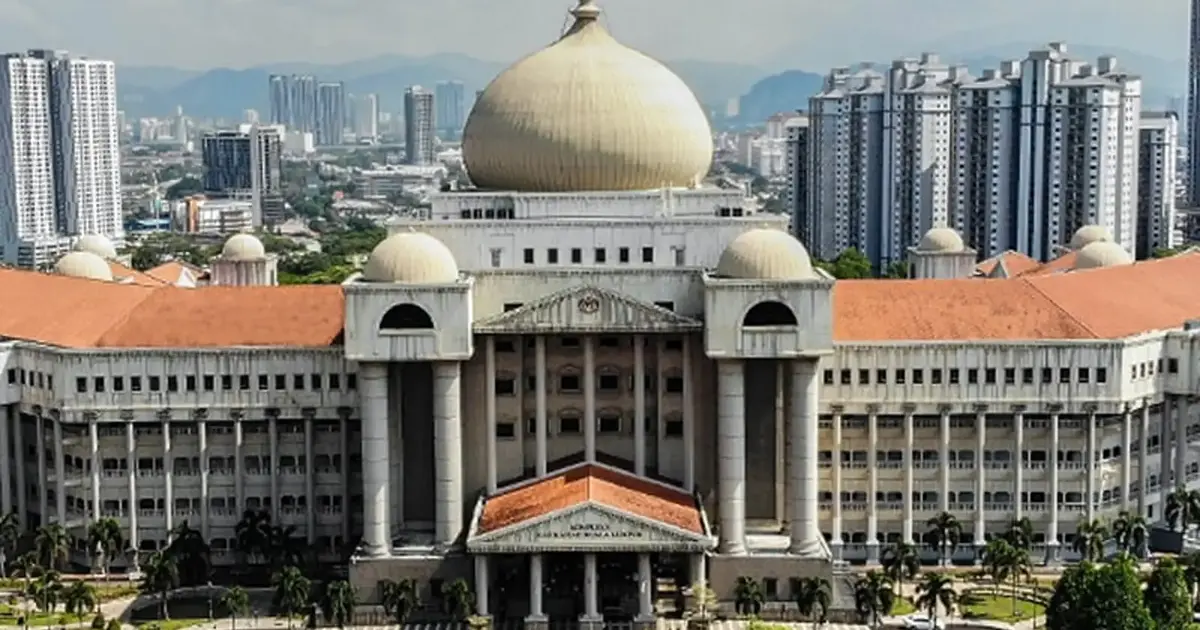
Malaysia's High Court has struck down a subpoena that would have compelled the Prime Minister to give evidence in a RM30 million lawsuit, finding that his testimony is not essential to the proceedings. The judicial decision represents a significant development in the case, potentially limiting the scope of witnesses the plaintiff may call and refocusing the litigation on directly relevant parties.
The court's reasoning hinged on the legal principle that subpoenas can only compel testimony from witnesses whose evidence bears directly on the contested issues. Judges apply a materials test to determine whether a proposed witness possesses knowledge or information that would substantively affect the case's outcome. In this instance, the bench concluded that the Prime Minister falls outside this category, effectively shielding him from courtroom examination.
This ruling carries implications for how Malaysian courts approach high-profile civil disputes involving members of the executive branch. Traditionally, courts have been cautious about drawing sitting heads of government into private litigation, recognising both practical governance concerns and the principle that judicial proceedings should focus on those with direct involvement in the disputed transaction or event. The High Court's decision reinforces these established boundaries.
The broader context of the RM30 million suit remains significant for understanding judicial independence and civil procedure in Malaysia. Civil cases involving substantial sums often attract public attention, particularly when they implicate government figures, yet courts must balance transparency with efficiency. By restricting witness lists to those materially connected to the dispute, the judiciary ensures trials remain focused and manageable while protecting officials from unproductive examination.
For the plaintiff in this case, the setback necessitates a recalibration of litigation strategy. Legal representatives must now concentrate evidence-gathering efforts on parties with documented involvement in the transactions or decisions central to the claim. This might include lower-level officials, corporate entities, or private sector actors whose actions directly generated the alleged losses.
The decision also touches on broader questions about executive accountability within Malaysia's constitutional framework. While the Prime Minister remains subject to law like any citizen, courts have consistently held that unnecessary involvement in private disputes serves neither justice nor efficient administration. The High Court's ruling suggests this principle remains robust.
From a Southeast Asian perspective, Malaysia's approach mirrors practices in other Commonwealth jurisdictions where courts carefully calibrate demands on serving executives. Singapore, Australia, and other regional neighbours similarly recognise that fishing expeditions against government leaders through civil subpoenas can become tools for harassment rather than genuine fact-finding. The High Court's judgment aligns Malaysia's jurisprudence with this regional norm.
The RM30 million quantum involved speaks to the case's commercial or administrative significance. Whether the dispute concerns business contracts, procurement irregularities, property matters, or other substantial dealings, the amount suggests credible financial stakes worthy of thorough legal examination. Nevertheless, substantive financial dimensions do not automatically render every official a necessary witness.
Attorneys practising commercial litigation in Malaysia should note that this ruling reinforces the established standard for subpoenaing witnesses. Courts expect applicants to demonstrate concrete relevance rather than speculative connections. The judgment may therefore influence how legal teams approach witness selection in future high-value disputes, encouraging earlier identification of truly material contributors to disputed facts.
The decision also reflects Malaysian courts' commitment to proportionality in civil procedure. Summoning a serving Prime Minister requires extraordinary justification given attendant disruptions to governance and the symbolic weight such action carries. The High Court's requirement of genuine materiality serves as a necessary filter, distinguishing between witnesses whose testimony would genuinely illuminate disputed issues and those whose involvement is tangential or merely cosmetic.
Within Malaysia's judicial landscape, this ruling contributes to a consistent body of precedent governing executive participation in private litigation. Future courts facing similar circumstances will likely reference this decision as supporting authority. The cumulative effect of such rulings shapes practitioner expectations and plaintiff behaviour, gradually conditioning legal conduct toward greater respect for the distinction between appropriate judicial inquiries and excessive burdens on state officials.
The ultimate significance of the High Court's determination extends beyond the immediate RM30 million dispute. By enforcing genuine materiality requirements, Malaysian courts maintain institutional credibility and demonstrate that legal proceedings serve justice rather than political theatre. The ruling suggests that even in substantial civil claims, judicial gatekeeping mechanisms remain functional and respected, preserving both the integrity of litigation and the practical capacity of government to function.

