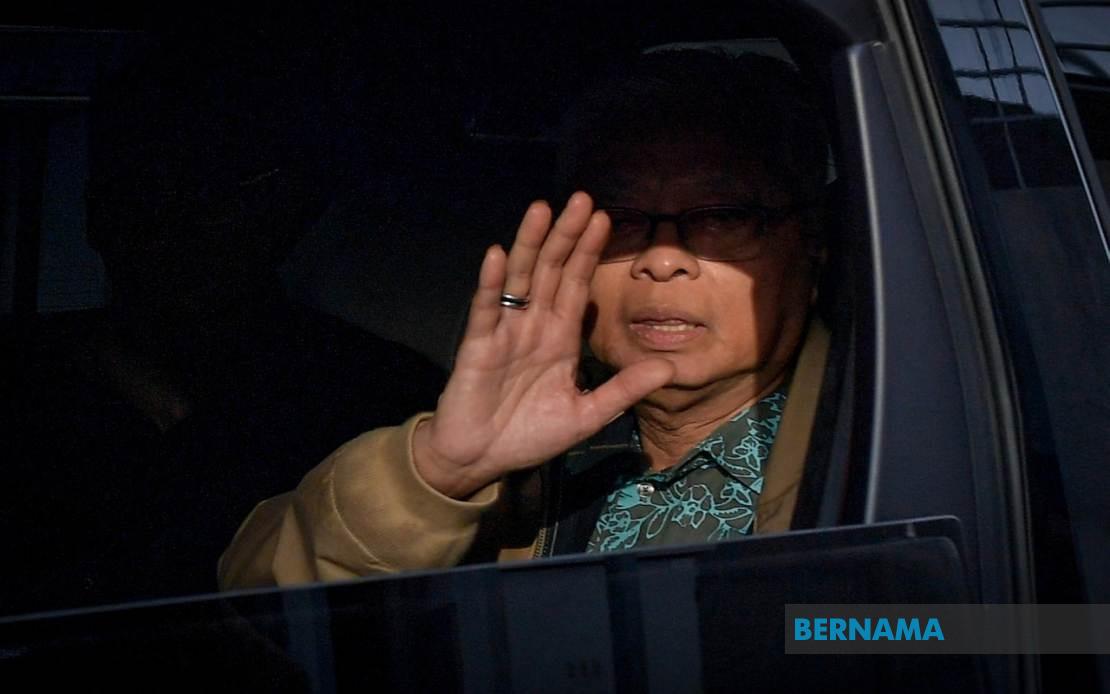
A significant legal victory for digital expression rights in Malaysia has been secured as the High Court in Kuala Lumpur upheld the acquittal of blogger Jufazli Shi Ahmad on charges related to offensive YouTube posts criticising former Prime Minister Datuk Seri Ismail Sabri Yaakob and UMNO. Judge Datuk Aslam Zainuddin dismissed the prosecution's appeal on October 18, 2024, affirming the earlier decision by the Sessions Court to discharge and acquit the defendant, marking an important moment in the country's ongoing discourse around online speech and political criticism.
The case centred on two distinct charges that prosecutors had brought against Jufazli. The primary allegation involved the creation and transmission of offensive communication through a YouTube video posted on June 27, 2022, at 3 pm from his 'King Maker Politik' account with the purported intent to annoy another person. This charge was brought under Section 233(1)(a) of the Communications and Multimedia Act 1998, legislation that has become increasingly scrutinised by free speech advocates in recent years. The video in question was subsequently accessed and reviewed by authorities at the Criminal Investigation Division office of the Dang Wangi District Police Headquarters on July 1, 2022.
The second charge carried serious implications for digital privacy and compelled disclosure. Jufazli faced allegations that he refused to furnish the password to his YouTube account, which was stored on his mobile phone, to a police officer at the Dang Wangi headquarters on July 5, 2022. This charge invoked Section 249 of the Communications and Multimedia Act 1998, which carries substantially heavier penalties than the first charge. The legislation in question represents a significant regulatory framework governing online conduct in Malaysia, and the outcome of this case may have broader ramifications for how authorities handle requests for digital account access.
The legal framework under which Jufazli was prosecuted carries considerable weight. Conviction under Section 233(1)(a) would have resulted in a maximum fine of RM50,000 or imprisonment for up to one year, or both, with an additional fine of RM1,000 for each day the offence continued following conviction. The second charge carried even steeper consequences, permitting sentences of up to RM100,000 in fines or two years' imprisonment, or both. These penalties underscore the seriousness with which authorities had regarded the allegations and demonstrate the potential chilling effect such prosecutions might have on online discourse.
Judge Aslam Zainuddin's decision to uphold the Sessions Court's discharge and acquittal represents a substantive endorsement of the lower court's reasoning. By dismissing the prosecution's appeal after careful review of the case record, the grounds of the Sessions Court judgment, and submissions from both legal teams, the High Court has effectively validated the finding that the evidence did not sustain the charges. Deputy Public Prosecutor Mohamad Fadhly Mohd Zamry had presented the state's case in the appeal, while Jufazli's defence was handled by lawyer Ramesh N.P. Chandran.
This judgment carries particular significance within Malaysia's broader legal landscape, where the balance between protecting national interests and preserving individual freedoms remains contested. The case demonstrates that Malaysian courts remain willing to scrutinise prosecutions brought under the Communications and Multimedia Act 1998, particularly when the evidence supporting charges alleging offensive communication proves insufficient. The acquittal suggests that simply posting political criticism, even if acerbic or provocative, does not automatically constitute an offence under Malaysian law.
For digital rights advocates and those concerned with online freedoms in Southeast Asia, the decision provides some encouragement. Malaysia has faced international scrutiny regarding restrictions on online expression, with organisations monitoring press freedom noting trends toward increased prosecutions under broad communications legislation. This acquittal indicates that judicial review can operate as a meaningful check on prosecutorial overreach, even in cases involving criticism of prominent political figures and major political parties.
The case also illuminates questions around government requests for digital access credentials. The charges against Jufazli included allegations related to his refusal to provide his YouTube password, raising important issues about digital privacy and the limits of state authority to compel disclosure of authentication credentials. The acquittal on this charge reinforces principles of digital privacy protection, even though Malaysian law does provide mechanisms for authorities to seek access to digital accounts through proper legal channels.
The implications for Malaysian content creators and online commentators remain nuanced. While this acquittal provides reassurance that political expression on platforms like YouTube retains some legal protection, the mere fact that Jufazli faced prosecution and years of legal proceedings illustrates the risks that content creators encounter when their posts attract official attention. Many potential critics may remain deterred from expressing controversial views, even knowing that acquittals are possible.
For UMNO and political parties generally, the judgment underscores the complexity of leveraging telecommunications law to address criticism. While prosecutors attempted to characterise the YouTube posts as offensive communications warranting criminal sanction, the courts ultimately rejected this characterisation. This outcome suggests that political parties seeking legal redress against critical online content may find more limited recourse through the Communications and Multimedia Act than they might initially anticipate.
The case also reflects evolving judicial attitudes toward online speech in Malaysia. As Malaysian courts gain more experience adjudicating internet-related offences, jurisprudence appears to be developing that distinguishes between genuinely harmful online conduct and protected political expression. This judgment contributes to that developing body of case law and may influence how similar cases are approached in future.
Moving forward, the acquittal raises questions about prosecutorial practices and the criteria applied when deciding whether to proceed with charges under the Communications and Multimedia Act 1998. If magistrates and judges consistently find that the evidence for such charges does not meet the threshold for conviction, prosecutorial agencies may reconsider their approach to policing online political commentary. This natural evolution of enforcement practices, guided by judicial outcomes, represents one mechanism through which legal systems adapt to technological and social change.
The broader context of this case encompasses Malaysia's ongoing navigation between security concerns, social harmony imperatives, and democratic values including freedom of expression. This particular judgment suggests that when fundamental questions of online political speech are at issue, Malaysian courts are willing to subject government prosecution to meaningful scrutiny and to discharge defendants where the evidence proves insufficient—a principle that carries significance for the development of internet law across Southeast Asia.

