Malaysia's media community is being invited to reflect on nearly a decade of solidarity and mutual support through a specially curated photo exhibition launched alongside the HAWANA 2026 Summit in Butterworth. The gallery, which officially opens tomorrow when Prime Minister Datuk Seri Anwar Ibrahim is scheduled to officiate the summit at the PICCA Convention Centre @ Arena Butterworth, documents the journey of the National Journalists' Day (HAWANA) since its inaugural celebration in 2018 and illustrates the tangible difference made by the Tabung Kasih@HAWANA assistance programme to members of the press corps.
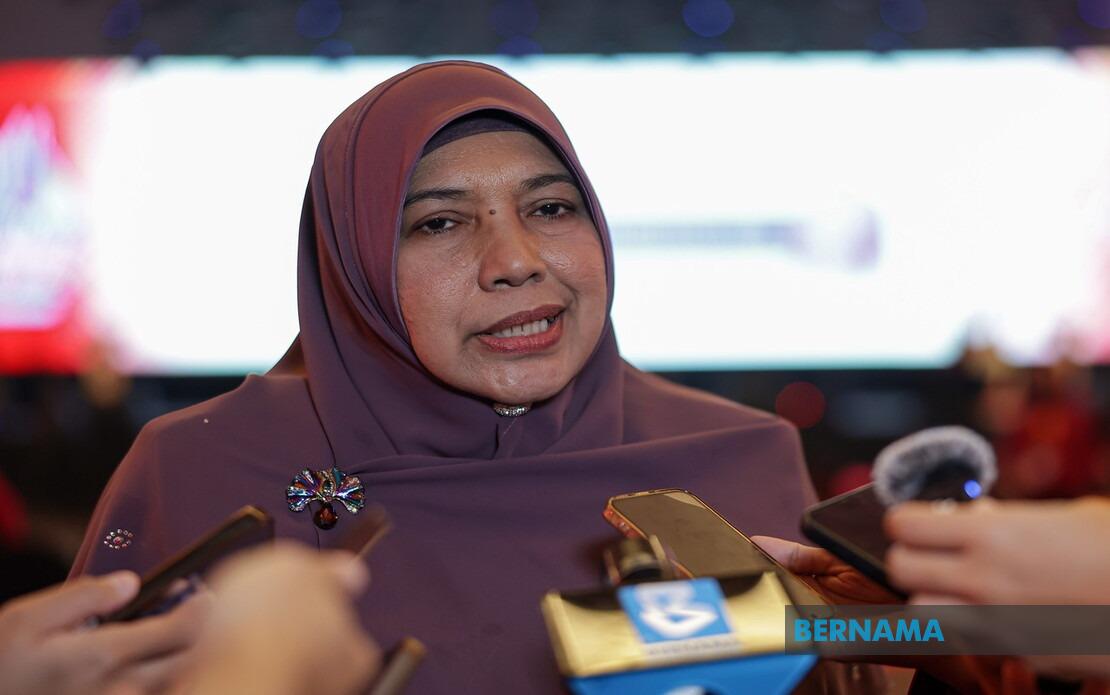
According to Datin Paduka Nur-ul Afida Kamaludin, chief executive officer of the Malaysian National News Agency (Bernama) and chairman of the HAWANA 2026 Working Committee, the exhibition's dual-track approach provides visitors with both a historical perspective on the event's evolution and intimate glimpses into the lives of journalists and media veterans whose circumstances have been transformed through aid distribution. The structure deliberately bridges the public-facing aspects of the celebration with the behind-the-scenes humanitarian mission that underpins HAWANA's core purpose, bringing to the forefront work that Bernama has traditionally carried out with minimal publicity.
The recognition of media contributions to national discourse forms a significant component of the exhibition's messaging. By creating this visual narrative, Bernama underscores the profession's integral role in informing society and strengthening democratic processes. The gallery serves simultaneously as appreciation for journalists' ongoing commitment to their craft and as recognition of the vulnerabilities within the media profession itself—health challenges, financial instability, and occupational hazards that leave practitioners requiring community support.
The Tabung Kasih@HAWANA initiative has proven instrumental in addressing hardship within Malaysia's journalism fraternity. Through systematic documentation of beneficiary stories, the exhibition demonstrates how the programme translates good intentions into concrete assistance. This visual catalogue of recipients reinforces that HAWANA extends beyond ceremonial celebration to represent a functioning welfare mechanism within the media ecosystem, offering practical support when journalists face medical emergencies, unexpected life difficulties, or retirement challenges.
Careful curation of the photographic selection reflects Bernama's commitment to authenticity and accessibility. Mohamad Bakri Darus, editor of Bernama's Photo Desk, emphasised that each image has been selected with deliberation and accompanied by bilingual captions in Malay and English. This pedagogical approach ensures that international visitors, younger journalists unfamiliar with previous HAWANA iterations, and general members of the public can engage meaningfully with the exhibition's narrative without requiring specialist knowledge of the journalism profession.
The geographical scope of HAWANA celebrations mirrors Malaysia's federal structure and media landscape diversity. Since 2018, the summit has travelled through major urban centres and East Malaysian hubs—Kuala Lumpur (2018 and 2025), Melaka (2022), Ipoh in Perak (2023), and Kuching in Sarawak (2024)—embedding the celebration within regional media communities rather than treating it as a centralized, capital-city phenomenon. This deliberate rotational approach has strengthened connections between federal and state-level press organisations and ensured that journalists across all regions feel ownership of the national commemoration.
The breadth of programming showcased through the exhibition reflects HAWANA's evolution into a comprehensive platform encompassing multiple dimensions of professional engagement. Strategic partner meetings facilitate relationship-building among media organisations, government entities, and civil society stakeholders. The Media Forum provides a space for substantive discussion of contemporary journalism issues. Cultural components such as the HAWANA-DBP Pantun Festival celebrate Malaysia's literary heritage while engaging journalists in creative expression beyond their daily reporting roles. The carnival and exhibition component brings vibrancy and accessibility to the event, while sports programming acknowledges the importance of wellness and team cohesion.
For Malaysian and Southeast Asian media practitioners, the exhibition carries particular resonance as the region grapples with evolving challenges to press freedom, digital disruption, and economic pressures on news organisations. HAWANA's existence and growth signal institutional commitment to journalists' welfare despite broader industry headwinds. The accompanying Tabung Kasih fund demonstrates that professional solidarity remains operative within Malaysia's media sector, offering counterbalance to the competitive pressures and commercial instability that characterise contemporary journalism globally.
The HAWANA 2026 Summit positioning itself within a deliberate historical narrative—one documented, photographed, and now permanently displayed—suggests maturation of what was initially a relatively modest observance into a sustained institution. By memorialising previous celebrations and beneficiary stories through visual media, organisers invest HAWANA with lasting cultural significance beyond the temporal duration of any single annual event. The exhibition transforms ephemeral celebration into permanent archive, ensuring that future generations of journalists can appreciate what previous cohorts built and the human stories underlying the profession's collective identity.
As Prime Minister Datuk Seri Anwar Ibrahim prepares to officiate the summit, the accompanying gallery signals official recognition that media welfare constitutes a legitimate policy concern within Malaysia's national agenda. The prominent positioning of the Tabung Kasih@HAWANA narrative—alongside historical documentation of the celebration itself—frames journalist assistance not as peripheral charitable concern but as integral to a functioning professional ecosystem. This framing carries potential implications for future funding allocations, policy discussions, and institutional recognition of media practitioners' contributions to Malaysian society.

