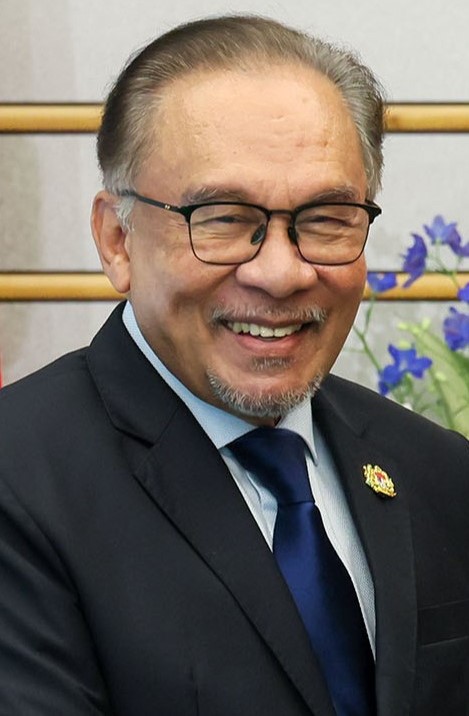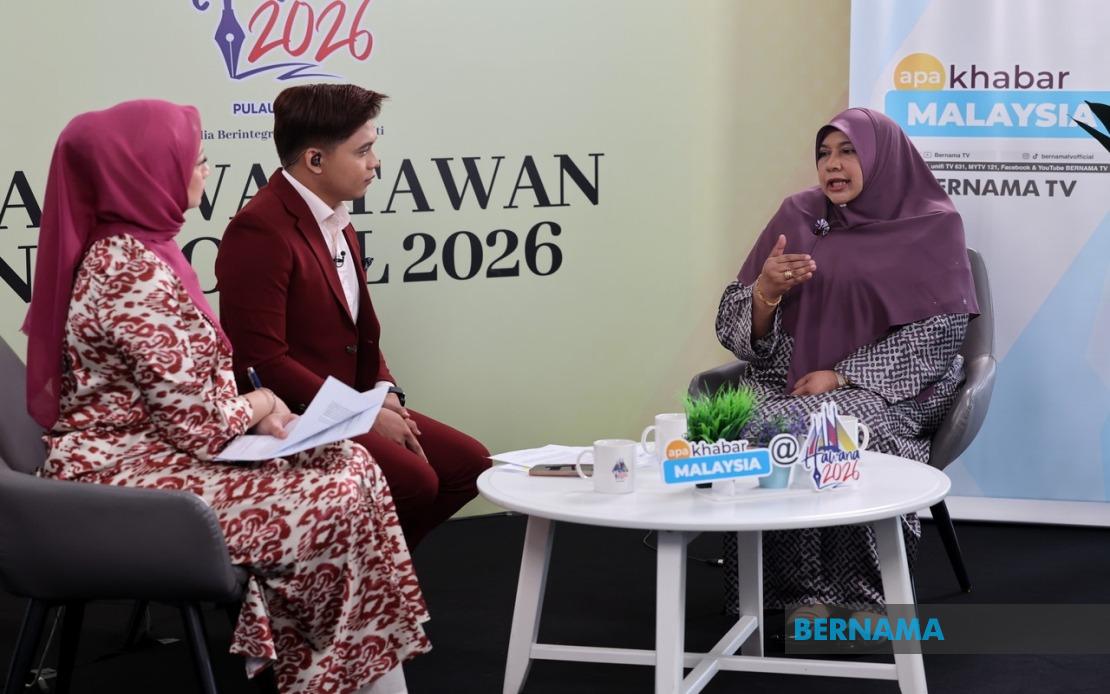
The annual celebration of Malaysian journalism reaches its peak tomorrow when Penang becomes the epicentre of the National Journalists' Day (HAWANA) 2026 summit, drawing together approximately 1,000 media professionals from across Malaysia and overseas. Scheduled to begin at 3 pm, the event will serve as the capstone to weeks of nationwide activities honouring the journalism profession and its contributions to the nation's information ecosystem. Prime Minister Datuk Seri Anwar Ibrahim will formally launch the proceedings, alongside key government figures including Penang Chief Minister Chow Kon Yeow and Communications Minister Datuk Fahmi Fadzil.
The gathering's theme, "Media Integrity Strengthens Credibility", reflects a growing emphasis on the quality and trustworthiness of news reporting at a time when information landscapes globally face challenges from misinformation and declining public trust. For Malaysia, where the media ecosystem encompasses traditional and digital platforms serving a diverse, multilingual population, this focus on integrity carries particular significance. The summit acknowledges that journalists remain central to delivering accurate, authoritative information that supports informed citizenship and democratic participation.
The calibre of attendance underscores the event's importance within Malaysian media circles. Besides government representatives, the gathering will include Bernama chairman Datuk Seri Wong Chun Wai and chief executive officer Datin Paduka Nur-ul Afida Kamaludin, alongside senior executives from Malaysia's leading media organisations. Nur-ul Afida, who chairs the HAWANA 2026 Working Committee, has emphasised that the summit transcends ceremonial recognition. Rather, she has framed HAWANA as a mechanism for strengthening professional networks, deepening collegial relationships, and fostering direct engagement between journalists and the communities they serve.
Beyond the formal summit, the HAWANA 2026 programme has cultivated substantial community involvement through its RIUH Pi HAWANA Carnival, now in its third day at the PICCA Convention Centre. The carnival features performances by popular local artists including Exists, Bunkface, Masdo, and Sakura Band, creating an accessible public interface with the media profession. This multimedia approach—blending entertainment, interactive workshops, and commercial engagement from over 24 creative product brands and 20 food vendors—reflects an attempt to demystify journalism and connect media practitioners directly with ordinary Malaysians.
The summit programme carries symbolic weight through ceremonial elements that honour individual achievement and community support. Prime Minister Anwar is scheduled to distribute grants from Tabung Kasih@HAWANA to journalists facing financial hardship, acknowledging the profession's economic vulnerabilities. Simultaneously, awards will recognise figures who have significantly advanced journalism and public discourse, while the winners of the HAWANA-DBP Pantun Festival competition will receive recognition, blending traditional Malaysian literary forms with contemporary media celebration.
HAWANA's institutional foundation traces to May 29, 1939, when the Utusan Melayu newspaper published its first edition—a date now commemorated annually to mark journalism's contributions to Malaysia's development since the colonial era. This historical grounding distinguishes HAWANA from purely contemporary initiatives; it positions current media professionals within a continuum of predecessors who navigated colonial restrictions, independence struggles, and subsequent nation-building. For Malaysian journalists, the annual observance provides occasion to reflect on professional evolution and institutional responsibilities within a developing democracy.
Broad media coverage extending the summit's reach represents a strategic amplification of its messaging. The event will be broadcast live on Bernama TV with complementary transmission through Radio Televisyen Malaysia (RTM) and TV AlHijrah, alongside distribution across digital and social media platforms. This multi-channel approach ensures that discussion of media integrity and professional standards reaches beyond the summit's physical attendees to audiences throughout Malaysia, reinforcing themes of journalistic credibility across diverse viewership demographics.
The involvement of MyCreative Venture, an agency partner under the Communications Ministry, indicates institutional coordination in advancing media professionalism and creative industry development. This collaboration suggests that official policy perspectives increasingly view journalism not in isolation but as part of broader creative economy and knowledge sectors. For Malaysia's regional position as a media hub with significant publishing, broadcasting, and digital content production, this integrated approach carries implications for how journalism education, professional standards, and industry sustainability might be addressed.
Preceding the summit, HAWANA 2026 programming included a May 7 media forum exploring contemporary journalism challenges, a June 4 strategic partner meeting convening industry stakeholders, and a June 14 fun walk that mobilised both professionals and public participation. This phased approach built momentum and engagement across diverse constituencies within Malaysia's media landscape. The variety of activities—from intellectual discourse in forums to recreational participation in the fun walk—attempts to establish HAWANA as inclusive rather than elite, appealing to journalism practitioners at different career stages and specialisations.
For Southeast Asian media ecosystems increasingly concerned with misinformation, digital transformation, and audience fragmentation, Malaysia's structured approach to honouring professional standards offers a regional model. The emphasis on integrity as foundational to credibility addresses a concern shared across the region, where trust in institutions—including media—has declined as information sources proliferate. By anchoring HAWANA's theme in this relationship between integrity and credibility, Malaysia signals institutional commitment to journalism as a stabilising force in democratic discourse.
The summit also occurs within a broader Communications Ministry agenda under Minister Datuk Fahmi Fadzil, whose attendance reflects official prioritisation of media sector development. Malaysia's regulatory environment for broadcasting, publishing, and digital media continues evolving as digital platforms disrupt traditional business models and audience behaviours. HAWANA provides occasion for government, media industry, and professionals to align perspectives on journalism's future amid technological and economic disruption.
Ultimately, HAWANA 2026's culmination tomorrow represents more than professional ceremony. It embodies Malaysia's attempt to sustain journalism as institutional practice amid pressures that have weakened news organisations globally. The gathering of 1,000 practitioners, government endorsement at the prime ministerial level, public engagement through carnival and entertainment, and thematic emphasis on integrity collectively affirm that Malaysian leadership views journalism as essential infrastructure for informed citizenry and social cohesion. Whether this institutional support translates into addressing structural challenges facing news organisations—economic sustainability, digital transformation, audience trust—remains a question for the profession and policymakers in months ahead.