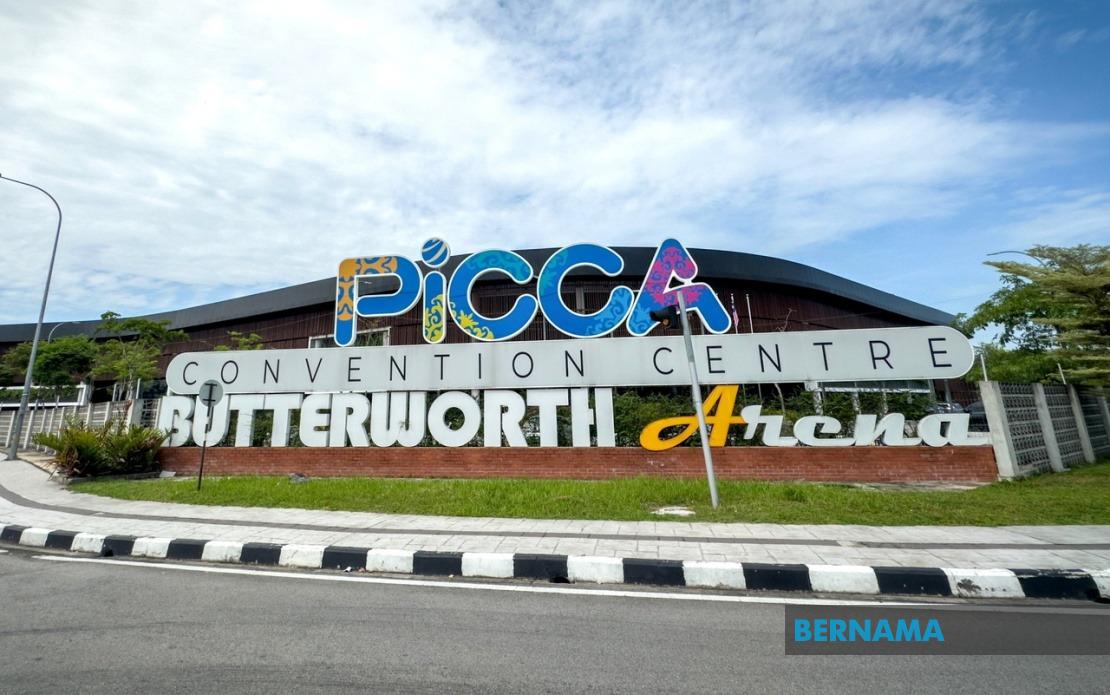
Penang is hosting the culmination of Malaysia's National Journalists' Day celebration today, with the sixth edition of HAWANA gathering approximately 1,000 journalists and media professionals at the PICCA@Arena Butterworth Convention Centre. The year's theme, 'Media Integrity Strengthens Credibility', underscores the government's commitment to elevating standards within the fourth estate at a time when public trust in media institutions remains under scrutiny across Southeast Asia and beyond. The attendance of Prime Minister Datuk Seri Anwar Ibrahim, scheduled to officiate proceedings at 3 pm, signals the high priority placed on recognising journalism's role in democratic governance and nation-building.
The convergence brings together a diverse ecosystem of Malaysian media leadership alongside notable international voices. Penang Chief Minister Chow Kon Yeow and Communications Minister Datuk Fahmi Fadzil will join top officials from Bernama, Malaysia's national news agency, along with executives from major local media organisations. The inclusion of international delegations from Indonesia's Antara News Agency, Vietnam News Agency, Xinhua News Agency, and regional journalist associations reflects growing recognition that media standards and professional ethics transcend borders in an increasingly interconnected region. This cross-border participation demonstrates how HAWANA has evolved beyond a domestic commemoration into a platform for regional dialogue on journalism's evolving responsibilities.
A cornerstone of today's proceedings involves the presentation of HAWANA Awards and Special HAWANA Awards, honouring individuals whose contributions have shaped both journalism practice and public consciousness in Malaysia. Recipients are being recognised for their dedication to accurate, verified reporting—qualities increasingly vital as societies grapple with misinformation and disinformation. Beyond individual recognition, the ceremony will distribute Tabung Kasih@HAWANA contributions to media veterans facing financial hardship, acknowledging journalism's often precarious economic realities and the profession's mutual obligation to support its own. This welfare component speaks to the institutional challenges facing newsrooms across Southeast Asia, where staff reductions and salary pressures have mounted over recent years.
Parallel festivities extend the celebration beyond formal proceedings. The RIUH Pi HAWANA Carnival, operating across three days at the convention centre, transforms the event into a public engagement initiative that bridges journalism's professional sphere with broader community participation. Performances by established Malaysian artists including Exists, Bunkface, Masdo, Sakura Band, Budak Nakal Hujung Simpang, and Chelsea Ng create an accessible entry point for citizens less directly connected to media industries. The carnival's inclusion of over 24 local creative product brands and 20 food vendors generates economic activity while fostering informal networking among practitioners, demonstrating how contemporary commemorations blend ceremonial significance with experiential, market-oriented elements.
Educational programming forms another substantial dimension of this year's HAWANA observance. The carnival offers multiple interactive workshops designed to enhance visitor engagement and media literacy—a critical function in societies contending with rising consumption of online content. These workshops extend HAWANA's reach beyond the professional journalist cohort to general audiences, building public understanding of journalism's processes, standards, and challenges. Such initiatives align with global trends toward media literacy programming as a countermeasure against misinformation proliferation, particularly relevant for Malaysia where social media penetration rates among Southeast Asia's highest.
The calendar of HAWANA-related events throughout recent weeks demonstrates coordinated institutional planning spanning multiple stakeholders. The May 7 Media Forum, June 4 Strategic Partners Engagement Event, and June 14 Fun Walk created progressive touchpoints building momentum toward today's centrepiece ceremony. This sequenced approach allows different constituencies—strategic partners, grassroots communities, and professional practitioners—to engage meaningfully with the celebration's themes at appropriate levels and moments. The reported encouraging participation across these preliminary events suggests genuine investment from both media institutions and the broader public.
Historically, HAWANA commemorates the May 29, 1939 publication of Utusan Melayu's inaugural edition, connecting contemporary journalism recognition to Malaysia's colonial-era media foundations. This historical anchoring provides contemporary journalists with institutional lineage extending back over eight decades, reinforcing journalism's established role in Malaysian society even as the industry undergoes technological and structural transformation. The annual May 29 observance date creates consistent cultural rhythm, though the 2026 edition's Penang-based grand finale adds geographic variety to previous celebrations.
The Ministry of Communications' stewardship, with Bernama as implementing agency, positions HAWANA within official governmental frameworks while delegating operational authority to Malaysia's news agency. This structure ensures alignment with national communication policies whilst granting professional journalists significant voice in event conception and execution. Bernama's role as implementing partner underscores the agency's evolution beyond traditional wire service functions into cultural custodian of journalism standards and professional recognition.
For Malaysian and Southeast Asian media landscapes navigating unprecedented disruption, today's HAWANA celebration carries particular significance beyond ceremonial observance. The emphasis on integrity and credibility responds directly to eroding public trust, documented by regional and global media confidence studies showing declining audience faith in news institutions. By honouring journalists maintaining rigorous standards and supporting vulnerable practitioners, HAWANA signals institutional commitment to profession-wide quality maintenance. The participation of international delegations further contextualises Malaysian journalism within regional professional standards, suggesting openness to comparative learning and cross-border knowledge exchange at a moment when media systems across Southeast Asia confront remarkably similar challenges regarding digital transition, economic sustainability, and political pressures.

