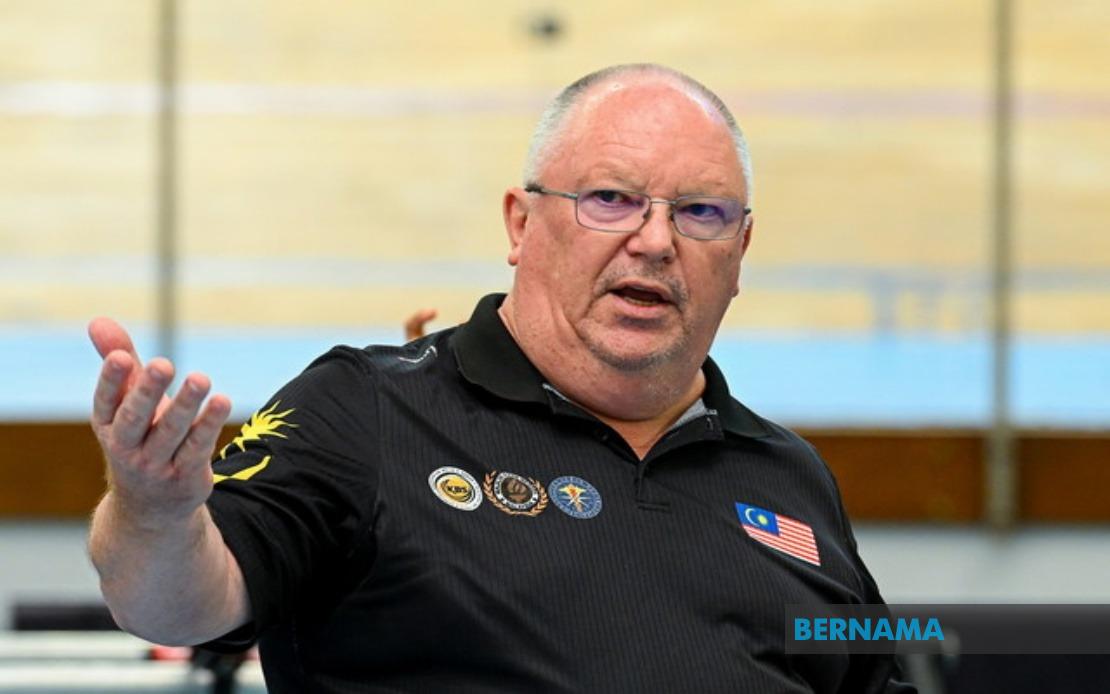
National track cycling champion Datuk Mohd Azizulhasni Awang has called for the Malaysian cycling establishment to address the brewing controversy surrounding head coach John Beasley through measured professional discussion rather than allowing the matter to descend into acrimony that could jeopardise athletes' Olympic and Commonwealth preparations. In a statement posted on social media, the accomplished sprinter emphasised that internal disputes of this nature risk derailing focus from the substantial training commitments required for upcoming major competitions, particularly the Commonwealth Games and Asian Games scheduled in the coming months.
Azizulhasni's intervention comes as tensions simmer within Malaysian cycling over Beasley's future, with reports indicating the Australian-born coach is expected to step down from his position before his contract naturally expires on January 31 next year. The accelerated departure timeline reflects accumulated dissatisfaction among various stakeholders regarding operational challenges and strategic disagreements that have accumulated within the national programme. However, the manner in which this situation has been managed publicly has drawn criticism for its lack of transparency and collegial resolution.
The cycling star articulated a nuanced position: if officials genuinely believe the time has arrived for fresh coaching direction, such a transition need not be catastrophic. Instead, he advocated for convening structured discussions between decision-makers and Beasley to reach an honourable mutual understanding and eventual separation. This approach, he suggested, would acknowledge both the reality that coaching tenures naturally conclude and the imperative to conduct such transitions with dignity and proper procedure. Azizulhasni referenced Beasley's own acceptance that leadership changes are an inevitable part of sports administration, indicating the coach himself harbours no fundamental objection to eventual succession planning.
Critically, Azizulhasni highlighted the human dimension underlying the institutional dispute. He characterised the current trajectory as reminiscent of the Malay expression "habis madu sepah dibuang"—essentially using someone as a stepping stone before discarding them—a characterisation that underscores how the unfolding situation risks being perceived as ungracious treatment of an individual who has invested considerable professional capital in Malaysian cycling. The metaphor resonates particularly given Beasley's lengthy association with the national programme and his documented impact on athlete development and competitive outcomes.
Acknowledging Beasley's track record and standing within international cycling circles, Azizulhasni described the coach as possessing substantial professional credentials not merely as a tactician and strategist but fundamentally as a person of principle committed to supporting athletes and colleagues throughout his engagement with Malaysian cycling. This characterisation positions Beasley as more than merely a functionary whose contract can be terminated; rather, it frames him as someone whose contributions to institutional development and athlete welfare merit recognition and respectful acknowledgment upon departure.
The athlete raised a poignant observation regarding the absence of visible solidarity and support for Beasley from colleagues and associates during what he characterised as an exceptionally challenging period. In Malaysian sports culture, where hierarchical respect and collective responsibility traditionally carry significant weight, Azizulhasni's implicit criticism of the silence surrounding Beasley's predicament carries particular resonance. He suggested that genuine expressions of support emanating from sincere conviction, rather than performative opposition or strategic positioning, would represent appropriate institutional conduct during this turbulent transition.
Central to Azizulhasni's appeal is the overriding imperative that internal coaching disputes cannot be permitted to contaminate the immediate competitive environment. Both the Commonwealth Games and Asian Games represent pinnacle opportunities for Malaysian cyclists to demonstrate their capabilities on continental stages, and such preparations demand undivided mental and physical concentration from athletes. The protracted uncertainty and public acrimony surrounding coaching leadership creates a suboptimal training environment characterised by distraction and reduced cohesion—precisely the conditions athletes require least when pursuing podium performances at major championships.
Beasley himself, according to Azizulhasni's account, has consistently counselled national team members to maintain focus and avoid entanglement in institutional controversies, advice that underscores his professional approach despite facing an uncertain tenure. This pedagogical perspective—that athletes must transcend administrative turbulence to concentrate on performance objectives—reflects the disciplined mentality required of elite competitors yet remains difficult to execute when coaching uncertainty persists. Azizulhasni's implicit message is that cycling leadership must bear responsibility for protecting the competitive environment rather than allowing institutional disputes to seep into training halls and competition venues.
The broader context suggests Malaysian cycling faces a genuine crossroads regarding strategic direction and coaching philosophy. Whether these undercurrents reflect legitimate performance concerns, interpersonal friction, or broader questions about programme structure and resource allocation remains somewhat obscured by the diplomatic language surrounding public statements. Azizulhasni's intervention, rather than resolving underlying tensions, appears designed to encourage all parties to conduct their inevitable reassessment of coaching arrangements through more constructive channels.
For Malaysian sports observers and athletes in other disciplines, the Beasley situation illuminates the delicate balance required between institutional accountability and individual dignity during personnel transitions. The precedent established through how Malaysian cycling handles this transition may influence expectations for future coaching changes across the broader national sports ecosystem. Azizulhasni's emphasis on professionalism and amicable resolution suggests such disputes need not become public spectacles that diminish all parties involved—a message arguably applicable across Malaysian sports administration more broadly.

