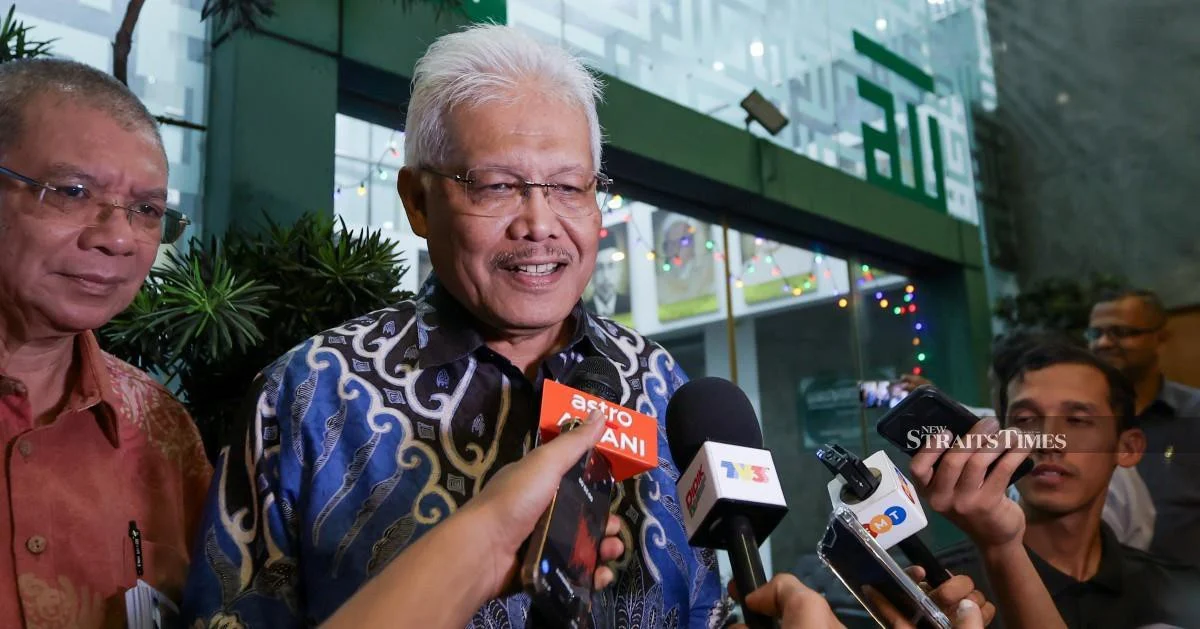
Datuk Seri Hamzah Zainudin is set to reclaim the opposition leader's position in the Dewan Rakyat this Monday, according to an official parliament seating chart released over the weekend. The repositioning reflects significant shifts in the country's parliamentary dynamics, with Bersatu president Tan Sri Muhyiddin Yassin being relocated several seats along the opposition benches. The move signals a restructuring of opposition leadership structures that has captured considerable attention among political observers and lawmakers alike.
The reconfiguration of parliament's seating arrangement carries implications beyond mere physical placement, touching on questions of parliamentary hierarchy and representation within the opposition bloc. Hamzah's return to the front bench signals a realignment of priorities and party positioning as the opposition seeks to consolidate its presence and effectiveness in holding the government accountable. The timing of this shift, coming at a specific parliamentary session, underscores the fluid nature of Malaysian political alignments and coalition dynamics that have become increasingly complex in recent years.
For observers tracking opposition politics, the development represents a notable chapter in the ongoing repositioning of key figures within the bloc. Hamzah's restoration to the primary opposition spokeperson role suggests confidence in his ability to lead questioning and parliamentary engagement with the ruling government. This elevation reflects considerations about legislative effectiveness, party representation, and the strategic importance of opposition visibility during parliamentary proceedings.
Muhyiddin's movement from the front-line opposition position, while remaining within the opposition ranks, indicates broader tactical considerations within the coalition. The Bersatu president maintains his presence and influence in parliamentary discussions but assumes a less prominent seat arrangement. Such shifts often accompany changes in party strategies, coalition agreements, or adjustments to how opposition groups coordinate their parliamentary activities and public positioning.
The reseating arrangement comes amid a period when Malaysian opposition politics continues to experience considerable transformation. The stability of parliamentary coalitions and the effectiveness of opposition strategies have become central concerns for lawmakers and political analysts monitoring the country's legislative environment. The physical arrangement of parliament reflects and reinforces these underlying political alignments and power dynamics that shape legislative debates and government scrutiny.
Parliament's seating configuration traditionally serves as both a symbolic and practical expression of political positioning within the chamber. The front bench reserved for opposition leadership carries significant weight in terms of parliamentary visibility and media attention directed toward opposition statements and questioning. Hamzah's movement to this prominent position elevates his profile as a key voice articulating opposition concerns and alternative policy positions to the government's parliamentary representatives.
The timing of this reseating for Monday's parliamentary session provides opposition parties with a clearly defined moment to demonstrate their organisational structure and leadership clarity to both their members and the broader Malaysian public. Such moments of parliamentary reconfiguration often receive attention from media observers and political commentators seeking to interpret the underlying causes and likely implications of leadership adjustments within opposition ranks.
For the broader opposition coalition, the arrangement reflects ongoing negotiations about representation and voice within the bloc. Different parties within the opposition maintain varying numbers of parliamentary seats and distinct policy priorities, requiring careful coordination about who occupies which positions and what roles different leaders assume. The allocation of the main opposition leader position to Hamzah suggests consensus among coalition partners about his suitability for this responsibility and his effectiveness in parliamentary engagement.
The parliamentary seating chart itself has become an important reference document for understanding Malaysian political structures and relationships. As parties shift their positions or new coalitions form, the official chart serves as a physical record of these political transformations. Observers and analysts frequently reference seating arrangements when discussing parliamentary dynamics, coalition stability, and the relative strength or weakness of different political groupings within the Dewan Rakyat.
Looking toward Monday's session, the repositioning is likely to establish patterns that will persist throughout the parliamentary term, assuming no further significant shifts in opposition composition or leadership. The visibility that accompanies the main opposition leader position typically translates into increased opportunities for media engagement and public communication about opposition policies and critiques of government initiatives. This enhanced platform provides opposition figures with greater capacity to shape public discourse and parliamentary narrative around key legislative issues and policy debates.
The development also reflects the practical needs of parliamentary operations, where clear designation of opposition leadership ensures orderly conduct of business and effective coordination of questioning periods and legislative responses. Parliamentary authorities use seating arrangements to facilitate efficient debate, ensure adequate time for all parties to raise concerns, and maintain the decorum necessary for productive legislative functioning. The confirmation of Hamzah's position through the official chart provides clarity on these operational matters for the coming weeks and months of parliamentary activity.

