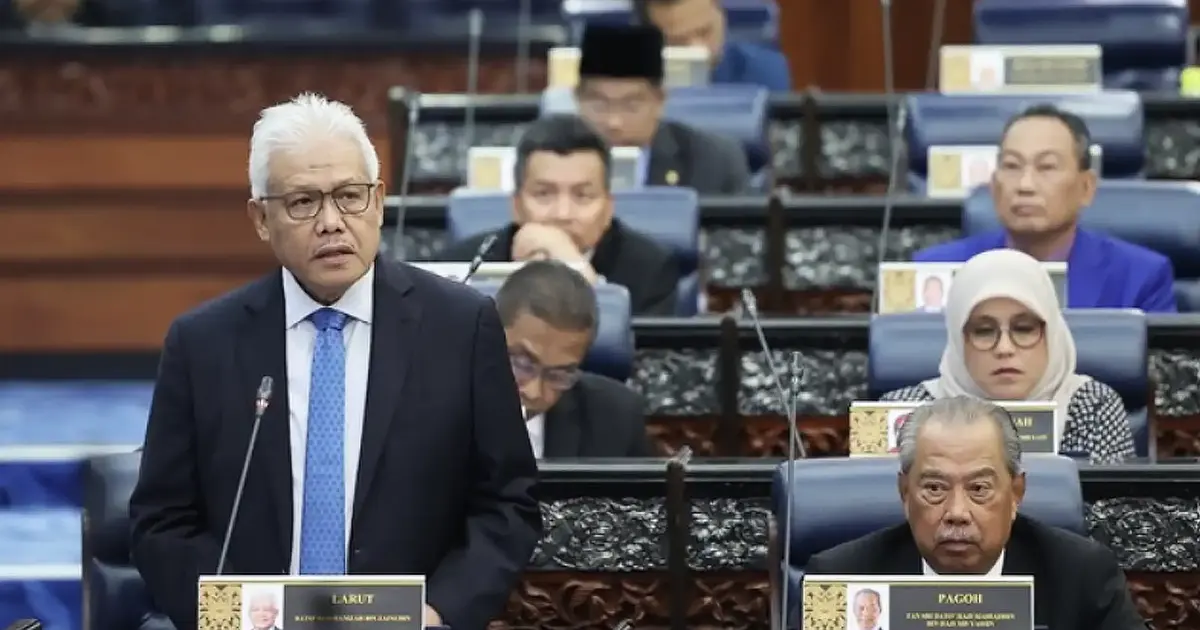
Hamzah Zainudin has secured his return to the opposition leader's coveted front-row position in the Dewan Rakyat, a development that reflects evolving dynamics within Malaysia's opposition coalition. The repositioning comes as Bersatu president Muhyiddin Yassin finds himself significantly displaced, now occupying a seat eight rows back from his previously prominent location alongside the opposition leader.
Seating arrangements in Parliament carry symbolic weight in Malaysian politics, signalling not merely administrative convenience but the relative standing and influence of political figures and their factions. The reconfiguration underscores the delicate balance within the opposition alliance, where different components maintain distinct identities and interests despite sharing a common goal of challenging the government. Hamzah's elevation to the principal opposition seat represents recognition of his authority within the broader anti-government coalition, positioning him as the public face of opposition efforts during parliamentary proceedings.
Muhyiddin's relocation reflects broader tensions that have characterised Bersatu's relationship with other opposition parties. The former Prime Minister led the party to significant electoral gains during the 2022 general election, yet his subsequent navigation of coalition politics has proven complex. His repositioning suggests that despite Bersatu's substantial parliamentary representation, the party's role within the opposition framework has been recalibrated, possibly reflecting negotiations over which faction holds primary authority in directing opposition strategy and messaging.
For Malaysian observers, such arrangements matter because they frequently presage shifts in actual political influence. The opposition has struggled to maintain unified positions on critical issues, with Bersatu occasionally charting independent courses from other major opposition components. Hamzah's prominent seating may signal an attempt to strengthen cohesion by elevating a figure potentially more aligned with broader coalition interests than Muhyiddin has proven to be. The Perak-born politician brings his own political networks and constituent bases, yet generally operates within established coalition frameworks rather than pursuing the kind of maverick positioning Muhyiddin has occasionally adopted.
This development also carries implications for how the opposition presents itself to voters and the broader public during a period when Malaysia faces significant economic pressures and policy challenges. The visual arrangement of leadership in Parliament becomes part of the political narrative, conveying messages about unity or discord to citizens following developments through media coverage. A coherent-appearing opposition front, signalled partly through such seating conventions, may strengthen the coalition's credibility in presenting alternative policy visions.
Regionally, Malaysia's opposition dynamics attract attention from observers across Southeast Asia monitoring how diverse political coalitions navigate governance and electoral competition. The repositioning of key figures demonstrates that even when parties formally align against a common opponent, internal hierarchies and influence remain contested. Bersatu's experience illustrates how parties formed through specific political circumstances and personalities must continually renegotiate their standing within broader structures, a challenge faced by numerous opposition movements across the region.
Muhyiddin's shift downward in the seating hierarchy, while remaining visible and prominent within Parliament, represents a middle ground rather than complete marginalisation. His continued leadership of Bersatu ensures his voice remains significant, yet the reduced proximity to the opposition leader's seat suggests constraints on his direct influence over opposition messaging and strategic direction. This arrangement may reflect compromise rather than decisive victory for any single faction, preserving Bersatu's position while clarifying procedural authority.
The broader opposition coalition navigates persistent questions about leadership legitimacy and representativeness. Different parties bring different electoral mandates and organisational structures to their alliance, creating ongoing discussions about whose vision should prevail. The seating modification suggests these conversations have reached new conclusions, though whether such arrangements prove durable depends on whether underlying political interests continue converging or begin diverging.
Looking ahead, these parliamentary arrangements may influence how various opposition groups coordinate on legislative priorities, particularly regarding budget scrutiny, policy amendments, and accountability mechanisms. The clarity provided by designated leadership positions can either facilitate coordinated action or obscure unresolved tensions within the coalition. Malaysian parliamentarians and the public will monitor how the repositioned leadership translates seat assignments into substantive parliamentary impact during the critical period ahead.

