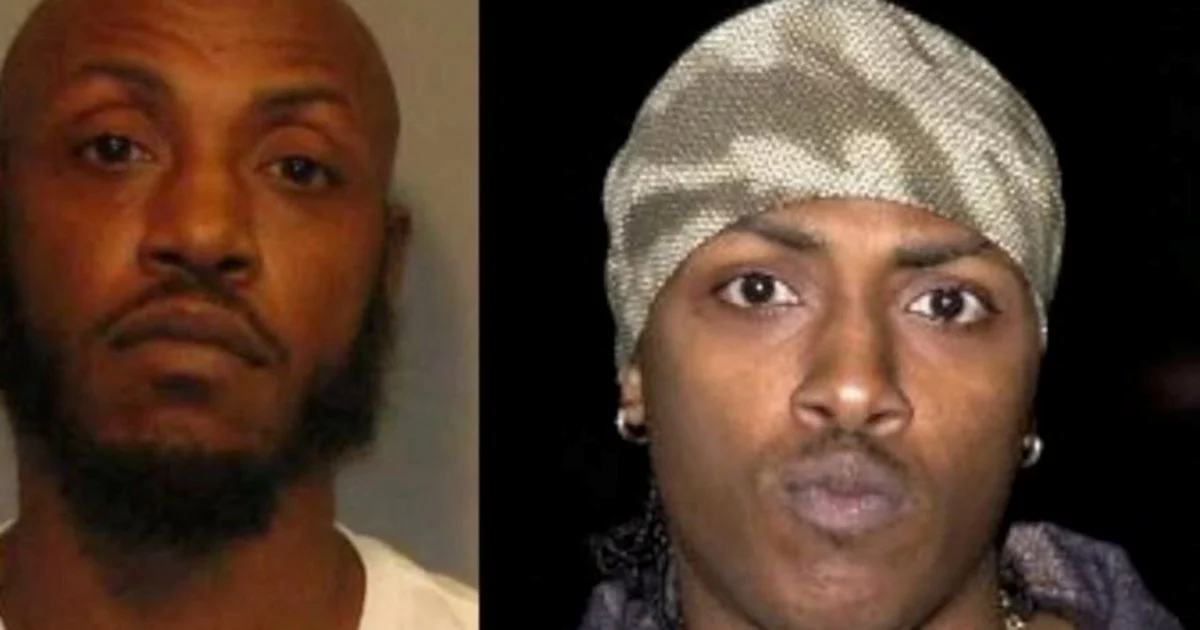
The entertainment industry has been shaken by the conviction of Grammy-nominated rapper Mystikal, who now faces two decades behind bars in Louisiana after accepting responsibility for a third-degree rape charge. The sentencing concludes a legal ordeal that began when authorities apprehended the artist in July 2022, culminating in his guilty plea and the substantial prison term handed down by the court in Baton Rouge.
Mystikal, whose real name is Michael Lawrence Tyler, rose to prominence in the late 1990s and early 2000s as a distinctive figure in hip-hop culture, known for his energetic performances and distinctive vocal style. His career reached significant heights with multiple chart successes and Grammy nominations, establishing him as a recognisable name in mainstream music during his peak years. The conviction represents a severe setback not only for his career but also for his legacy in the entertainment world.
The July 2022 arrest brought multiple serious allegations against the rapper, setting in motion a legal process that would ultimately result in his guilty plea. By accepting responsibility for the third-degree rape charge, Mystikal foregoed a trial and moved directly to sentencing before the Louisiana court system. This decision effectively concluded the legal proceedings while acknowledging the severity of the criminal conduct involved.
The 20-year sentence reflects the gravity with which Louisiana courts treat such offences. Third-degree rape convictions carry substantial penalties under Louisiana law, and the court's determination suggests the circumstances of the case warranted a significant custodial term. The sentencing decision carries implications beyond the individual, highlighting broader conversations about accountability within the entertainment industry.
For the broader music community, particularly within hip-hop circles, this case underscores ongoing discussions about the behaviour and conduct of prominent artists. The genre has faced increasing scrutiny regarding attitudes toward sexual misconduct, with fans, industry professionals, and advocacy groups demanding greater accountability. Mystikal's conviction joins a growing list of high-profile entertainment figures facing justice for serious allegations.
The impact on streaming platforms and radio stations has already begun, with many removing his music from prominent playlists and reducing his visibility in their catalogues. This commercial and cultural ostracism reflects the industry's evolving standards regarding artists with serious criminal convictions. Record labels and promotional partners have similarly distanced themselves from his work.
For Malaysian and Southeast Asian audiences, this case exemplifies the increasing internationalisation of accountability in entertainment. Regional platforms and fans increasingly align themselves with global standards regarding sexual misconduct, rather than maintaining separate ethical frameworks. This convergence has made it difficult for artists convicted of serious crimes to maintain careers, even across different geographic markets.
The legal journey through Louisiana's criminal justice system took approximately two years from arrest to sentencing, reflecting the complexities involved in handling high-profile cases. The timeline also demonstrates how guilty pleas can expedite proceedings while still allowing courts to properly assess circumstances during sentencing hearings. Mystikal's acceptance of guilt likely influenced the court's approach to determining the appropriate penalty.
Looking forward, the rapper faces a lengthy incarceration period that will effectively remove him from public life and the music industry for a substantial duration. At the time of sentencing, questions remain about whether any aspect of his career can be rehabilitated or if this conviction permanently ends his presence in mainstream entertainment. The answer likely depends on evolving public attitudes and industry standards that may shift considerably over a 20-year period.
The case also raises questions about the responsibilities of entertainment companies in scrutinising their artists' conduct before providing platforms and resources. While companies cannot predict behaviour, the industry increasingly faces expectations to respond swiftly when allegations emerge. This conviction will likely influence how record labels, promoters, and streaming services evaluate risk when signing or promoting artists in future.
For victims of sexual assault seeking justice, cases like this carry symbolic weight, demonstrating that high profile and previous commercial success do not shield individuals from prosecution. The willingness to pursue cases involving celebrities sends messages about equality before the law, though it also highlights how access to robust legal representation creates variable outcomes across socioeconomic classes. Mystikal's case adds to an evolving landscape where entertainment industry prominence no longer guarantees protection from consequences.
As the music world processes this development, younger artists face clearer examples of how serious criminal conduct intersects with career viability. The entertainment industry's evolving ethical standards, driven partly by broader social movements, continue reshaping what conduct audiences will tolerate and support, with Mystikal's conviction serving as a notable marker in this ongoing transformation.