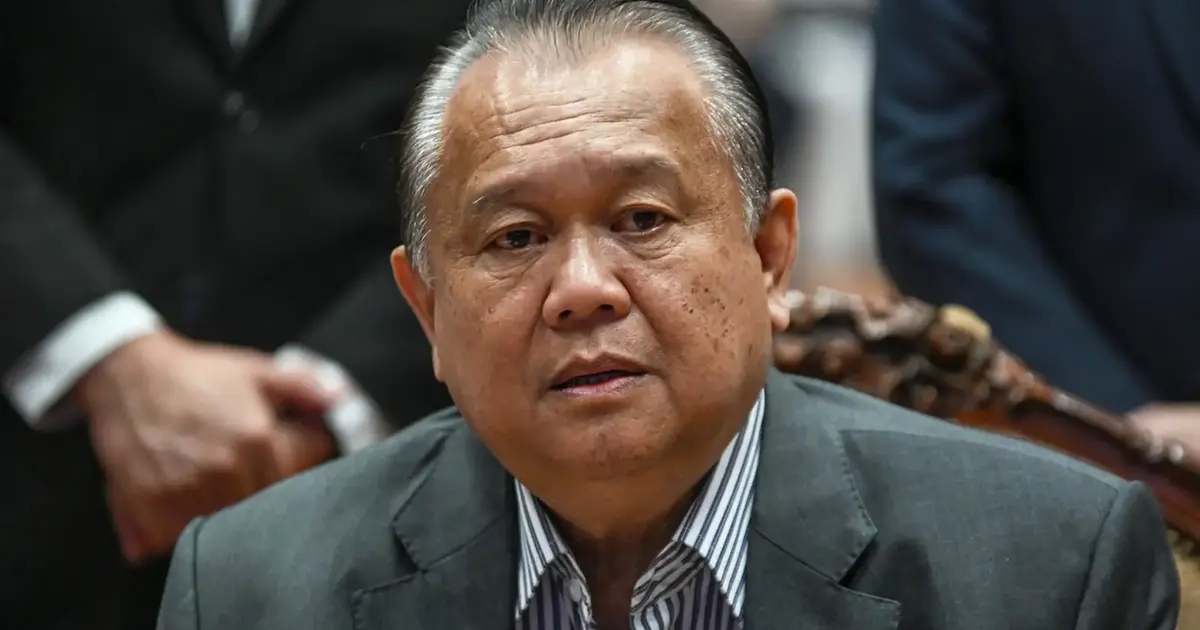
Sarawak's political landscape remains clouded by uncertainty over the intentions of a prominent figure at the helm of one of Malaysia's leading regional parties. The GPS secretary-general has adopted a measured stance on his political future, neither committing to defending his Kapit parliamentary seat nor disclosing whether he intends to redirect his ambitions toward state-level office. This calculated ambiguity, while frustrating for party members and analysts seeking clarity, reflects the complex calculations that senior politicians must navigate in Sarawak's competitive arena.
During recent remarks, the GPS secretary-general indicated that his commitment to public service remains undiminished, asserting that he will continue to be an active force regardless of which electoral platform he ultimately pursues. Such assurances carry significance within party circles, where questions about succession and leadership positioning have intensified following various political realignments across the state. His reluctance to specify his next move suggests either ongoing internal deliberations or a deliberate strategy to preserve political flexibility as circumstances evolve.
The Kapit parliamentary constituency, which the secretary-general currently represents, serves as a crucial electoral barometer for GPS performance in that region. Kapit's political dynamics carry symbolic weight beyond its immediate voter base, as outcomes there frequently signal broader sentiment within the Rajang Valley. Should the secretary-general step aside, GPS would face the task of identifying and grooming a successor capable of retaining the seat against potential challengers. This succession question looms particularly large given the secretary-general's profile and influence within party structures.
State politics in Sarawak presents an alternative avenue for ambitious politicians seeking either consolidated power or a springboard to higher federal positions. The state assembly offers considerable authority over development priorities, resource allocation, and local governance frameworks that shape citizens' daily experiences. A transition from federal to state politics would not necessarily represent a diminishment of status, particularly if the secretary-general secured a prominent portfolio such as finance, infrastructure, or economic development. Recent trends show successful politicians operating across both legislative levels simultaneously or sequentially.
The timing of this strategic non-commitment reflects broader uncertainties affecting Malaysian politics at present. With electoral cycles potentially shifting, coalition compositions remaining fluid, and intra-party dynamics subject to rapid change, senior politicians face pressure to maintain optionality. The secretary-general's stance allows him to monitor developments—whether at party level, state level, or within the federal government—before committing to a specific path that might become untenable or suboptimal within months.
GPS, as a Sarawak-centric party, has historically concentrated its organizational strength and resource allocation within the state. The party's federal ministerial positions and parliamentary representation serve primarily to amplify Sarawak's interests at the national level rather than as stepping stones to national leadership. Understanding this dynamic is crucial when evaluating why a secretary-general might consider state politics a viable or even preferable option. Sarawak politics, despite its smaller voter population compared to Peninsular Malaysia, offers genuine autonomy and decision-making authority that federal positions cannot replicate.
The secretary-general's emphasis on remaining active and engaged, irrespective of institutional setting, carries a reassuring message for party grassroots nervous about potential leadership vacuum. Organizational continuity and sustained guidance from experienced figures matter considerably for party cohesion, particularly in regional formations where personal relationships and reputational networks carry outsized influence compared to institutional bureaucracy. His pledge of continued involvement preserves these relationships while maintaining political influence behind whatever public position he eventually occupies.
For Malaysian political observers, particularly those tracking Sarawak's shifting power equations, the secretary-general's non-answer invites scrutiny of various signals and indicators. Recent committee appointments, engagement patterns at party events, consultation frequency with state government leadership, and interactions with potential rivals all become subject to interpretation. Political analysts must parse ambiguous public statements alongside observable behavior to forecast likely outcomes. This interpretive exercise reflects the reality that Malaysian politics, while increasingly transparent in some respects, continues to feature strategic opacity at elite levels.
The broader implications for GPS remain significant. A secretary-general who abandons federal politics for state assembly roles might signal the party's deepening consolidation around Sarawak state matters, potentially conceding greater influence in Peninsula-level politics to better-resourced entities. Alternatively, such a move could represent personal calculation rather than party-level strategy, with the individual weighing personal governance opportunities against the prestige of federal appointment. Either interpretation shapes how analysts assess GPS's trajectory within Malaysia's political architecture.
Sector observers note that clarity will eventually emerge through actions rather than statements. Whether the secretary-general formally announces his intentions or allows his decision to become apparent through candidacy announcements in coming months, his choice will reverberate through GPS ranks and influence broader Sarawak political alignments. Until such clarification arrives, the deliberate vagueness surrounding his future serves political purposes by maintaining maximum flexibility while demonstrating commitment to active service—a careful balancing act characteristic of successful regional political operators navigating complex constituencies and uncertain terrain.