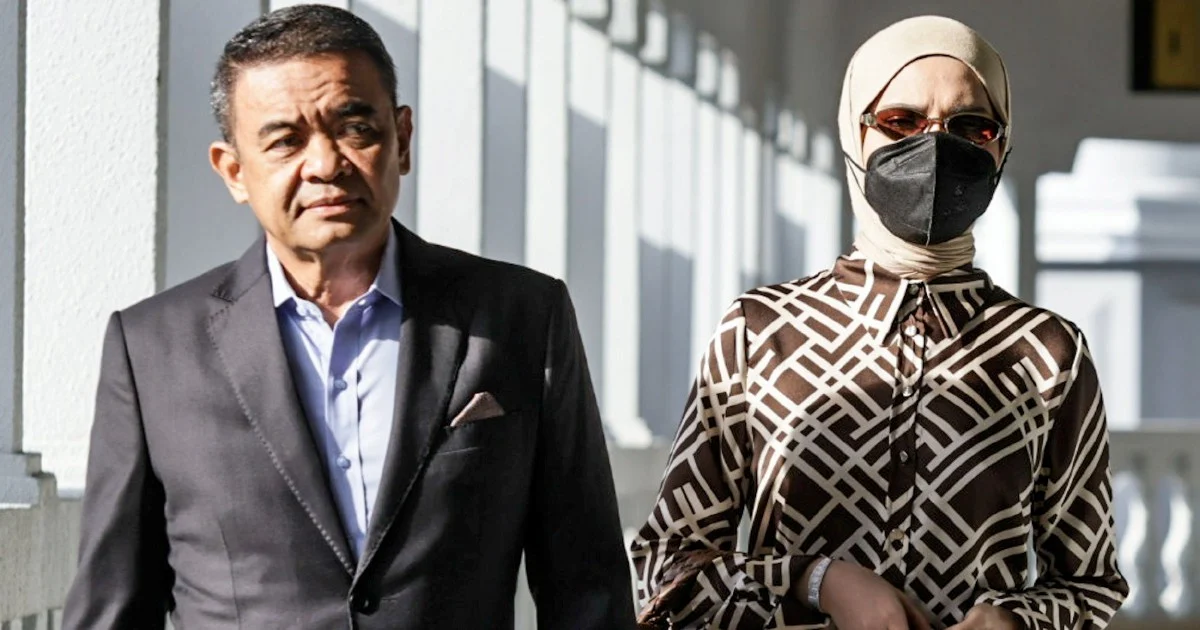
A significant enforcement action by Malaysia's corruption watchdog has resulted in the forfeiture of substantial luxury assets to the state. The Malaysian Anti-Corruption Commission (MACC) secured government ownership of 23 Rolex timepieces and 15 jewellery items that had been seized from the sister-in-law of General (Rtd) Tan Sri Muhammad Hafizuddeain Jantan, the former chief of Malaysia's armed forces. The decision represents a notable victory in asset recovery efforts aimed at addressing illicit wealth accumulation.
Forfeiture proceedings such as this form a critical component of Malaysia's anti-corruption enforcement architecture. Unlike criminal convictions which require proof of guilt beyond reasonable doubt, civil forfeiture laws enable authorities to recover assets where there exists reasonable suspicion that items originated from corrupt or illegal activities. The MACC's success in this case underscores the growing sophistication of asset-tracing mechanisms within the country's law enforcement apparatus, particularly following institutional reforms implemented over the past decade.
The collection of high-end watches and precious items suggests a pattern of substantial discretionary spending that investigators believe warrants scrutiny. Rolex watches, particularly vintage and limited-edition models, have become recognized markers of unexplained wealth in corruption investigations across Southeast Asia. The concentration of such expensive timepieces—23 units represents an extraordinary personal collection—raises pertinent questions about the source of funds and financial transparency within connected circles.
The involvement of a retired military chief's immediate family underscores how asset recovery operations extend beyond individuals directly holding public office. In Malaysia's regulatory framework, the relatives and associates of senior officials frequently come under investigative review, particularly when their lifestyles appear incongruent with documented legitimate income sources. This broader net of accountability reflects international best practices in anti-corruption work and demonstrates recognition that corrupt benefits often flow to dependents rather than remaining under an official's personal name.
Forfeiture outcomes carry particular significance within Malaysia's current political and institutional landscape. The country has experienced substantial shifts in anti-corruption prioritization and investigative intensity over recent years. Successful asset recoveries—especially those involving prominent figures or their families—generate public confidence in institutional independence and substantiate claims that accountability mechanisms function across hierarchical boundaries. Each concluded case contributes to deterrent effects within military and government circles.
The military context deserves particular attention given Malaysia's constitutional framework. Defence forces maintain distinct administrative structures and internal discipline systems, creating complex jurisdictional questions when military-connected individuals face MACC investigations. The successful completion of forfeiture procedures against a retired general's family member indicates effective inter-agency cooperation and clarifies that asset recovery procedures apply uniformly regardless of military affiliation or rank.
From an asset recovery perspective, the forfeiture represents financial resources redirected toward public coffers. In Malaysia's development priorities, recovered corrupt assets theoretically support infrastructure investment, education, and healthcare initiatives. However, the practical reallocation of seized luxury goods often proves administratively complex, with authorities choosing between public auction, integration into government inventories, or destruction depending on asset characteristics and market conditions.
The case also illustrates evolving international standards in beneficial ownership transparency and family-connected wealth accountability. Southeast Asian anti-corruption frameworks increasingly recognize that sophisticated officials distribute holdings among trusted relatives to obscure true asset ownership patterns. Malaysia's regulatory development in this arena reflects both domestic reform agendas and engagement with international financial transparency initiatives that emphasize family-level asset reporting.
Looking forward, this enforcement action establishes precedent within Malaysia's jurisprudence governing asset forfeiture from military-connected individuals. As the country continues calibrating its anti-corruption institutional responses, successful cases involving retired senior officers signal institutional capacity to operate without fear or favor. The relative prominence of General (Rtd) Tan Sri Muhammad Hafizuddeain Jantan as former armed forces chief means that the Commission's actions carry symbolic weight extending beyond the immediate financial recovery.
Such asset recovery operations require sustained institutional commitment and specialized investigative expertise. The MACC's successful prosecution of this forfeiture case demonstrates accumulated capability in tracing financial flows, identifying concealed assets, and navigating civil procedures distinct from traditional criminal prosecution. These competencies, developed progressively across multiple investigations, strengthen Malaysia's capacity to confront systemic corruption patterns involving structured wealth concealment strategies.

