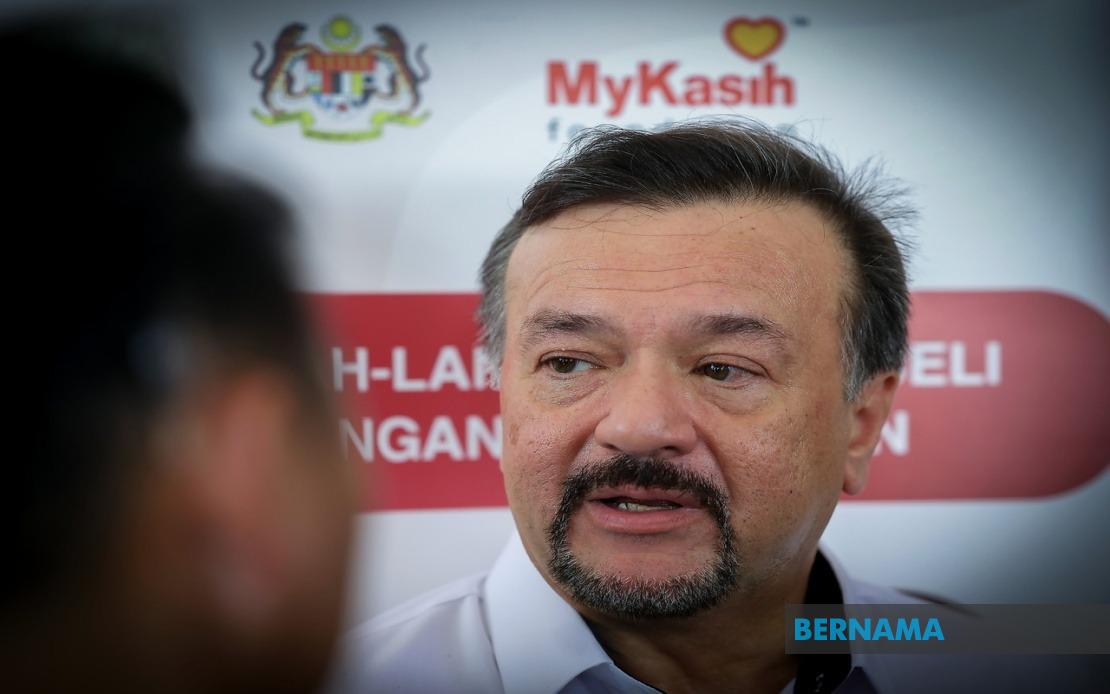
The Malaysian government has adopted a receptive stance towards proposals aimed at enhancing the BUDI MADANI Diesel subsidy scheme, according to Finance Minister II Datuk Seri Amir Hamzah Azizan. Speaking in Kuching on June 24, he outlined a data-driven approach to programme management, emphasising that any adjustments—including potential quota increases—would be anchored in documented usage trends rather than speculative demand projections.
This measured approach reflects lessons learned from the initial rollout of the RON95 fuel subsidy initiative. When that programme began, stakeholders raised concerns that consumption ceilings would prove restrictive. However, statistical evidence gathered over the first five months of 2024 demonstrated that concerns were largely unfounded: only 0.76 per cent of participants exceeded the 200-litre threshold, indicating that established limits were adequate for the vast majority of users.
Amir Hamzah stressed that premature restructuring of subsidy parameters risks undermining programme integrity and creating moral hazard. By allowing sufficient time for the system to stabilise and generate reliable consumption data, policymakers can distinguish between genuine operational bottlenecks and isolated cases of excess usage. This deliberative approach protects both fiscal discipline and the scheme's long-term credibility, particularly important given Malaysia's commitment to managing subsidy expenditure more efficiently.
The government's flexibility extends beyond theoretical openness. Previous targeted subsidy initiatives—notably the fuel voucher scheme for e-hailing operators—demonstrate that the Ministry of Finance has consistently implemented adjustments when empirical evidence justified intervention. When e-hailing companies reported insufficient quotas during the initial phase, the ministry conducted detailed reviews of fuel consumption records maintained by participating firms.
These investigations revealed differentiated usage patterns among drivers, prompting a restructured approach that now offers two quota tiers: 600 litres and 800 litres monthly. Drivers with demonstrably higher fuel consumption can graduate to the elevated threshold, ensuring that subsidy allocation aligns with actual occupational requirements rather than imposing arbitrary ceilings that disadvantage intensive commercial users.
The BUDI Diesel programme represents a significant evolution in Malaysia's subsidy architecture, shifting from universal fuel price controls to targeted benefits directed at specific user categories. This transition acknowledges the fiscal unsustainability of blanket subsidies while attempting to protect vulnerable populations and essential service sectors from sudden price shocks. The programme's success depends on calibrating quotas and eligibility criteria to match real economic behaviour rather than theoretical consumption models.
Amir Hamzah's remarks, delivered alongside Works Minister Datuk Seri Alexander Nanta Linggi during a media briefing on targeted diesel subsidy reforms, indicate that the government views the initial phase as a pilot period rather than a permanent arrangement. This mentality encourages continuous refinement and responsiveness to emerging operational challenges. As economic conditions and fuel consumption patterns evolve—particularly given Malaysia's transportation sector dynamics and inflationary pressures—the framework must retain sufficient flexibility to accommodate legitimate adjustments.
The emphasis on data-driven decision-making also counters persistent criticism that subsidy policy relies excessively on political calculation rather than economic rigour. By committing publicly to evidence-based reviews, the Finance Ministry signals institutional discipline and rational resource allocation. This approach builds credibility with international observers and domestic stakeholders alike, demonstrating that Malaysia's fiscal consolidation efforts rest on sustainable foundations.
For businesses and individuals relying on diesel subsidies—including transport operators, agricultural producers, and small-scale manufacturers—this policy stance offers some reassurance. Participants can appeal for quota adjustments grounded in documented usage, rather than facing immutable allocations divorced from operational realities. However, Amir Hamzah's careful framing also cautions against unrealistic expectations: quota increases will not be automatic or reflexive, but contingent on compelling evidence of insufficient provisions.
The broader regional context underscores the importance of Malaysia's subsidy modernisation. Across Southeast Asia, fuel subsidy reform remains economically imperative yet politically delicate, as governments balance inflation concerns against public welfare expectations. Malaysia's pragmatic approach—permitting adjustments while maintaining fiscal discipline—offers a potential model for other nations navigating similar pressures, particularly if the BUDI Diesel programme demonstrates that targeted subsidies can function effectively with modest administrative overhead.
Moving forward, the programme's effectiveness will be measured against multiple metrics: the percentage of beneficiaries whose quotas require adjustment, the programme's operational costs, and broader macroeconomic indicators including inflation and fiscal sustainability. Early data suggesting low quota exceedance rates is encouraging, but extended observation periods will be necessary to identify seasonal variations, sectoral differences, and evolving consumption patterns that might necessitate recalibration.
The government's openness to refinement, while appearing modest, represents a substantive commitment to pragmatic governance. By eschewing rigid ideological adherence to initial programme parameters and instead grounding policy evolution in empirical evidence, Malaysia positions itself to maintain subsidy schemes that are both fiscally responsible and socially protective—a challenging equilibrium that demands continuous reassessment and willingness to adapt.

